How to Master Culinary Techniques: Your Essential Guide to Delicious Home Cooking
Transform your kitchen skills and consistently create delicious meals with this essential guide to culinary techniques. Discover foundational principles, master knife skills, understand core cooking methods, and learn to elevate flavors like a professional chef.

Do you find your home-cooked meals lacking that restaurant-quality touch, or struggle with inconsistent results despite following recipes? Many aspiring home chefs face frustration when their dishes don't live up to expectations. This comprehensive guide will equip you with the fundamental culinary techniques and advanced insights needed to transform your cooking, enabling you to consistently create delicious, confident, and satisfying meals every time you step into the kitchen.
I. Understanding Foundational Cooking Principles
Before diving into specific dishes, mastering the core principles of cooking will empower you to understand why certain steps are taken and how to adapt recipes effectively. These foundational elements are the bedrock of all great culinary endeavors.
A. Mise en Place: The Art of Preparation
“Mise en place” is a French culinary term meaning “everything in its place.” It refers to the practice of organizing and preparing all your ingredients and tools before you begin cooking. This includes washing, chopping, measuring, and having all necessary pots, pans, and utensils within reach. Implementing mise en place dramatically reduces stress, prevents errors, and ensures a smooth cooking process, allowing you to focus on the actual cooking steps without interruption.
The key to efficient cooking is preparation. A well-executed mise en place saves time, reduces mistakes, and makes cooking a more enjoyable experience.
B. Heat Management: Mastering Your Stove and Oven
Understanding and controlling heat is arguably the most critical skill in cooking. Different ingredients require different heat levels to cook properly, achieve desired textures, and develop flavors. You must learn to distinguish between low, medium, and high heat on your stovetop, and how your oven's temperature settings impact baking and roasting. High heat is excellent for searing and browning, while low heat is ideal for simmering and gentle cooking. Always preheat your pans and ovens to the correct temperature to ensure even cooking and prevent food from sticking.
C. Seasoning: Balancing Flavors for Perfection
Seasoning is more than just adding salt and pepper; it's about balancing and enhancing the natural flavors of your ingredients. Salt is fundamental, bringing out the inherent taste of food. Acid (lemon juice, vinegar) brightens flavors and cuts through richness. Fat carries flavor and adds richness, while sugar can balance bitterness or acidity. Taste your food at multiple stages of cooking and adjust seasonings as needed. Remember, you can always add more, but you cannot easily remove it.
II. Essential Knife Skills: Your Most Important Tool
A sharp knife and proper technique are paramount for efficiency, safety, and consistent results in the kitchen. Mastering knife skills will not only speed up your prep time but also make cooking much more enjoyable.
A. Choosing the Right Knife
While a vast array of knives exists, a few essential ones will cover most of your needs. A chef's knife (8-10 inches) is your workhorse for chopping, slicing, and dicing. A paring knife (3-4 inches) is excellent for delicate tasks like peeling and trimming. A serrated knife is indispensable for slicing bread, tomatoes, and anything with a tough exterior and soft interior. Invest in good quality knives and maintain their sharpness regularly.
B. Proper Grip and Cutting Techniques (Chopping, Dicing, Mincing)
The correct grip provides control and reduces fatigue. Hold the chef's knife with your dominant hand, gripping the handle close to the blade, with your thumb on one side and your index finger on the other, pinching the blade. Use your non-dominant hand to form a "claw" grip, curling your fingertips inward to protect them while guiding the food. Practice basic cuts like chopping (rough, irregular pieces), dicing (uniform cubes), and mincing (very fine pieces) to achieve consistent cooking and presentation.
C. Safety First: Preventing Accidents in the Kitchen
Kitchen safety, especially with knives, is non-negotiable. Always use a sharp knife; dull knives require more force and are more prone to slipping. Cut on a stable surface, preferably a non-slip cutting board. Always cut away from your body. When carrying a knife, hold it point down, blade facing backward, close to your side. If a knife falls, step back and let it drop. Never try to catch a falling knife.
III. Core Cooking Methods: Building Blocks of Flavor
Understanding various cooking methods allows you to choose the best approach for different ingredients and desired outcomes. These methods are broadly categorized by how heat is transferred to the food.
A. Dry Heat Methods: Searing, Roasting, Baking, Grilling
Searing: Uses high heat, typically in a pan with a small amount of fat, to create a flavorful brown crust (Maillard reaction) on the surface of food, locking in juices.
Roasting: Cooks food with dry heat, usually in an oven, allowing for browning and caramelization on the exterior while cooking evenly through the interior. Ideal for larger cuts of meat and vegetables.
Baking: Similar to roasting but often at lower temperatures and typically for items like bread, cakes, and casseroles where a delicate crust and even cooking are desired.
Grilling: Cooks food over direct, radiant heat from below, imparting smoky flavors and distinct char marks. Excellent for tender cuts of meat, poultry, fish, and vegetables.
B. Moist Heat Methods: Boiling, Simmering, Steaming, Braising
Boiling: Cooks food rapidly in vigorously bubbling liquid at 212°F (100°C). Best for pasta, some vegetables, and blanching.
Simmering: Cooks food gently in liquid just below boiling point, with small bubbles breaking the surface. Ideal for soups, stews, and developing tender textures over time.
Steaming: Cooks food by exposing it to hot steam, often in a steamer basket over simmering water. This method retains nutrients, color, and texture, making it excellent for vegetables and delicate fish.
Braising: A two-step method involving searing food first to develop flavor, then slowly cooking it in a small amount of liquid in a covered pot. Perfect for tougher cuts of meat, resulting in incredibly tender, flavorful dishes.
C. Combination Methods: Stewing and Poaching
Stewing: Similar to braising, but typically involves smaller, uniformly cut pieces of food that are seared and then cooked submerged in liquid.
Poaching: Cooks delicate foods (like eggs, fish, or fruit) gently in liquid (water, broth, wine) that is just barely simmering, preventing toughness and preserving moisture.
IV. Mastering Common Ingredients and Their Transformations
Great cooking often comes down to understanding the nature of your ingredients and how to best prepare them to unlock their full potential.
A. Vegetables: From Raw to Radiant
Vegetables offer a spectrum of textures and flavors depending on how they are prepared. Learning to blanch (briefly boil then shock in ice water) preserves color and slightly softens, roasting brings out sweetness and caramelization, while sautéing offers quick cooking and vibrant flavors. Experiment with different cooking times and methods to discover how each vegetable transforms.
B. Proteins: Understanding Different Cuts and Cooking Times (Poultry, Meat, Fish)
Proteins are the centerpiece of many meals, and their proper preparation is crucial. You must learn internal temperatures for doneness (e.g., chicken to 165°F/74°C), understand how different cuts of meat require different cooking methods (e.g., tough cuts for braising, tender cuts for grilling), and recognize the delicate nature of fish, which cooks quickly and can easily dry out if overcooked.
C. Grains and Legumes: Perfecting Texture and Flavor
Often overlooked, perfectly cooked grains and legumes can elevate any meal. The key lies in correct water-to-grain ratios, proper rinsing, and understanding cooking times. For instance, rice requires precise liquid absorption, while dried beans often benefit from soaking to reduce cooking time and improve digestibility. Seasoning these staples appropriately can transform them from bland side dishes to flavorful components.
V. Beyond the Basics: Elevating Your Cooking
Once you’ve mastered the fundamentals, these advanced techniques will help you add depth, complexity, and a professional touch to your dishes.
A. Emulsification: Creating Smooth Sauces and Dressings
An emulsion is a stable mixture of two liquids that don’t typically mix, like oil and water. Mastering emulsification allows you to create silky smooth vinaigrettes, creamy mayonnaise, and rich hollandaise sauces. The key is to slowly incorporate one liquid into the other while whisking continuously, allowing tiny droplets to disperse evenly and stay suspended.
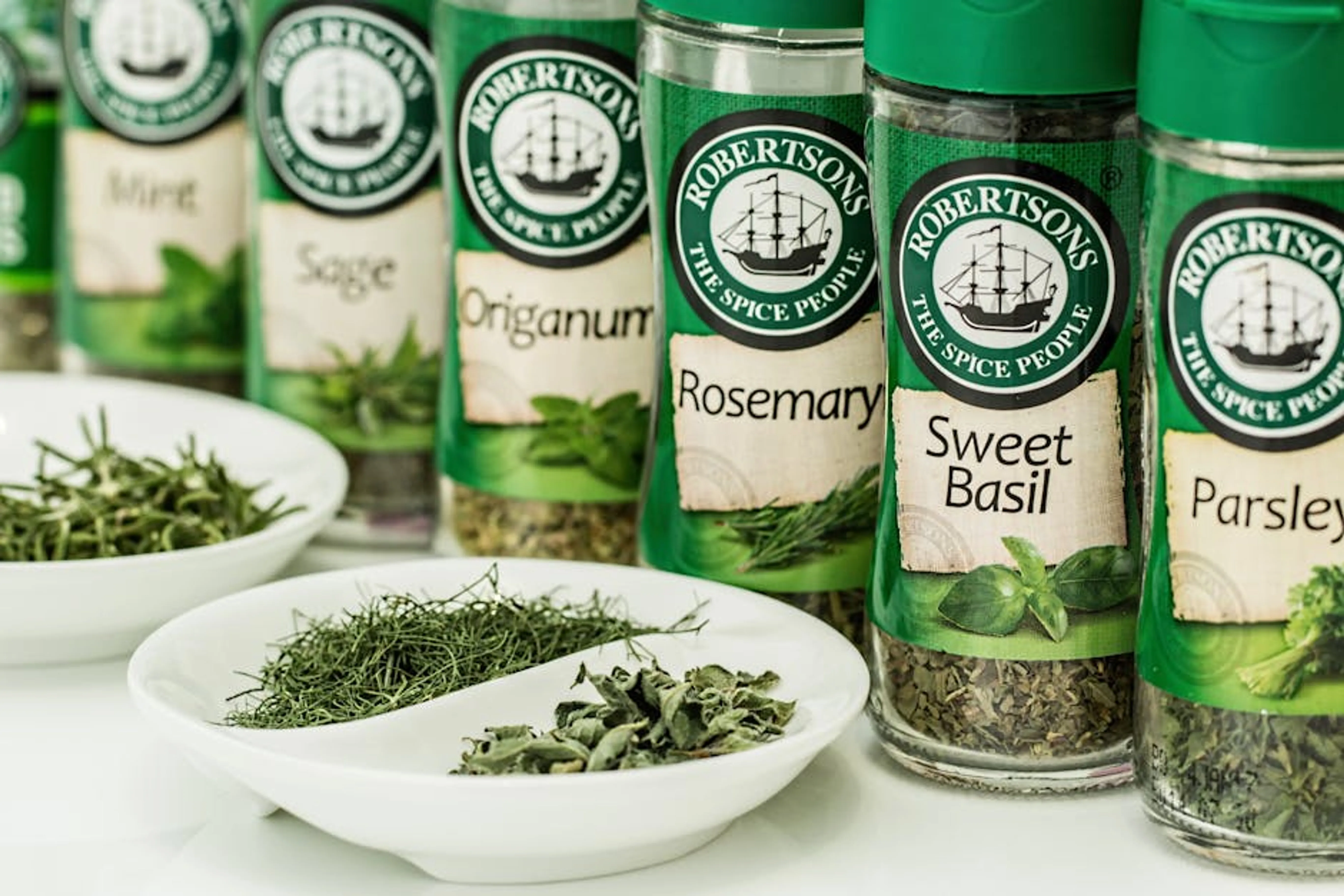
B. Flavor Building: Using Aromatics, Herbs, and Spices Effectively
Layering flavors is essential for complex and delicious dishes. Aromatics like onions, garlic, celery, and carrots (the "mirepoix") form the base of many savory dishes. Herbs, both fresh and dried, add freshness or earthy notes. Spices offer warmth, heat, and exotic flavors. Learn when to add each to maximize their impact – aromatics often at the beginning, delicate herbs at the end, and toasted spices to release their full aroma.
C. Understanding Acidity: Brightening and Balancing Dishes
Acidity is a critical component for balancing flavors. A squeeze of lemon juice, a splash of vinegar, or the addition of tomatoes can cut through richness, lighten heavy dishes, and enhance other flavors. It provides a bright counterpoint, preventing dishes from tasting flat or one-dimensional. Learn to use acidity judiciously to lift and complete your culinary creations.
VI. Culinary Techniques Comparison
To further solidify your understanding, here is a comparison of common cooking methods, highlighting their characteristics and best applications.
Method TypeCooking MethodTypical IngredientsResulting Texture/FlavorBest Use CasesDry HeatSearingSteaks, fish fillets, chicken breasts, scallopsCrisp, browned exterior; juicy interior; rich, savory flavorQuick-cooking proteins; building flavor baseDry HeatRoastingWhole chickens, root vegetables, large cuts of meatTender interior, caramelized exterior; deep, concentrated flavorsFamily meals, meal prep, developing sweetness in vegetablesMoist HeatSimmeringSoups, stews, sauces, legumes, tougher cuts of meatTender, moist; flavors meld and deepenComfort food, slow cooking, breaking down connective tissueMoist HeatSteamingVegetables, fish, dumplingsTender-crisp, vibrant color, light texture; retains nutrientsHealthy cooking, delicate ingredients, preserving freshnessCombinationBraisingPot roasts, short ribs, osso buco, tough poultryFall-apart tender, rich sauce; deeply savory and complexHearty meals, transforming inexpensive cuts of meat
VII. Frequently Asked Questions (FAQ)
A. What are the most common mistakes beginners make in cooking?
Beginners often make several common mistakes, including not preheating pans sufficiently, overcrowding the pan (which leads to steaming instead of searing), over-seasoning with salt early on, and not tasting food throughout the cooking process. Rushing through steps and neglecting mise en place are also frequent pitfalls. Patience and attention to detail are crucial.
B. How can I improve my palate to better identify flavors?
Improving your palate involves conscious tasting and experimentation. Pay attention to individual ingredients and how they contribute to a dish. Taste frequently while cooking, identifying saltiness, sweetness, sourness, bitterness, and umami. Try to dissect restaurant dishes, noting different spices and herbs. Cook the same ingredient using different methods to understand how its flavor changes. Regularly exploring new foods and cuisines will also broaden your flavor recognition.
C. What are some budget-friendly techniques to make simple ingredients taste gourmet?
Elevating simple ingredients on a budget is entirely achievable. Start with proper seasoning – salt, pepper, and a touch of acid (lemon or vinegar) can transform almost anything. Mastering techniques like searing to develop a rich crust, roasting vegetables to bring out their natural sweetness, and making simple pan sauces from drippings can add immense flavor without expensive ingredients. Utilizing aromatics like garlic and onions as flavor bases and incorporating fresh herbs can also make a significant difference. Don't underestimate the power of a well-made vinaigrette or a sprinkle of toasted nuts or seeds for texture and flavor.
Conclusion
Mastering culinary techniques is a journey, not a destination. By understanding foundational principles like mise en place and heat management, honing your knife skills, and becoming proficient in core cooking methods, you gain the confidence to tackle any recipe. Moving beyond the basics to emulsification, flavor building, and acidity allows you to elevate your dishes from good to truly exceptional. Embrace practice, taste frequently, and don't be afraid to experiment. With dedication, you will unlock your full potential in the kitchen and consistently create delicious, memorable meals for yourself and those you share them with.
Content is for information only; Author/Site is not liable for decisions made; Reader is responsible for their own actions.
------end of article------
Related Articles