5 Essential Knife Skills You Need to Master
Elevate your culinary game by mastering the five essential knife skills crucial for any home cook or aspiring chef. From safety protocols to precision cutting and advanced techniques, this guide provides the foundational knowledge to make your time in the kitchen safer, more efficient, and more enjoyable.

Do you struggle with unevenly cut vegetables, slow prep times, or even fear using your kitchen knives? Mastering essential knife skills is not just about speed; it's about safety, precision, and transforming your cooking experience. This comprehensive guide will equip you with the five crucial knife skills you need to conquer any recipe, ensuring consistent results, faster meal preparation, and a safer kitchen environment.
1. Knife Safety: The Foundation of All Skills
Before you can master any cutting technique, you must prioritize knife safety. Proper handling and awareness prevent accidents and build confidence in your abilities.
Holding the Knife Correctly
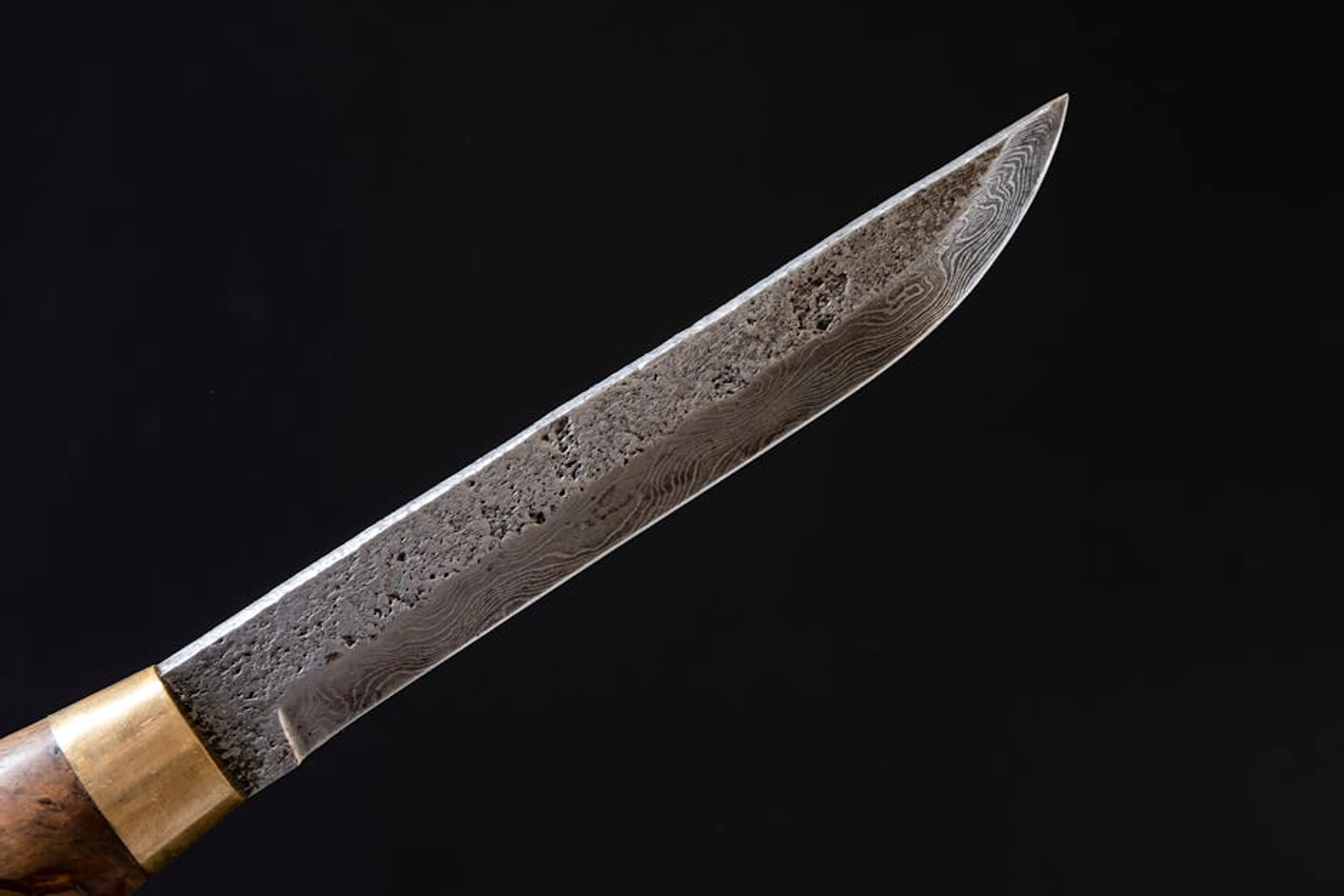
The most fundamental aspect of knife safety and control is the pinch grip. To execute this, you should grip the knife with your dominant hand, pinching the base of the blade (where it meets the handle) between your thumb and the side of your index finger. Wrap your remaining fingers securely around the handle. This grip provides superior control over the blade, allowing for more precise movements and reducing the risk of slippage compared to simply gripping the handle.
The Guiding Hand (Claw Grip)
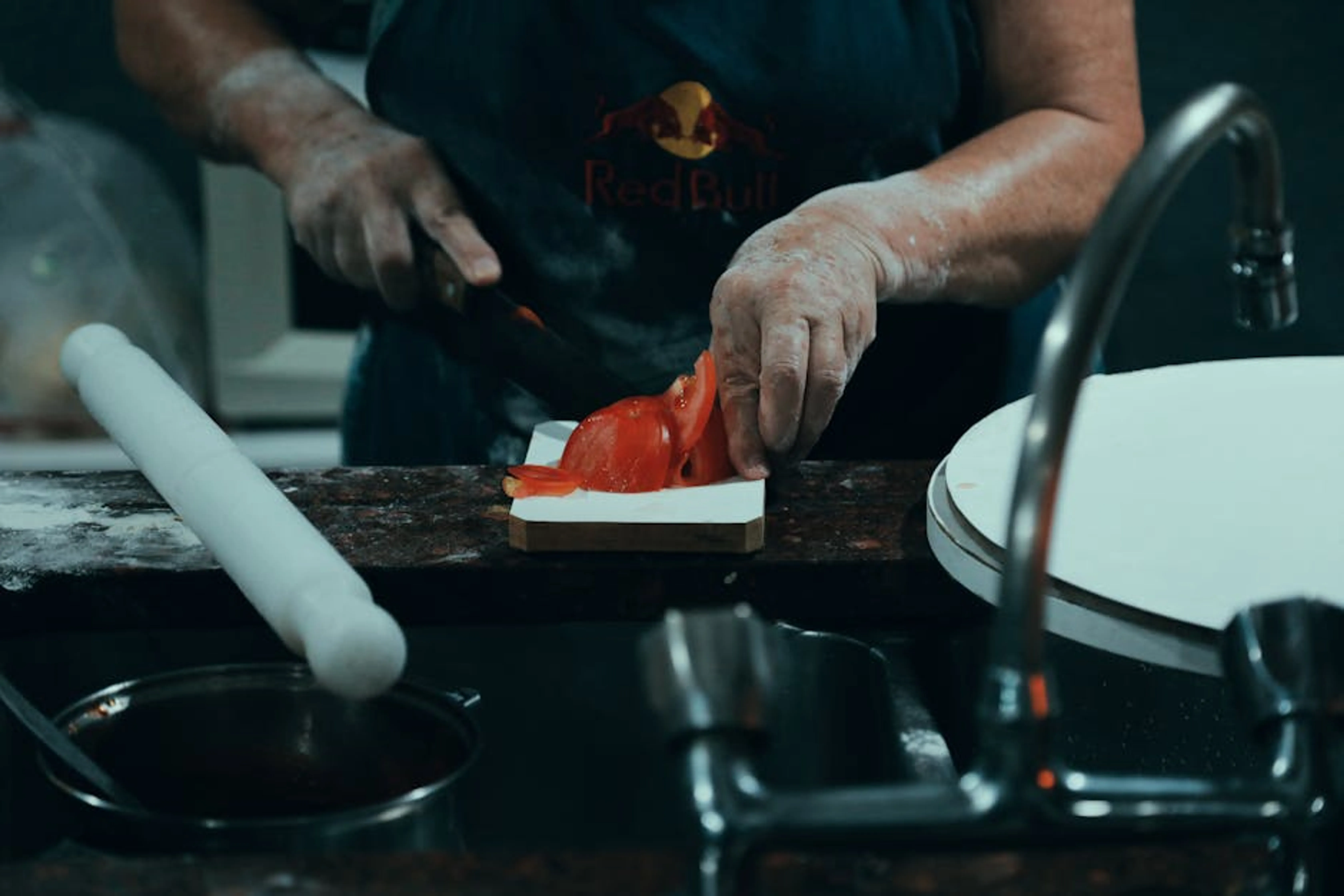
Your non-dominant hand, often referred to as the guiding hand, is equally important. When holding food, curl your fingertips inward, creating a 'claw' shape. Your knuckles should be pressed against the flat side of the blade, acting as a guide and protecting your fingertips from the cutting edge. As you cut, the blade slides against your knuckles, ensuring your fingers remain safely tucked away.
Safe Cutting Practices
Stable Cutting Board: Always place a damp cloth or a non-slip mat underneath your cutting board to prevent it from sliding, which can lead to dangerous mishaps.
Focus and Attention: Always give your full attention to the task at hand. Distractions are a major cause of kitchen injuries.
Handling Dropped Knives: If a knife falls, step back and let it drop. Never try to catch a falling knife, as this is a common cause of severe cuts.
Storing Knives Safely: Store knives in a knife block, on a magnetic strip, or in individual blade guards to protect both the blade and your hands. Never leave them loose in a drawer.
Always treat your knife with respect; it is a tool, not a toy. A sharp knife is safer than a dull one because it requires less force to cut, reducing the chance of slippage.
2. The Basic Cuts: Precision and Efficiency
Once you've mastered safety, you can move on to the fundamental cutting techniques that form the backbone of most recipes. Uniformity in your cuts is crucial for even cooking and appealing presentation.
The Rocking Motion (Chef's Knife)
The rocking motion is essential for finely chopping herbs, mincing garlic, or breaking down smaller vegetables. With your knife tip remaining on the cutting board, you use a fluid, rocking motion, pushing the blade forward and down, then pulling it back and up. Your guiding hand will steady the food and gradually move it under the blade.
The Slicing Motion (Straight Cuts)
For items like carrots, celery, or cucumbers, a straight slicing motion is often employed. You position the blade, push it forward and down through the food, then lift and reposition. The goal here is consistency in thickness, which ensures that all pieces cook at the same rate, preventing some from being overcooked while others remain raw.
Dicing: Achieving Uniform Cubes
Dicing involves transforming ingredients into uniform cubes. For a potato or onion, you would first create a flat, stable surface. Then, make even slices, followed by perpendicular cuts to create sticks (batons), and finally, cut across the sticks to form cubes. Precision in each step leads to perfectly diced ingredients, whether for a soup, stew, or sauté.
Mincing: Fine and Flavorful
Mincing is the process of cutting food into very small, irregular pieces, typically for aromatics like garlic, ginger, or fresh herbs. This technique maximizes the surface area, allowing flavors to be released more readily into your dishes. It often involves a rocking motion with the chef's knife, repeatedly passing over the ingredients until they reach the desired fineness.
3. Advanced Techniques for Speed and Uniformity
As your confidence grows, you can explore more advanced cutting techniques that enhance both the aesthetics and functionality of your cooking.
Julienne: The Art of Matchsticks
The julienne cut produces thin, uniform matchstick-sized pieces, typically 1/8 inch by 1/8 inch by 1-2 inches long. This cut is perfect for stir-fries, salads, or garnishes. To achieve a julienne, you first square off your ingredient, then slice it into thin planks, stack the planks, and finally cut them into thin sticks. Practice is key to maintaining consistency.
Brunoise: Tiny Perfect Cubes
The brunoise cut is essentially a very fine dice, derived directly from the julienne. Once you have julienned your ingredients, you simply gather the matchsticks and cut across them into tiny cubes, typically 1/8 inch by 1/8 inch by 1/8 inch. This cut is often used for delicate garnishes, finely textured sauces, or precise mirepoix.
Chiffonade: Delicate Herb Ribbons
Chiffonade is a technique specifically for leafy greens and herbs, such as basil or spinach. You stack several leaves, roll them tightly into a cigar shape, and then slice across the roll to create thin, delicate ribbons. This method not only looks elegant but also prevents bruising of the herbs, preserving their freshness and flavor.
Paysanne and Tourné: Beyond the Basics
While julienne, brunoise, and chiffonade are highly practical, other advanced cuts like paysanne (thin, square, or round slices) and tourné (barrel-shaped, seven-sided cuts) demonstrate exceptional knife mastery, often seen in classical French cuisine. These cuts require significant practice and are used for specific presentation or cooking needs.
Do not rush the learning process. Focus on precision and control before attempting to increase your speed. Speed will naturally follow as your muscle memory develops.
4. Knife Care and Maintenance: Preserving Your Tool
A well-maintained knife is a joy to use and a safer tool. Proper care extends the life of your knives and ensures they perform optimally.
Cleaning Your Knives Properly
Always hand wash your knives immediately after use with warm, soapy water. Avoid putting them in the dishwasher, as the harsh detergents and high heat can dull the blade, damage the handle, and cause rust or pitting. Dry your knives thoroughly with a clean towel to prevent water spots and corrosion, especially on high-carbon steel blades.
Sharpening vs. Honing
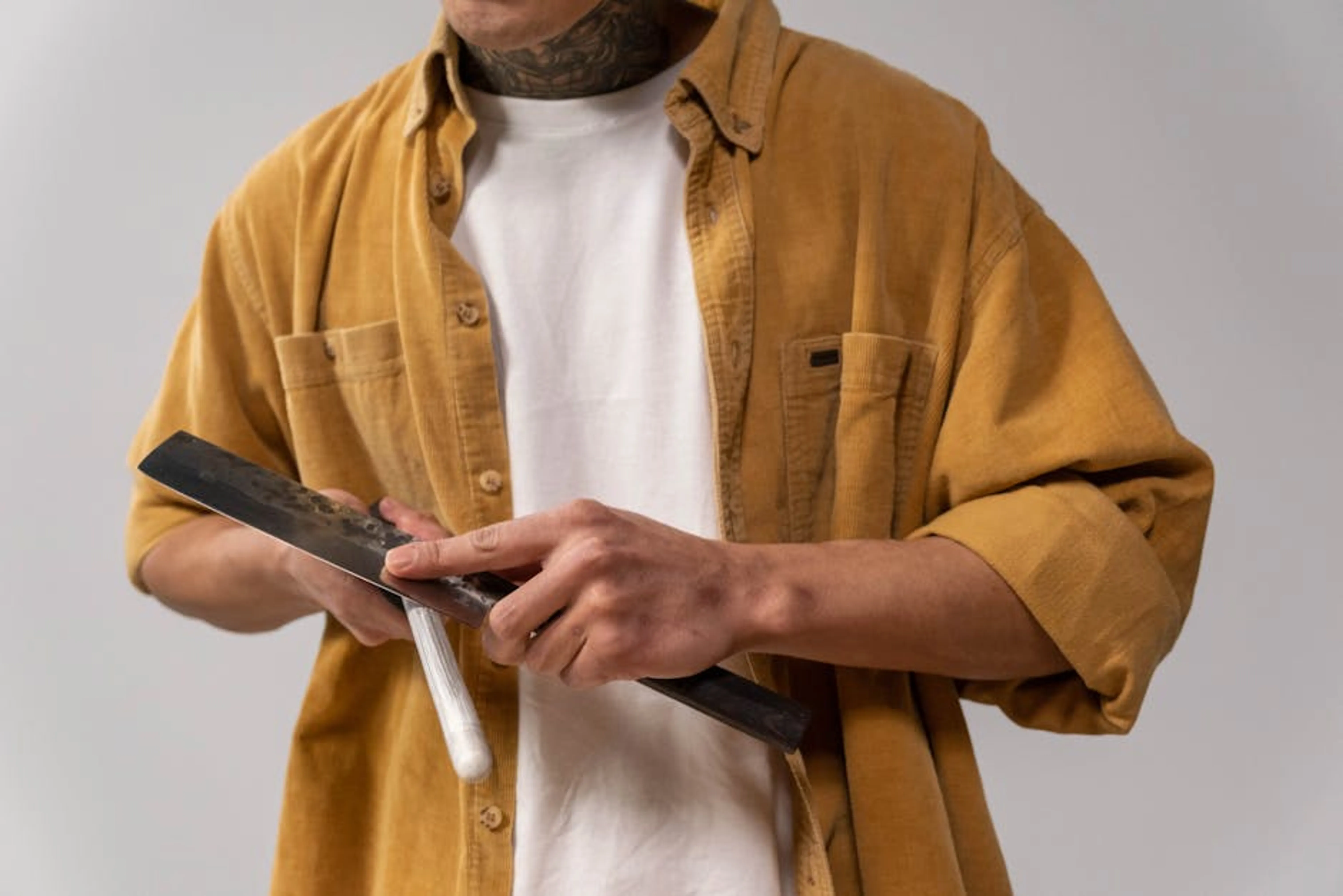
Honing: This is a daily or pre-use activity. A honing steel (or ceramic rod) realigns the microscopic edge of the blade, which bends over time with use. It doesn't remove material but straightens the edge, making the knife feel sharper.
Sharpening: This is done less frequently, perhaps every few months or once a year, depending on use. Sharpening removes a small amount of metal from the blade to create a new, sharper edge. This can be done with a whetstone, pull-through sharpener, or by a professional.
Proper Storage
Storing your knives correctly protects their edges and prevents accidents. Knife blocks, magnetic strips, and individual blade guards are excellent options. Avoid storing knives loose in a drawer where they can bump against other utensils, dulling the edge and potentially causing injury when you reach for them.
5. Putting It All Together: Practice and Application
Mastering knife skills is a journey that requires consistent practice and patience. You won't become an expert overnight, but dedication will yield significant improvements.
Start Simple, Build Gradually
Begin your practice with forgiving ingredients like potatoes, carrots, or onions. These vegetables are inexpensive and provide ample opportunity to refine your grip, guiding hand, and basic cuts. Focus on achieving consistent sizes and shapes before attempting to increase your speed. Repetition is the key to building muscle memory and confidence.
Embrace the Process
View each cutting task as an opportunity to improve. Don't get discouraged if your initial attempts aren't perfect. Every chef, no matter how skilled, started somewhere. The more you practice, the more natural and fluid your movements will become, leading to greater efficiency and less fatigue.
Integrating Skills into Daily Cooking
Consciously apply the skills you've learned to your daily meal preparation. Whether you're dicing an onion for a sauce, julienning vegetables for a stir-fry, or mincing garlic for a marinade, make an effort to use proper technique. Over time, these practices will become second nature, transforming your cooking process and the quality of your dishes.
Comparison of Cutting Techniques
Understanding the purpose and characteristics of different cuts helps you choose the right technique for your recipe.
Cut NameApproximate SizePrimary PurposeDifficulty LevelDice (Small)1/4 inch cubesSoups, stews, sautésMediumMinceVery fine, irregularFlavor release (garlic, herbs)MediumJulienne1/8 x 1/8 x 1-2 inch sticksStir-fries, garnishes, saladsMedium-HighBrunoise1/8 inch cubesFine garnishes, delicate saucesHighChiffonadeThin ribbonsGarnishing leafy herbsMedium
Frequently Asked Questions (FAQ)
What is the most important knife skill to learn first?
Without a doubt, the most important skill to master first is knife safety, specifically the pinch grip and the claw grip for your guiding hand. These foundational techniques ensure you can handle a knife safely and with control, preventing injuries and building confidence for all subsequent cutting skills.
How often should I sharpen my knives?
You should hone your knife with a honing steel frequently, perhaps before every use or every few uses, to realign the blade's edge. True sharpening, which removes material to create a new edge, is needed less often. For home cooks, sharpening every few months to once a year is typically sufficient, depending on how often you cook and the types of ingredients you cut. If your knife struggles to slice a ripe tomato, it's definitely time to sharpen.
Can I use any knife for all tasks?
While a chef's knife is incredibly versatile and can handle a wide range of tasks, it's not ideal for everything. Specialized knives like a paring knife for small, intricate work, a bread knife for crusty loaves, or a slicing knife for roasts are designed for specific purposes and can make those tasks much easier and more efficient. Investing in a few key knives tailored to your most frequent cooking needs can significantly enhance your kitchen experience.
Conclusion
Mastering the five essential knife skills – safety, basic cuts, advanced techniques, knife care, and consistent practice – will fundamentally change your approach to cooking. You'll find yourself working more efficiently, producing more uniformly cooked and visually appealing dishes, and enjoying the process much more. Embrace the journey of learning, be patient with yourself, and soon you'll wield your knife with the confidence and precision of a seasoned chef, making every meal preparation a rewarding experience.
Content is for information only; Author/Site is not liable for decisions made; Reader is responsible for their own actions.
------end of article------
