Your Car Maintenance Guide: Oil & Tire Basics
Regular car maintenance, especially for oil and tires, is crucial for vehicle longevity, safety, and performance. This guide provides essential knowledge and actionable steps to keep your car running smoothly.

Are you looking to extend the life of your vehicle, enhance its safety, and potentially save money on costly repairs? Understanding the fundamental aspects of car maintenance, particularly regarding your engine oil and tires, is not just beneficial—it's essential. This comprehensive guide will equip you with the knowledge and practical tips you need to confidently manage these critical components of your car, ensuring it performs optimally and reliably for years to come.
Why Regular Oil Changes Are Crucial for Your Engine
Your car's engine is a complex system of moving parts, and like any intricate machinery, it requires proper lubrication to function efficiently and prevent damage. Engine oil plays several vital roles beyond just lubrication, acting as the lifeblood of your vehicle's power unit.
The Multifaceted Role of Engine Oil
Lubrication: Oil reduces friction between moving parts, such as pistons, crankshafts, and camshafts. Without adequate lubrication, these metal components would grind against each other, generating immense heat and causing rapid wear and tear, ultimately leading to engine failure.
Cooling: While the cooling system primarily manages engine temperature, engine oil also contributes significantly by absorbing heat from internal engine components and carrying it away as it circulates.
Cleaning: As oil flows through the engine, it picks up dirt, carbon deposits, and metallic particles, preventing them from accumulating and forming sludge. These contaminants are then trapped by the oil filter.
Sealing: Engine oil helps create a seal between the piston rings and cylinder walls, which is crucial for maintaining proper compression and maximizing engine power.
Corrosion Protection: Modern engine oils contain additives that protect internal metal components from rust and corrosion, especially important during periods when the engine is not running.
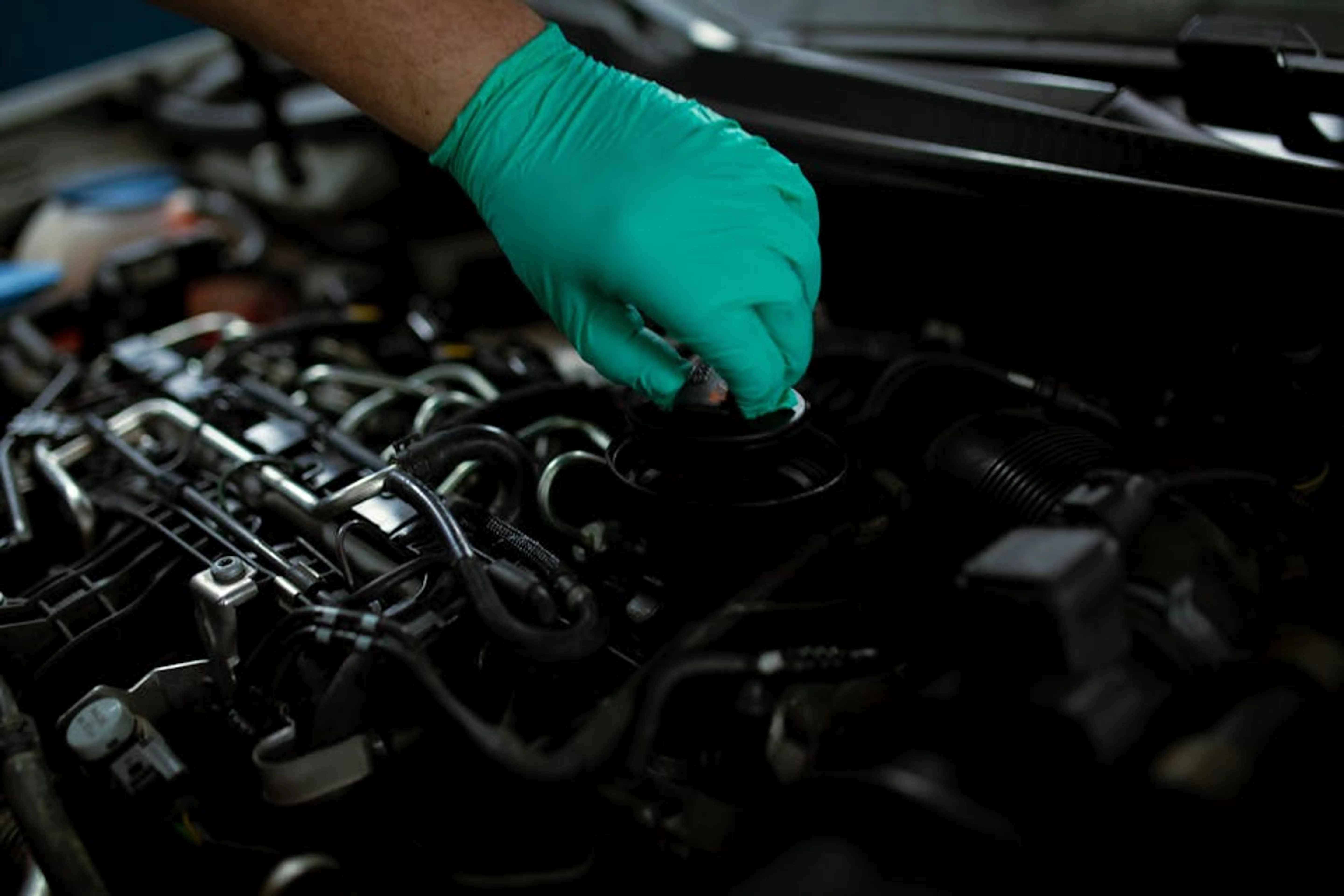
Neglecting regular oil changes can lead to severe consequences. Over time, engine oil breaks down due to heat and contamination, losing its lubricating, cooling, and cleaning properties. This breakdown results in increased friction, sludge buildup, reduced engine efficiency, and ultimately, accelerated wear that can lead to expensive engine repairs or even complete engine replacement. You might notice symptoms like reduced fuel economy, a louder engine, or even the oil pressure warning light illuminating on your dashboard.
Choosing the Right Engine Oil and Understanding Intervals
Not all engine oils are created equal. You will encounter several types, each suited for different engines and driving conditions:
Conventional Oil: Derived from crude oil, it's the most basic type and generally the least expensive. Suitable for older vehicles with simple engine designs and normal driving conditions.
Synthetic Blend Oil: A mix of conventional and synthetic oils, offering better protection against wear and high temperatures than conventional oil, at a more affordable price than full synthetic.
Full Synthetic Oil: Chemically engineered to provide superior lubrication, wear protection, and performance across a wider range of temperatures. It's ideal for high-performance vehicles, extreme driving conditions, and extending oil change intervals.
High-Mileage Oil: Formulated for vehicles with over 75,000 miles, it often contains additives to reduce oil leaks, oil consumption, and sludge buildup.
Your vehicle's owner's manual is the definitive source for recommended oil type and change intervals. While older guidelines often suggested 3,000 miles, many modern vehicles using synthetic oil can go 5,000, 7,500, or even 10,000+ miles between changes. Always refer to your manufacturer's recommendations and consider your driving habits. Frequent short trips, heavy towing, or driving in dusty conditions may warrant more frequent changes.
Understanding Your Tires: More Than Just Round Black Things
Tires are your vehicle's only point of contact with the road, making them paramount for safety, handling, and overall performance. Proper tire maintenance is not just about avoiding flats; it's about ensuring optimal grip, stability, and braking capability.
The Critical Role of Tire Pressure
Maintaining correct tire pressure is arguably the most important aspect of tire care. Your vehicle's manufacturer specifies a recommended pressure, usually found on a sticker inside the driver's side door jamb or in the owner's manual (never rely solely on the maximum pressure listed on the tire's sidewall).
Safety: Properly inflated tires provide maximum contact with the road, crucial for effective steering, braking, and cornering. Under-inflated tires can lead to sluggish handling, increased braking distances, and a higher risk of blowouts due to excessive heat buildup. Over-inflated tires reduce the contact patch, leading to a harsher ride, reduced grip, and uneven wear.
Fuel Economy: Under-inflated tires increase rolling resistance, forcing your engine to work harder and consume more fuel. Maintaining correct pressure can improve your fuel efficiency by up to 3%.
Tire Longevity: Correct pressure ensures even wear across the tire tread. Under-inflation causes wear on the outer edges, while over-inflation causes wear in the center. Both significantly shorten tire life.
You should check your tire pressure at least once a month and before long trips, using a reliable tire pressure gauge. Always check when tires are cold (before driving or after the car has been sitting for several hours).
Tread Depth and Wear Indicators
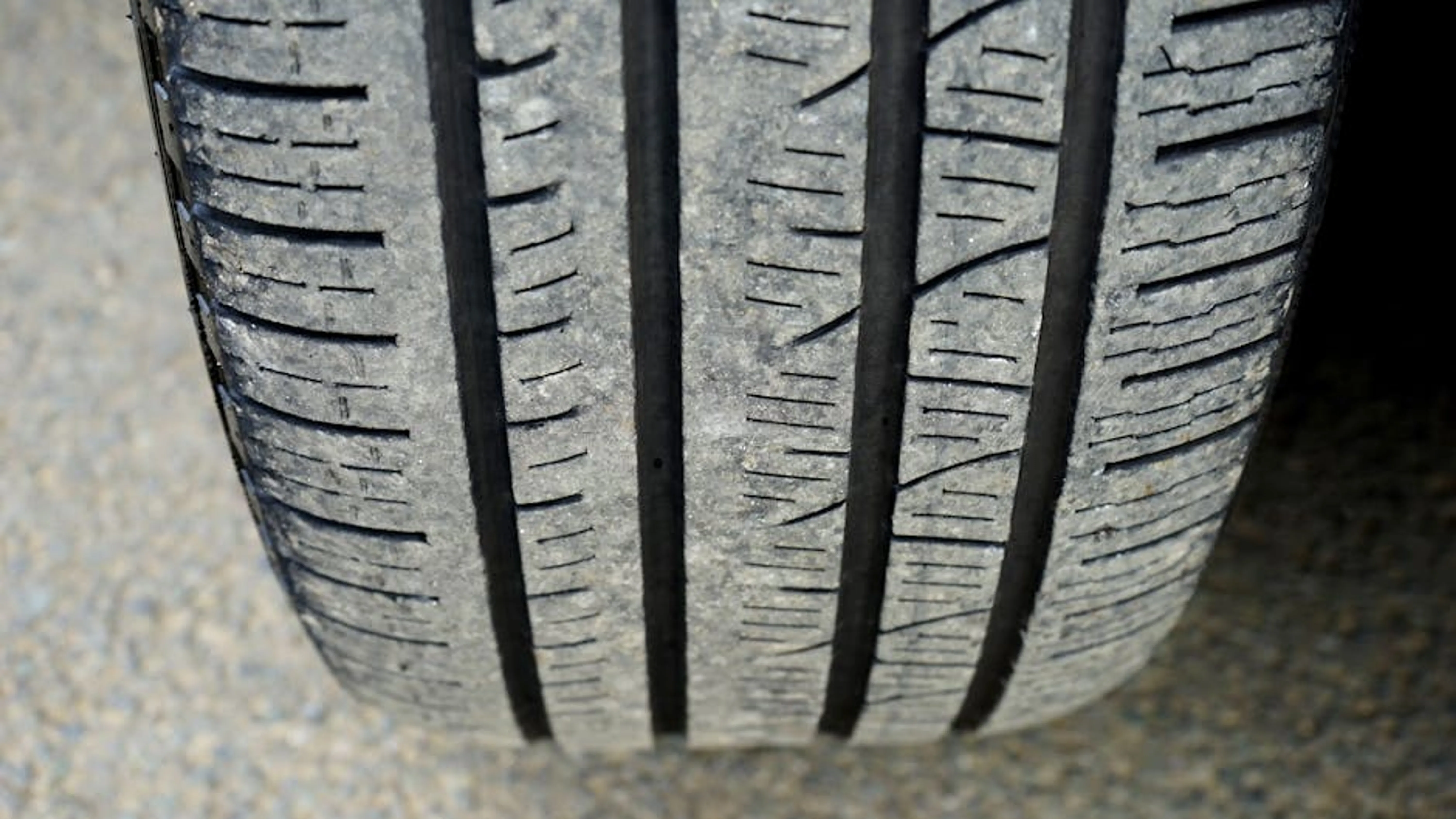
Tire tread is designed to channel water away from the tire, providing grip on wet roads. As tires wear, their ability to perform this function diminishes, increasing the risk of hydroplaning. The legal minimum tread depth in many places is 2/32 of an inch.
You can easily check your tread depth using a penny. Insert a penny into a tread groove with Lincoln's head upside down and facing you. If you can see all of Lincoln's head, your tread is shallow, and it's time for new tires. Many tires also have built-in tread wear indicators—small rubber bars flush with the tread when it's worn to the minimum safe depth.
Tire Rotation and Balancing
Tire Rotation: Regularly rotating your tires (typically every 5,000-7,500 miles, or as recommended by your manufacturer) helps ensure even wear across all four tires, as front and rear tires, and drive vs. non-drive wheels, wear differently. This extends their lifespan and maintains consistent handling.
Tire Balancing: Tires can become unbalanced over time, leading to vibrations at certain speeds, uneven wear, and accelerated wear of suspension components. Balancing ensures the weight is evenly distributed around the tire and wheel assembly. It's typically done when new tires are installed or if you notice vibrations.
Comparing Tire Types
Tire TypeBest ForKey CharacteristicsProsConsAll-SeasonModerate climates, year-round useVersatile tread, decent grip in light snow/rainConvenience, good all-rounderCompromised performance in extreme conditionsSummerWarm, dry, and wet conditions (above 45°F)Aggressive tread, specialized rubber compoundSuperior grip, handling, and braking in warm weatherPoor performance in cold or snowy conditionsWinter/SnowCold temperatures, snow, and ice (below 45°F)Deep, aggressive tread, siping, soft rubber compoundExcellent grip and braking in winter conditionsWears quickly in warm weather, noisyPerformanceSporty driving, high speedsStiff sidewalls, specialized compounds, low profileExceptional handling, cornering, and brakingHarsher ride, shorter lifespan, expensive
The Relationship Between Oil and Tires: A Surprising Connection
While engine oil and tires serve distinct functions, their health is surprisingly interconnected through their collective impact on your vehicle's overall performance, efficiency, and longevity. A well-maintained engine and properly cared-for tires both contribute to a harmonious driving experience, and neglect in one area can indirectly stress the other.
How Engine Health Affects Tires (Indirectly)
An engine that is properly lubricated and running efficiently places less strain on the entire drivetrain. When your engine is struggling due to old, degraded oil, it might not deliver power smoothly or efficiently. This can lead to:
Subtle Vibrations: An engine that isn't running optimally might create more vibrations. While not directly damaging to tires, these vibrations can contribute to accelerated wear on suspension components, which in turn can affect tire alignment and wear patterns over time.
Reduced Fuel Efficiency: A poorly maintained engine with dirty oil works harder, consuming more fuel. While this primarily impacts your wallet and the environment, it signifies an engine operating under stress, which can lead to other issues that indirectly affect the vehicle's integrity, including how power is delivered to the wheels.
Impact on Vehicle Balance: A well-running engine ensures the vehicle operates as designed, maintaining its intended balance and handling characteristics. Any issue that compromises the engine's smooth operation can subtly alter the vehicle's dynamic balance, potentially leading to uneven tire wear if other factors like alignment are already marginal.
How Tire Condition Affects Engine (Indirectly)
Conversely, the condition of your tires can have a notable impact on how hard your engine has to work, thus affecting its overall stress and even oil consumption.
Increased Engine Load from Under-inflated Tires: As mentioned, under-inflated tires increase rolling resistance. This means your engine has to expend more energy to move the vehicle forward, effectively working harder. An engine that consistently works harder will experience increased internal temperatures and greater stress, potentially leading to faster oil degradation and increased oil consumption over time.
Fuel Economy Impact: The direct correlation between tire pressure and fuel economy means that poorly maintained tires directly contribute to your engine using more fuel. This isn't just an economic concern; it means the engine is operating less efficiently than it could be, potentially shortening its lifespan and increasing the demands on its lubrication system.
Impact on Drivetrain Components: Severely unbalanced or misaligned tires can cause vibrations throughout the vehicle. While the engine is robust, these constant vibrations can put additional strain on various drivetrain components connected to the engine, potentially leading to premature wear and tear on bearings and seals, which could then indirectly affect engine oil containment or lubrication efficiency.
Ultimately, a holistic approach to car maintenance, where both engine and tires receive proper attention, ensures that no single component is unduly stressed by the neglect of another. They are part of an integrated system designed to work together efficiently.
Essential Maintenance Schedule and Tips
To keep your car in top condition, a proactive maintenance schedule is far more effective than reactive repairs. Here’s a general guide:
Daily/Weekly Checks
Tire Pressure: Visually inspect tires for obvious low pressure or damage. Check with a gauge weekly or before long trips.
Fluid Levels: Check engine oil, coolant, brake fluid, and windshield washer fluid.
Lights: Ensure headlights, tail lights, brake lights, and turn signals are working.
Monthly Checks
Engine Oil: Check the oil level using the dipstick. Ensure it's between the 'min' and 'max' marks. Look for color and consistency – dark, gritty oil indicates it's time for a change.
Tire Tread: Use the penny test to check tread depth.
Wipers: Ensure wiper blades clear the windshield effectively. Replace if streaking.
Mileage-Based Maintenance
These intervals are general; always consult your owner's manual for precise recommendations.
Every 5,000 - 7,500 Miles: Oil and oil filter change (for most modern cars with synthetic blends/full synthetic oil). Tire rotation. Inspect brakes. Check all fluid levels and top off as needed.
Every 15,000 - 30,000 Miles: Air filter replacement. Cabin air filter replacement. Inspect battery and charging system. Inspect belts and hoses.
Every 30,000 - 60,000 Miles: Spark plug replacement (some vehicles go much longer). Transmission fluid check/change. Coolant flush. Brake fluid flush. Power steering fluid check/flush.
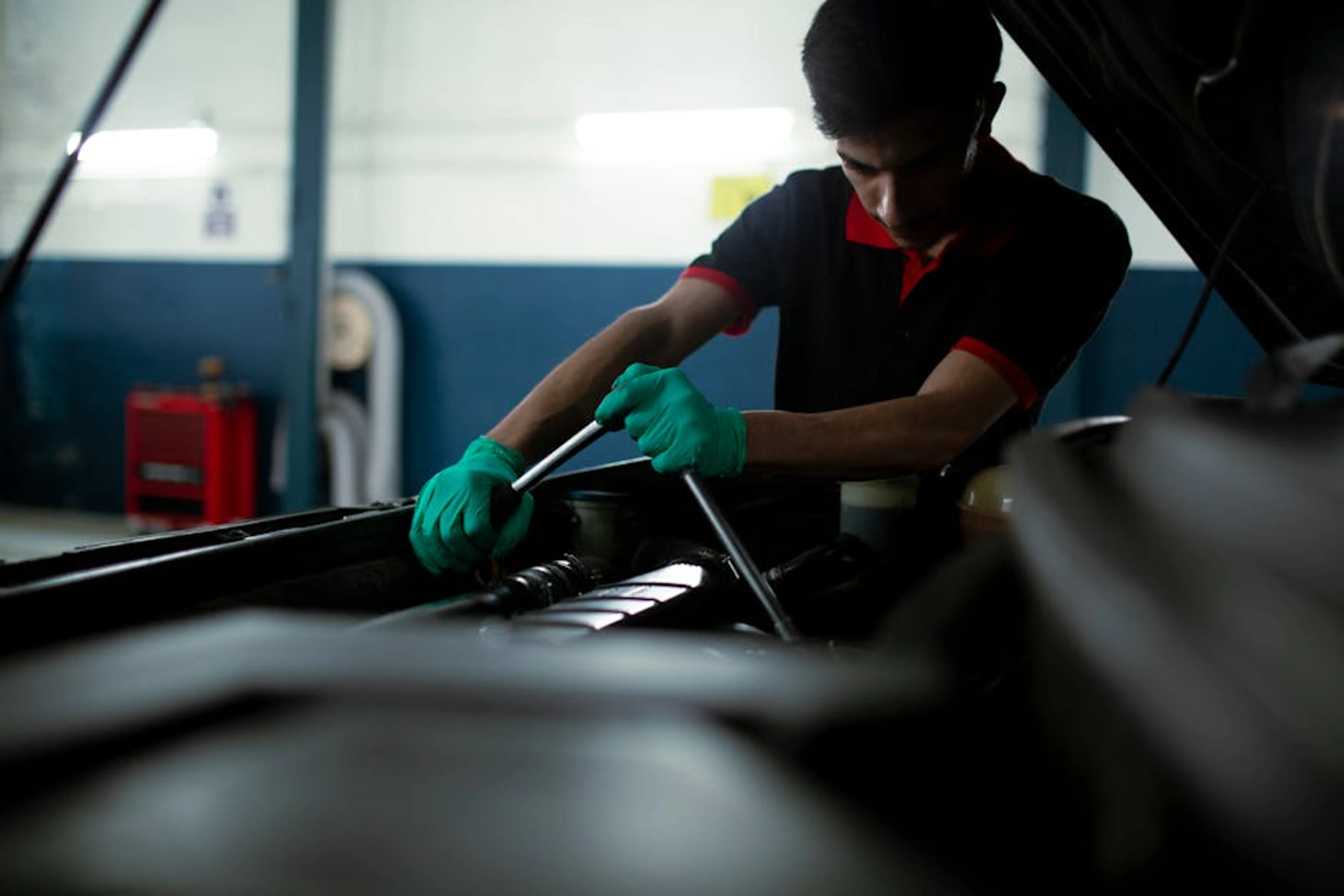
Regularly checking your car's essential fluids and tire pressure is simple but incredibly effective. These small, consistent actions can prevent major issues and save you significant money and hassle in the long run. If you're unsure about any check or task, consult a certified mechanic.
DIY Tips for Basic Checks
Checking Engine Oil: Park on level ground, ensure the engine is off and cool (or warm, but let it sit for a few minutes for oil to drain back to the pan). Pull out the dipstick, wipe it clean, reinsert it fully, then pull it out again to read the level.
Checking Tire Pressure: Use a digital or stick-type gauge. Unscrew the valve cap, press the gauge firmly onto the valve stem, and read the pressure. Compare it to your car's recommended pressure (not the tire sidewall max). Add or release air as needed.
FAQ Section
What happens if I don't change my oil on time?
If you neglect timely oil changes, the engine oil will degrade, losing its ability to lubricate, cool, and clean effectively. This leads to increased friction, sludge buildup, higher engine temperatures, and accelerated wear of critical engine components. Ultimately, it can result in significant engine damage, reduced performance, and even complete engine failure, which is a very costly repair.
How often should I rotate my tires?
Most vehicle manufacturers and tire professionals recommend rotating your tires every 5,000 to 7,500 miles, or at every oil change. Regular rotation helps ensure that all four tires wear evenly, extending their lifespan, improving handling, and maintaining consistent traction across the vehicle.
Can under-inflated tires affect my car's fuel economy?
Yes, absolutely. Under-inflated tires increase rolling resistance, meaning your engine has to work harder to move the vehicle. This extra effort directly translates to increased fuel consumption. Maintaining correct tire pressure, as specified in your owner's manual, can improve your fuel efficiency by up to 3% and also enhance safety and tire longevity.
Conclusion
Mastering the basics of car maintenance, particularly regarding your engine oil and tires, is an empowering step towards responsible vehicle ownership. You now understand the critical roles these components play in your car's safety, performance, and longevity, along with the consequences of neglect. By committing to regular oil changes, maintaining correct tire pressure and tread depth, and adhering to a consistent maintenance schedule, you are not just performing routine tasks; you are investing in the reliability and extended life of your vehicle. Stay proactive, consult your owner's manual, and don't hesitate to seek professional advice when needed. Your car will thank you with years of safe and efficient driving.
Content is for information only; Author/Site is not liable for decisions made; Reader is responsible for their own actions.
------end of article------