Vegetable Gardening: Stop These Beginner Mistakes
Are you a new vegetable gardener feeling overwhelmed or frustrated by lackluster results? Many beginners stumble into common pitfalls that can turn a hopeful season into a disappointing one. This guide is designed to help you identify and stop these critical beginner mistakes before they derail your gardening dreams, ensuring a thriving and productive harvest.

Introduction
Are you a new vegetable gardener feeling overwhelmed or frustrated by lackluster results? Many beginners stumble into common pitfalls that can turn a hopeful season into a disappointing one. This guide is designed to help you identify and stop these critical beginner mistakes before they derail your gardening dreams, ensuring a thriving and productive harvest.
Drawing on established horticultural principles and expert advice, this comprehensive article provides clear, actionable strategies to overcome the most frequent challenges faced by new vegetable growers. You will learn fundamental techniques for site selection, soil health, proper spacing, watering, and pest management, empowering you to cultivate a successful garden with confidence. By understanding and avoiding these common errors, you can transform your gardening efforts into a rewarding experience with abundant yields.
Mistake 1: Choosing the Wrong Location (and How to Pick the Perfect Spot)
One of the most fundamental decisions for any vegetable gardener is selecting the right location. Placing your garden in an unsuitable spot can severely limit plant growth and yield, regardless of how well you tend to other aspects. Sunlight is paramount for almost all vegetables, influencing everything from flowering to fruit development.
Understanding Sunlight Requirements for Common Vegetables
Different vegetables have varying light needs. Fruiting vegetables like tomatoes, peppers, cucumbers, and squash are sun-lovers, requiring at least 6-8 hours of direct sunlight per day to produce a good harvest. Leafy greens such as lettuce, spinach, and Swiss chard, along with root vegetables like carrots and radishes, can tolerate partial shade, typically needing 4-6 hours of direct sun. Understanding these requirements is the first step to successful placement.
Assessing Your Yard's Available Sunlight
Before you even dig, observe your yard throughout the day. Track how sunlight moves across potential garden spots. You can do this manually by checking every hour or so, or by using a sun calculator app. Pay attention to shadows cast by trees, fences, and buildings, as these can significantly reduce direct sun exposure. A spot that looks sunny in the morning might be completely shaded by midday.
Tips for Improving Light Conditions (if necessary)
If your ideal spot doesn't get enough sun, you have options. Consider pruning overhanging tree branches (if they are on your property and safe to do so) to allow more light. Raised beds or containers offer flexibility, allowing you to position plants in the sunniest available areas or even move them as the sun shifts seasonally. Sometimes, re-evaluating your garden's location to a different part of the yard is the most effective solution.
Key Takeaway: Proper sunlight is non-negotiable for most vegetables. Observe your yard diligently before planting.
Mistake 2: Overcrowding Your Plants (and How to Give Them Space to Thrive)
The desire to maximize your harvest can often lead to a common beginner mistake: planting too many seeds or seedlings too close together. While it might seem like you're getting more out of your space, overcrowding inevitably leads to smaller, weaker plants and reduced overall yields.
The Importance of Proper Plant Spacing
Every plant needs adequate space for its roots to spread, access nutrients and water, and for its foliage to capture sunlight and allow for good air circulation. When plants are too close, they compete fiercely for limited resources. This competition stresses the plants, making them more susceptible to pests and diseases.
Understanding Seed Packet and Plant Tag Spacing Recommendations
Always read the instructions on seed packets and plant tags carefully. These recommendations are not arbitrary; they are based on years of horticultural research and provide the optimal spacing for mature plant size and productivity. They typically specify both the spacing between individual plants and the spacing between rows. Adhering to these guidelines is crucial for healthy growth.
Consequences of Overcrowding: Reduced Yields and Increased Disease
Overcrowded plants exhibit several negative symptoms. Their growth may be stunted, resulting in smaller fruits or fewer leaves. Lack of air circulation creates a humid microclimate around the foliage, which is an ideal breeding ground for fungal diseases like powdery mildew and blight. Furthermore, dense foliage makes it harder to inspect for and manage pests effectively, allowing infestations to spread rapidly.
Actionable Advice: Thin your seedlings ruthlessly. It feels counterintuitive to remove healthy young plants, but it's essential for the health of those that remain.
Mistake 3: Neglecting Soil Health (and How to Build a Foundation for Growth)
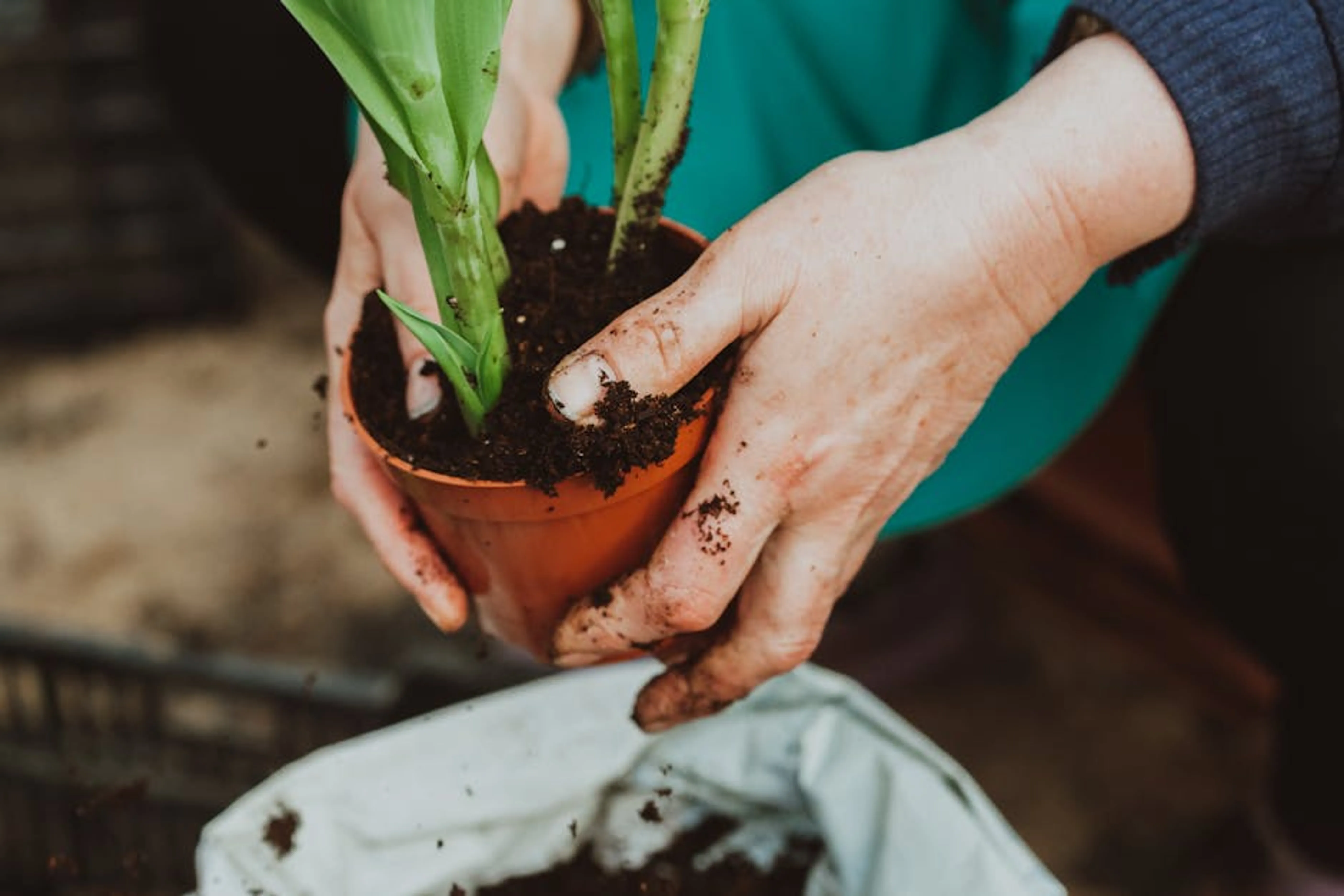
Healthy soil is the bedrock of a successful vegetable garden. Many beginners underestimate its importance, focusing solely on the plants themselves. However, poor soil quality can lead to nutrient deficiencies, poor drainage, and overall plant stress, making it difficult for your vegetables to flourish.
Why Healthy Soil is Crucial for Vegetable Production
Soil is not just dirt; it's a living ecosystem teeming with microorganisms, fungi, and invertebrates that break down organic matter and make nutrients available to plants. Healthy soil provides essential nutrients, retains moisture, allows for proper root aeration, and offers a stable anchor for plant growth. Without it, even the most diligent watering and pest control efforts will fall short.
Assessing Your Current Soil Type (e.g., clay, sandy, loam)
Before you amend, understand what you have. You can do a simple hand test: sandy soil feels gritty and drains quickly; clay soil feels sticky, forms a ball easily, and drains slowly; loamy soil is the ideal, feeling crumbly and rich. Observing how water drains after a rain or watering session can also give you clues about your soil's composition and compaction.
How to Amend Your Soil: Compost, Manure, and Other Organic Matter
Regardless of your starting soil type, incorporating organic matter is almost always beneficial. Compost, well-rotted manure, leaf mold, and other decomposed plant materials improve soil structure, enhance water retention in sandy soils, improve drainage in clay soils, and provide a slow-release source of nutrients. Aim to add a 2-4 inch layer of organic matter to your garden beds annually, mixing it into the top 6-12 inches of soil.
The Role of Soil pH and How to Test It
Soil pH measures its acidity or alkalinity, a critical factor because it affects nutrient availability. Most vegetables prefer a slightly acidic to neutral pH (6.0-7.0). If your soil is too acidic or too alkaline, plants may not be able to absorb essential nutrients, even if they are present. Simple soil test kits, available at garden centers, can tell you your soil's pH. You can adjust pH by adding lime (to raise pH) or elemental sulfur (to lower pH), following package directions carefully.
Mistake 4: Watering Incorrectly (and How to Keep Your Plants Hydrated)
Water is essential for plant life, but many new gardeners either underwater or overwater, both of which can be detrimental. Understanding your plants' specific needs and adopting best practices for watering is crucial for their survival and productivity.
Understanding Your Plants' Watering Needs
Watering needs vary significantly based on the plant type, its growth stage, the weather, and your soil type. Young seedlings need consistent moisture, while established plants might tolerate slight drying between waterings. Fruiting plants often require more water when they are setting fruit. Hot, windy weather will dry out soil faster than cool, cloudy conditions.
Deep Watering vs. Frequent Shallow Watering: What's Best?
The golden rule for vegetable gardening is to water deeply and less frequently, rather than shallowly and often. Deep watering encourages roots to grow deeper into the soil, making the plant more resilient to dry spells and more efficient at accessing nutrients. Frequent shallow watering, conversely, promotes shallow root systems that are highly dependent on constant surface moisture and prone to drying out quickly.
Best Practices for Watering: Time of Day and Method
The best time to water your garden is in the early morning. This allows the water to soak in before the heat of the day causes excessive evaporation and gives foliage time to dry before nightfall, reducing the risk of fungal diseases. Water at the base of the plant, directly onto the soil, rather than overhead. Soaker hoses or drip irrigation systems are excellent for delivering water directly to the root zone efficiently and minimizing water waste and leaf wetness.
Recognizing Signs of Underwatering and Overwatering
Learning to read your plants is key. Signs of underwatering include wilting leaves that may feel crispy, stunted growth, and dry, cracked soil. Overwatering can be trickier to diagnose, as symptoms often mimic underwatering (wilting). However, overwatered plants may also show yellowing leaves, soft or mushy stems, and a general lack of vigor, often accompanied by persistently soggy soil or a rotten smell.
Warning: Consistently soggy soil can lead to root rot, which is often fatal to plants. Ensure good drainage.
Mistake 5: Not Planning for Pests and Diseases (and How to Proactively Protect Your Garden)
Even the healthiest gardens can encounter pests and diseases. Many beginners are caught off guard, reacting only after an infestation or infection has taken hold. A proactive approach is far more effective in maintaining a healthy, productive garden without resorting to harsh chemicals.
Common Pests and Diseases Affecting Home Vegetable Gardens
You will likely encounter common pests like aphids, slugs, hornworms, and squash bugs. Diseases might include powdery mildew, early blight, or fusarium wilt. Familiarize yourself with the appearance of these common issues in your region so you can identify them early.
Preventative Measures: Crop Rotation, Companion Planting, and Healthy Plants
Crop Rotation: Do not plant the same type of vegetable in the same spot year after year. Rotating crops (e.g., planting legumes where tomatoes were last year) disrupts pest life cycles and prevents the buildup of soil-borne diseases.
Companion Planting: Certain plants can benefit each other. Marigolds can deter nematodes, nasturtiums can act as a trap crop for aphids, and basil is said to improve tomato flavor and deter flies.
Healthy Plants: The best defense against pests and diseases is a strong, healthy plant. Plants grown in good soil, with adequate sunlight and water, are naturally more resilient and better able to withstand attacks.
Identifying and Managing Common Issues Without Harsh Chemicals
Regularly inspect your plants, especially the undersides of leaves, for early signs of pests or disease. If you find issues:
Hand-picking: For larger pests like hornworms or slugs, simply pick them off and dispose of them.
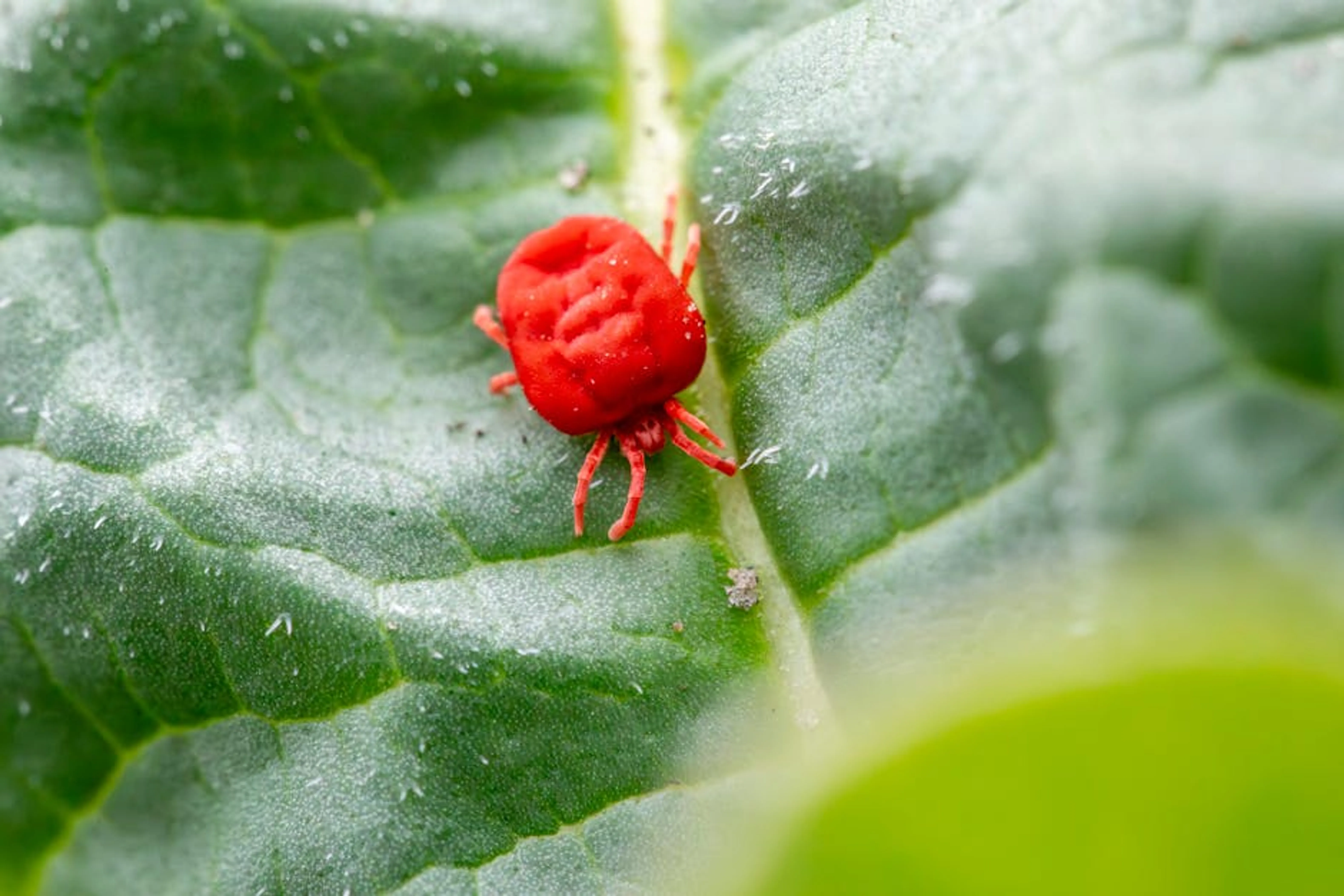
Water Spray: A strong spray of water can dislodge aphids and spider mites.
Insecticidal Soap/Neem Oil: These organic options can be effective against soft-bodied insects and some fungal issues. Always follow label directions.
Pruning: Remove affected leaves or branches immediately to prevent disease spread. Ensure good air circulation around plants by pruning dense foliage.
Vegetable Planting Needs Comparison Table
This table summarizes key requirements for some popular vegetables, helping you plan your garden effectively.
VegetableSunlight (Hours Direct)Spacing (Between Plants)Watering NeedsTomatoes6-8+24-36 inchesConsistent, deep; especially during fruitingPeppers6-8+18-24 inchesConsistent; avoid water stressLettuce4-66-12 inchesConsistent, shallow; keep soil moistCarrots6-82-4 inchesConsistent; soil must not dry out for germinationBush Beans6-84-6 inchesModerate, consistent; avoid overhead wateringCucumbers6-8+24-36 inches (vining)Heavy, consistent; crucial during fruitingSpinach4-64-6 inchesConsistent; keep soil moist
FAQ
What are the most common beginner vegetable gardening mistakes?
The most common beginner mistakes include choosing a location with insufficient sunlight, overcrowding plants, neglecting soil health, watering incorrectly (either too much or too little), and failing to plan for common pests and diseases. Addressing these five areas proactively will significantly increase your chances of success.
How often should I water my vegetable garden?
There's no single answer, as watering frequency depends on plant type, soil, weather, and growth stage. Generally, aim for deep waterings less frequently rather than shallow waterings often. Check the soil moisture by sticking your finger about an inch or two deep; if it feels dry, it's likely time to water. Most established vegetable gardens benefit from 1-3 deep waterings per week during warm, dry periods.
When is the best time to plant vegetables?
The best time to plant vegetables depends on your local climate and the specific plant. Warm-season crops like tomatoes and peppers should only be planted after all danger of frost has passed in spring. Cool-season crops such as lettuce, spinach, and peas can be planted in early spring and again in late summer/early fall for a second harvest. Always consult a local planting calendar or your agricultural extension office for specific dates for your region.
Conclusion
Embarking on a vegetable gardening journey is incredibly rewarding, but it doesn't come without its challenges. By proactively addressing the five critical beginner mistakes discussed—choosing the wrong location, overcrowding plants, neglecting soil health, watering incorrectly, and failing to plan for pests and diseases—you can lay a strong foundation for success. Remember to assess your sunlight, give your plants space, nurture your soil, water deeply, and stay vigilant against garden invaders.
Vegetable gardening is a continuous learning process. Each season offers new insights and opportunities to refine your skills. Embrace observation, be patient, and most importantly, enjoy the journey of growing your own food. With these actionable strategies, you are well-equipped to cultivate a thriving, productive garden that brings you joy and delicious harvests for years to come.
Content is for information only; Author/Site is not liable for decisions made; Reader is responsible for their own actions.
------end of article------