The Underrated Used Car Checklist You Need
Buying a used car can be a smart financial move, but it comes with inherent risks. This detailed, underrated used car checklist empowers you to identify potential issues before purchase, saving you from future headaches and unexpected expenses.

The Underrated Used Car Checklist You Need
Purchasing a used car is often a significant investment, promising value and utility. However, without a meticulous approach, this investment can quickly turn into a financial burden laden with unexpected repairs. Many buyers overlook critical inspection points, swayed by superficial appeal or attractive pricing. This guide provides a comprehensive, underrated used car checklist designed to empower you with the knowledge to perform a thorough inspection, identify potential problems, and make an informed decision, thereby safeguarding your hard-earned money and ensuring long-term satisfaction.
This guide is crafted by experienced automotive professionals committed to delivering objective, actionable advice based on extensive industry knowledge. The information presented is thoroughly researched and aims to equip you with the practical tools necessary for a successful used car purchase. You can expect a deep dive into every crucial aspect of a used car inspection, from the exterior's subtle clues to the engine's hidden health, the cabin's integrity, the test drive's revelations, and the indispensable documentation checks.
What to Expect in This Guide
A detailed breakdown of exterior and interior inspection points.
Essential checks for the engine and mechanical components.
A structured approach to the crucial test drive.
Guidance on verifying vehicle documentation and history.
Insights into potential costs of neglecting specific inspection points.
Answers to common questions about buying a used car.
Section 1: The Essential Exterior Inspection
The exterior of a used car can reveal a wealth of information about its past care, potential accidents, and overall condition. A careful walk-around before even starting the engine is paramount.
Body Panels: Dents, Scratches, Rust, and Misalignment
Examine every body panel for dents, deep scratches, and signs of rust. Pay close attention to areas around wheel wells, rocker panels, and door bottoms, as these are common rust spots. Look for inconsistent panel gaps or misaligned body parts, which can indicate previous collision repair. Feel along the edges of panels for rough spots or overspray, suggesting a repaint.
Paint Condition: Fading, Peeling, and Mismatched Colors
Inspect the paint for uniformity. Fading or peeling paint, especially on horizontal surfaces like the roof and hood, suggests prolonged sun exposure and less diligent care. Mismatched paint shades between panels are a strong indicator of prior accident damage and subsequent repair. Use different lighting conditions (e.g., direct sunlight, shade) to spot variations.
Glass and Seals: Cracks, Chips, and Leaks
Check all windows, the windshield, and mirrors for cracks or chips. Even small chips in the windshield can spread. Examine the rubber seals around windows and doors for dryness, cracking, or signs of water leaks. A compromised seal can lead to water damage inside the cabin.
Tires: Tread Depth, Wear Patterns, and Age (DOT Code)
Tire condition is a critical safety and cost factor. Inspect the tread depth using a tread depth gauge or the penny test (if Lincoln's head is fully visible, the tread is too low). Look for uneven wear patterns, which can signal alignment issues, worn suspension components, or improper inflation. Locate the DOT code on the tire sidewall; the last four digits indicate the week and year of manufacture (e.g., 3220 means 32nd week of 2020). Tires older than six years, regardless of tread, should be considered for replacement.
Lights and Lenses: Functionality and Condition
Test all exterior lights: headlights (high and low beam), turn signals, brake lights, reverse lights, and hazard lights. Ensure all lenses are free from cracks, condensation, or excessive haziness, which can reduce light output and indicate moisture ingress.

Section 2: Under the Hood - Engine and Mechanicals
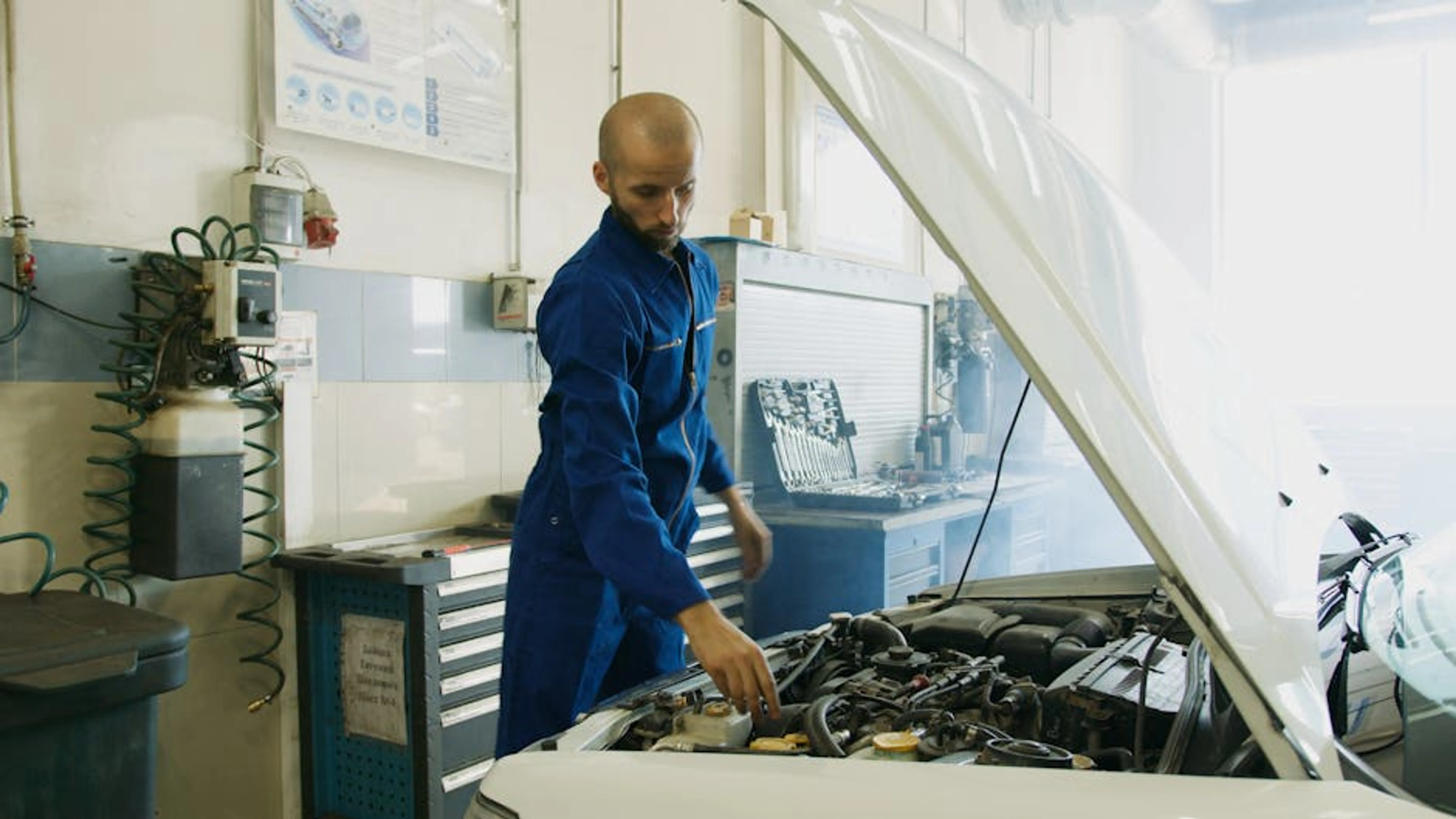
Opening the hood provides a direct view into the vehicle's mechanical heart. This section requires careful observation for signs of neglect or impending issues.
Fluid Levels and Condition: Oil, Coolant, Brake Fluid, Power Steering Fluid
Check the levels and appearance of all accessible fluids. Engine oil should be at the correct level and appear golden or dark brown, not milky (indicating coolant contamination) or excessively gritty. Coolant should be green, orange, or pink, and clear, not rusty or sludgy. Brake fluid should be clear to light amber, not dark brown. Power steering fluid should be clear. Low fluid levels often suggest a leak or lack of maintenance.
Belts and Hoses: Cracks, Wear, and Proper Tension
Inspect all visible belts for cracks, fraying, or excessive shine, which indicates wear. Squeeze hoses to check for excessive softness or hardness, and look for cracks or bulges. Ensure belts have proper tension; they shouldn't be too loose or too tight.
Battery: Corrosion and Age
Examine the battery terminals for corrosion, which appears as a white or bluish powdery substance. Excessive corrosion can hinder electrical flow. Look for a date sticker on the battery; most car batteries last 3-5 years. A new-looking battery might cover up other electrical issues, so inquire about its replacement history.
Visible Leaks or Corrosion
Scan the engine bay for any signs of fluid leaks (oil, coolant, power steering fluid). Look for stains on engine components, hoses, or on the ground beneath the car. Also, check for corrosion on metal parts, especially around electrical connections, which could indicate moisture exposure or poor maintenance.
Engine Bay Cleanliness: A Sign of Maintenance?
While a sparkling clean engine bay might seem positive, it can sometimes be a red flag, potentially hiding leaks or other issues. A moderately dusty but dry engine bay often suggests regular, honest driving and maintenance. Look for signs of recent cleaning that might be too thorough, raising suspicion.
Section 3: Inside the Cabin - Comfort and Functionality
The interior tells a story about how the car was used and cared for. Beyond aesthetics, functionality is key.
Upholstery and Trim: Wear, Tears, Stains, and Smells
Inspect seats, carpets, and headliner for tears, excessive wear, stains, or burns. Pay attention to the driver's seat and steering wheel, as wear here can be an indicator of true mileage, regardless of what the odometer says. Notice any persistent odors like stale smoke, pet odors, or mildew, which can be difficult and costly to remove.
Dashboard and Controls: Functionality of All Buttons, Knobs, and Displays
Turn the ignition to the 'on' position (without starting the engine) and check that all warning lights illuminate and then extinguish as expected. Test every button, knob, and switch on the dashboard and center console, including windows, door locks, mirrors, and seat adjustments. Ensure all display screens are clear and functional.
Air Conditioning and Heating System
Start the car and test the A/C by turning it to its coldest setting and highest fan speed. Check for cold air output. Then, switch to heat and ensure hot air is produced. Listen for any unusual noises from the blower motor. A malfunctioning climate control system can be an expensive repair.
Infotainment and Speaker System
Test the radio, CD player (if applicable), Bluetooth connectivity, and any navigation system. Pair your phone to check Bluetooth functionality. Listen to all speakers to ensure they are working clearly without distortion. Test USB ports and auxiliary inputs.
Pedals and Steering Wheel: Wear as an Indicator of Mileage
Examine the wear on the brake, accelerator, and clutch pedals. Excessive wear on these components, particularly the rubber pads, can suggest higher mileage than indicated on the odometer. Similarly, a shiny, worn steering wheel rim can point to extensive use.
Section 4: The Test Drive - Putting It All Together
The test drive is arguably the most critical part of the inspection, where you can assess the vehicle's dynamic performance and uncover issues not visible during a static check.
Starting the Engine: Unusual Noises or Vibrations
Pay close attention when starting the engine. Listen for any difficulty in starting, grinding noises, or excessive vibrations. A smooth, quiet start is ideal. Observe if any warning lights remain illuminated after the engine starts.
Driving Impressions: Acceleration, Braking, Steering Responsiveness
During the drive, evaluate how the car accelerates. Is it smooth and responsive, or sluggish and hesitant? Test the brakes in a safe area; they should feel firm and linear, without pulling to one side or pulsating. Assess the steering: it should feel tight and responsive, not loose or vague. Drive at various speeds, including highway speeds if possible.
Transmission Performance: Smooth Shifting (Automatic/Manual)
For automatic transmissions, shifts should be smooth and barely noticeable, without harsh jerks, slips, or delayed engagement. For manual transmissions, the clutch should engage smoothly, and gears should shift easily without grinding or excessive force. Test all gears, including reverse.
Suspension and Ride Quality: Noises Over Bumps
Drive over various road surfaces, including bumps and uneven pavement. Listen for clunks, squeaks, or rattles from the suspension. The ride should feel composed, not overly bouncy or harsh. Excessive body roll in turns can indicate worn suspension components.
Brake Performance: Effectiveness and Pedal Feel
Perform a few controlled stops. The brake pedal should feel firm, not spongy or require excessive force. The car should stop in a straight line without pulling. Listen for squealing or grinding noises, which could indicate worn pads or rotors.
Listening for Unwanted Noises
Throughout the test drive, turn off the radio and listen intently. Pay attention to any unusual noises: engine knocks, squeals, whines, clunks, rattles, or hums. Try to pinpoint their source and conditions under which they occur (e.g., accelerating, braking, turning).
Section 5: Documentation and History Check
Even the most thorough physical inspection is incomplete without verifying the vehicle's history and paperwork. This step can uncover hidden problems that even a mechanic might miss.
Vehicle Identification Number (VIN) Verification
Locate the VIN on the driver's side dashboard (visible through the windshield) and on the driver's side door jamb. Ensure these numbers match the VIN on the vehicle title and any other documentation. Discrepancies are a major red flag.
Title Status: Clean, Salvage, Rebuilt, etc.
Always inspect the vehicle's title. A 'clean' title indicates no major incidents. Be wary of 'salvage,' 'rebuilt,' 'flood,' or 'lemon' titles, as these signify significant past damage that can affect safety, reliability, and resale value, often making insurance difficult or expensive. Understand the implications before proceeding.
Maintenance Records: Regular Servicing and Repairs
Ask the seller for all available maintenance records. A car with a consistent service history, showing regular oil changes, tire rotations, and timely repairs, is generally a better bet. A lack of records could indicate neglect or an attempt to hide issues.
Vehicle History Report (e.g., Carfax, AutoCheck)
Purchase a vehicle history report using the VIN. These reports provide invaluable information, including accident history, previous owners, odometer discrepancies, recall information, and reported maintenance. Cross-reference the report with the seller's claims and your physical inspection findings.
Recalls and Outstanding Service Campaigns
Check the manufacturer's website or the NHTSA website using the VIN to see if there are any open recalls or outstanding service campaigns for the vehicle. Unaddressed recalls can pose safety risks and may indicate a lack of owner diligence.

Comparison: Key Inspection Points vs. Potential Costs of Neglect
Understanding the potential consequences of neglecting certain inspection points can underscore the importance of a thorough checklist. The following table highlights common issues and their potential financial impact if overlooked.
Neglecting even minor issues during a pre-purchase inspection can lead to significantly higher repair costs down the line. A small investment in time now can save thousands later.
Inspection PointWhat to Look ForPotential Cost if Damaged/IgnoredTiresLow tread, uneven wear, cracks, age$400-$1,200 for a new set, plus potential handling/safety issues.BrakesGrinding, squealing, soft pedal, pulling$300-$800 per axle for pads/rotors, major safety hazard if ignored.Fluid LeaksPuddles, low fluid levels, stains under hood$100 (gasket) to $2,000+ (major engine/transmission repair) depending on fluid and source.SuspensionClunks, rattles, excessive bounce, uneven ride height$500-$2,000+ for shocks, struts, control arms; poor handling, tire wear.Check Engine LightLight illuminated (during test drive)$100 (sensor) to $3,000+ (catalytic converter, major engine issue); won't pass emissions.AC/HeatingNo cold/hot air, unusual noises$300-$1,500+ for compressor, condenser, or evaporator repair.Mismatched PaintColor variations, overspray, panel gaps$1,000-$5,000+ for professional body repair/repaint; indicates prior accident.Title StatusSalvage, rebuilt, flood, lemonSignificant depreciation, difficulty insuring, potential hidden structural issues, safety concerns.
FAQ Section
Q1: How much should I budget for a pre-purchase inspection (PPI)?
A pre-purchase inspection (PPI) by an independent mechanic typically costs between $100 and $200. This is a highly recommended investment, as a professional mechanic can identify issues that an untrained eye might miss, potentially saving you thousands in future repairs. Consider it a small insurance premium for a large purchase.
Q2: What are the biggest red flags to watch out for when buying a used car?
Major red flags include a salvage or rebuilt title, significant fluid leaks, a continuously illuminated check engine light, inconsistent VINs across documents, odometer discrepancies, obvious signs of flood damage (musty smell, rust in unusual places), and a seller who is unwilling to provide maintenance records or allow a PPI.
Q3: Is it worth buying a used car with a salvage title if the price is right?
Generally, it is advisable to avoid vehicles with a salvage title unless you are an expert mechanic or have a very specific purpose for the vehicle (e.g., parts car). While the price might be attractive, salvage title cars have been declared a total loss by an insurance company due to severe damage. They often come with hidden structural issues, safety concerns, difficulty obtaining insurance, and significantly lower resale value. The 'right price' rarely outweighs the potential long-term headaches and costs.
Conclusion
The journey to purchasing a used car is fraught with potential pitfalls, but with the right tools and a disciplined approach, you can navigate it successfully. This comprehensive, underrated used car checklist empowers you to look beyond the superficial and delve into the true condition and history of a vehicle. From the subtle clues on the exterior to the critical health indicators under the hood, the functionality within the cabin, the revelations of the test drive, and the indispensable insights from documentation, every step contributes to a confident and informed buying decision.
By diligently applying the inspection points outlined in this guide, you equip yourself with the ability to identify potential problems, negotiate effectively, and ultimately secure a reliable vehicle that serves your needs for years to come. Do not underestimate the power of a thorough inspection; it is your best defense against buyer's remorse and unexpected expenses.
Content is for information only; Author/Site is not liable for decisions made; Reader is responsible for their own actions.
------end of article------