Stop These Meditation Mistakes: Why You're Not Calming Down
Are you consistently finding that your meditation sessions leave you feeling more frustrated than peaceful? Many individuals embark on a meditation journey seeking tranquility, only to encounter persistent restlessness, wandering thoughts, or even physical discomfort. If you've felt that the promise of calm meditation remains just out of reach, this guide is for you.

Introduction
Are you consistently finding that your meditation sessions leave you feeling more frustrated than peaceful? Many individuals embark on a meditation journey seeking tranquility, only to encounter persistent restlessness, wandering thoughts, or even physical discomfort. If you've felt that the promise of calm meditation remains just out of reach, this guide is for you.
You are not alone in experiencing these challenges. The path to effective meditation is often paved with common misconceptions and unintentional errors that can sabotage your efforts to find inner peace. This comprehensive guide, informed by widely recognized mindfulness principles and common practitioner experiences, will illuminate the most prevalent meditation mistakes. By understanding these pitfalls, you can adjust your approach, refine your practice, and finally unlock the profound benefits of true meditative calm. Prepare to transform your meditation experience from a struggle into a source of genuine tranquility.
Core Section 1: Common Posture and Physical Discomfort Mistakes
The Slouch: How Poor Posture Hinders Relaxation
One of the most fundamental yet overlooked aspects of effective meditation is your posture. Many individuals attempt to meditate while slouching, hunched over, or in positions that actively create physical strain. When your spine is not aligned, it restricts your breath, creates tension in your back and neck, and can even contribute to mental fogginess. A slumped posture sends subtle signals of fatigue or disengagement to your brain, making it harder to cultivate alertness and clarity. Instead of facilitating relaxation, poor posture becomes a constant source of distraction, pulling your attention away from your chosen anchor and towards your discomfort. This physical unease can quickly lead to frustration, making it difficult to settle into a state of calm.
Unnecessary Tension: Are You Clenching?
Another common mistake is holding unnecessary tension in various parts of your body without even realizing it. You might find yourself clenching your jaw, furrowing your brow, tightening your shoulders, or tensing your hands and feet. This unconscious gripping is often a manifestation of mental stress or an attempt to 'force' relaxation. Paradoxically, this tension creates a barrier to true calm. When your body is in a state of subtle contraction, your nervous system remains subtly activated, preventing the deep relaxation necessary for meditative states. It's crucial to regularly scan your body during your practice, consciously releasing any tension you discover, allowing your muscles to soften and your body to feel supported without effort.
The 'Too Comfortable' Trap: Avoiding Sleep Instead of Calm
While comfort is important, there's a fine line between a comfortable meditative posture and one that invites sleep. Many beginners opt for lying down or sinking into overly soft furniture, thinking this will enhance relaxation. However, for most meditation practices aimed at cultivating awareness and presence, being too comfortable can quickly lead to drowsiness or even falling asleep. The goal of meditation is not to sleep, but to remain awake and alert, observing your inner experience without judgment. A posture that provides stability and alertness, such as sitting upright with a straight but relaxed spine, allows energy to flow and helps you stay present, rather than drifting off into slumber. Your body should feel supported, but your mind should remain clear and engaged.
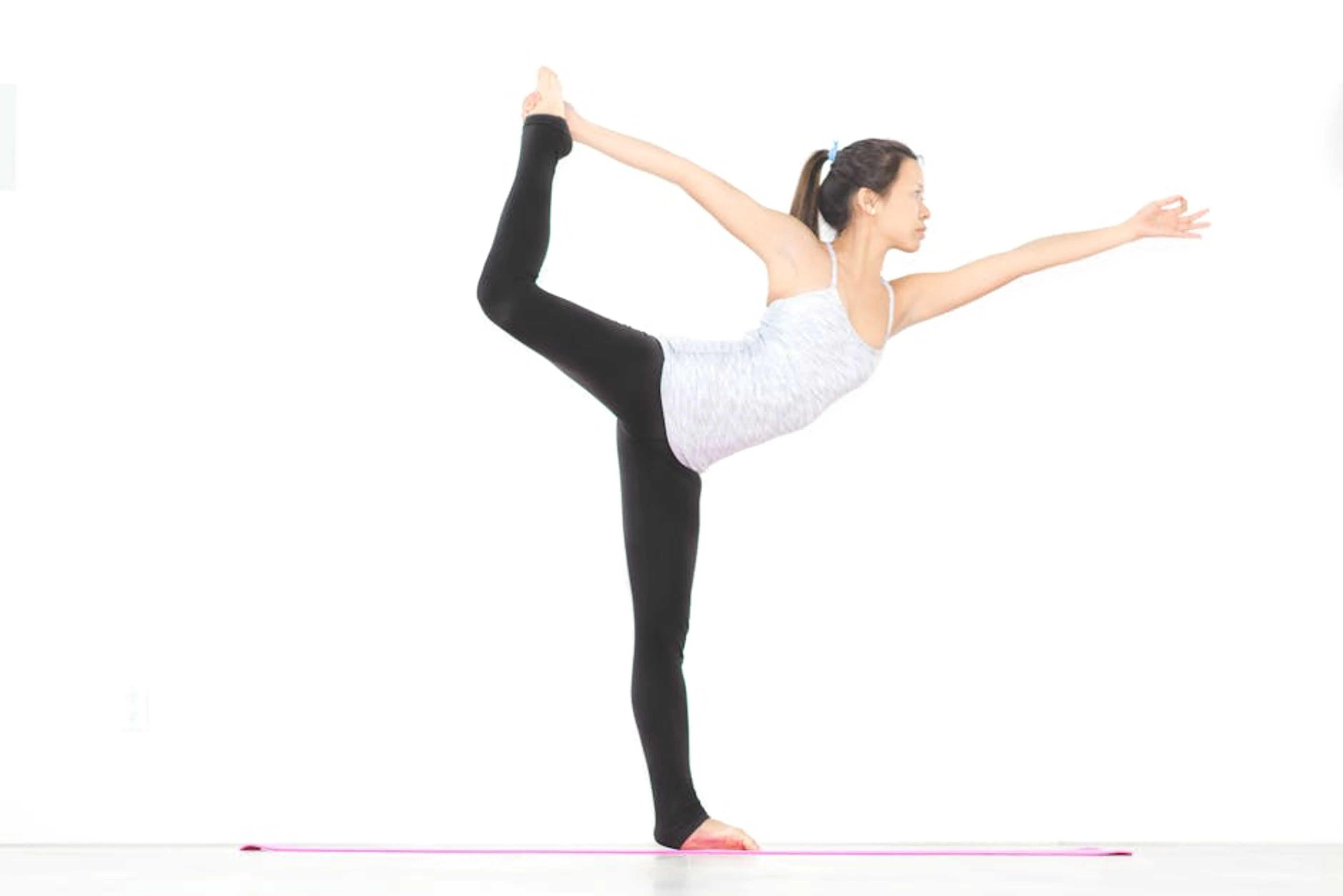
Core Section 2: Mental Obstacles and Expectation Misalignments
The 'No Thoughts' Myth: Why Your Brain Won't Go Silent
One of the most pervasive and damaging myths about meditation is the idea that you should achieve a state of 'no thoughts.' Many individuals approach meditation with the explicit goal of emptying their mind, and when thoughts inevitably arise (as they always do), they become frustrated, believing they are failing. This misconception sets an impossible standard. The human mind is designed to think; it's a continuous stream of consciousness. The purpose of mindfulness meditation is not to stop thinking, but rather to change your relationship with your thoughts. Instead of trying to suppress them, you learn to observe them without judgment, allowing them to pass like clouds in the sky. Understanding this fundamental truth can alleviate immense pressure and transform your practice.
The Urge to 'Fix' Your Mind
Closely related to the 'no thoughts' myth is the tendency to try and 'fix' your mind during meditation. When thoughts deemed negative, distracting, or unpleasant arise, you might immediately try to push them away, analyze them, or scold yourself for having them. This active resistance creates internal struggle and agitation, moving you further away from calm. Meditation is a practice of acceptance and non-reactivity. The urge to 'fix' your mind implies there's something wrong with it, which is contrary to the spirit of mindfulness. Instead of engaging with or fighting your thoughts, the practice encourages you to simply notice them, acknowledge their presence, and then gently redirect your attention back to your anchor, such as your breath. This shift from 'fixing' to 'observing' is a cornerstone of effective meditation.
Setting Unrealistic Goals for Every Session
Many individuals approach each meditation session with a specific, often lofty, goal: to achieve profound bliss, eliminate all stress, or gain instant enlightenment. While these outcomes can be aspects of a long-term practice, expecting them from every single session is a recipe for disappointment. Meditation is a journey, not a destination, and each session is simply an opportunity to practice. Some sessions will feel calm and focused, while others will be filled with restlessness, boredom, or distraction. Setting unrealistic goals creates pressure and judgment, making it harder to simply 'be' with the experience as it is. Approach each session with an open mind, a willingness to practice, and an understanding that the benefits accumulate over time, not necessarily in a single dramatic breakthrough.
Core Section 3: Timing and Environment Errors
Rushing the Process: Insufficient Session Length
In our fast-paced world, it's tempting to squeeze meditation into brief, rushed intervals. While even a minute of mindful breathing can be beneficial, consistently cutting your sessions short can prevent you from reaching deeper states of calm and concentration. The mind often takes several minutes to settle down, to move past initial distractions, and to begin to deepen its focus. If you consistently stop before this settling phase occurs, you might conclude that meditation isn't working for you. Gradually increasing your session length, even by just a few minutes, can make a significant difference. Allowing yourself adequate time provides the space for your mind to transition from its usual busy state into one of greater stillness and awareness.
The Distraction Minefield: Unoptimized Meditation Space
Your environment plays a crucial role in the quality of your meditation practice. Attempting to meditate in a noisy, cluttered, or frequently interrupted space is like trying to hear a whisper in a storm. External distractions from phones, televisions, other people, or even visual clutter can constantly pull your attention away, making it incredibly difficult to concentrate. While it's true that advanced practitioners can meditate anywhere, for most people, especially beginners, creating a dedicated, quiet, and relatively distraction-free space is invaluable. This doesn't require a lavish setup; it could be a quiet corner, a specific chair, or a time when others in your household are asleep. Minimizing external stimuli helps you to more easily turn your attention inward.
Inconsistent Practice: The Impact of Sporadic Efforts
Meditation is a skill, and like any skill, it improves with consistent practice. Many individuals approach meditation sporadically, perhaps only when they feel overwhelmed or stressed. While these occasional sessions can offer momentary relief, they don't build the foundational mental muscles necessary for sustained calm and focus. Inconsistent practice prevents your mind from adapting and learning the patterns of mindfulness. Regularity, even if for shorter durations, is far more effective than infrequent, long sessions. Establishing a routine – meditating at the same time each day – helps to train your mind and body, making it easier to slip into a meditative state and build resilience against everyday stressors. Think of it like physical exercise: small, consistent efforts yield far better results than occasional, intense bursts.

Core Section 4: Technique and Focus Flaws
Wandering Attention: Lack of a Clear Anchor
A common frustration in meditation is a mind that constantly wanders. While some mind-wandering is natural, a lack of a clear 'anchor' can make it feel like you're simply lost in thought. An anchor is a focal point you return to whenever your mind drifts. The most common and effective anchor is your breath – the sensation of air entering and leaving your body. Other anchors can include bodily sensations, a mantra, or a visual point. Without a designated anchor, your attention has nothing specific to return to, making it harder to gently guide your mind back to the present moment. Choosing and consistently returning to an anchor provides a stable reference point, helping you to develop concentration and awareness. The practice isn't about never wandering, but about noticing when you wander and gently returning.
Over-Analysis of the Experience
During meditation, it's easy to fall into the trap of over-analyzing your experience. You might find yourself judging how well you're doing, critiquing your thoughts, or trying to intellectualize the sensations you're feeling. This analytical mode, while useful in other areas of life, can be detrimental to meditation. Mindfulness is about direct experience, not about thinking about the experience. When you're constantly analyzing, you're engaging your conceptual mind rather than simply observing. This prevents you from fully immersing yourself in the present moment. The practice encourages a 'beginner's mind' – an attitude of curiosity and openness without the need to label, judge, or understand. Simply notice what is present, without adding a narrative to it.
Forcing the Breath vs. Observing It
The breath is a powerful tool in meditation, but how you relate to it is crucial. Many individuals mistakenly try to control or force their breath, attempting to make it deeper, slower, or more 'meditative.' This conscious manipulation can lead to tension, anxiety, and a feeling of artificiality. The goal of breath awareness in meditation is not to change your breath, but to observe it exactly as it is. Notice its natural rhythm, its depth, its temperature, and the sensations it creates in your body. By simply observing without interference, you allow your breath to naturally regulate itself, often leading to a more relaxed and even rhythm. This non-interfering observation cultivates a deeper sense of acceptance and presence, which are core tenets of mindfulness.
Comparison/Data Summary Section: Common Mistakes vs. Their Impact
MistakeDescriptionTypical OutcomeRecommended AdjustmentPoor PostureSlouching, hunching, or uncomfortable body alignment.Physical discomfort, restricted breath, mental fogginess, distraction.Sit upright with a straight but relaxed spine, supported if needed.Unnecessary TensionClenching jaw, shoulders, hands, or feet unconsciously.Subtle activation of the nervous system, prevents deep relaxation.Regular body scans, consciously release tension, soften muscles.'No Thoughts' MythBelieving the mind should be completely silent during meditation.Frustration, self-judgment, feeling of failure when thoughts arise.Accept thoughts as natural; observe them without judgment, return to anchor.Rushing SessionsConsistently meditating for very short durations.Mind doesn't settle, perceived lack of progress, superficial benefits.Gradually increase session length, allow time for mind to settle.Distracting EnvironmentMeditating in noisy, cluttered, or frequently interrupted spaces.Constant external pulls on attention, difficulty concentrating.Create a quiet, dedicated, and relatively distraction-free space.Inconsistent PracticeMeditating only sporadically or when feeling stressed.Lack of sustained mental 'muscle' development, slower progress.Establish a regular schedule, even short daily sessions are effective.Forcing the BreathActively trying to control or change the natural breath.Tension, anxiety, artificiality, disconnect from natural rhythm.Observe the breath exactly as it is, without interference or judgment.
FAQ Section
How long should I meditate for?
For beginners, starting with 5-10 minutes a day is often recommended. As you become more comfortable, you can gradually increase the duration to 15-20 minutes, or even longer if it feels beneficial. Consistency is more important than length; a daily 10-minute practice is more effective than an hour-long session once a week.
What if I can't stop thinking during meditation?
It's completely normal for your mind to be active during meditation. The goal is not to stop thinking, but to notice when your mind has wandered and gently bring your attention back to your chosen anchor (like your breath). Each time you notice your thoughts and return to your anchor, you are strengthening your 'attention muscle.' Don't judge your thoughts; simply observe them and let them pass.
Is it okay to feel bored or restless?
Yes, it is absolutely okay to feel bored, restless, frustrated, or any other emotion during meditation. These feelings are part of the human experience and will inevitably arise. The practice of mindfulness is to acknowledge these sensations without judgment, allowing them to be present without getting swept away by them. Simply notice the feeling, and then gently redirect your attention back to your anchor. These moments offer valuable opportunities to practice acceptance and non-reactivity.
Conclusion
Embarking on a meditation journey is a profound step towards greater well-being, but it's common to encounter obstacles that can make the path feel challenging. By understanding and addressing the common mistakes discussed – from incorrect posture and unreleased physical tension to mental traps like the 'no thoughts' myth and unrealistic expectations – you can significantly enhance your practice. Correcting errors in timing, environment, and technique, such as insufficient session length, distracting spaces, inconsistent practice, wandering attention, over-analysis, and forcing the breath, will pave the way for a more effective and deeply calming experience.
Remember, meditation is not about instant perfection or eliminating all challenges; it's about persistent, mindful practice and cultivating a gentle, non-judgmental awareness. Embrace the learning process, be patient with yourself, and make small, consistent adjustments. By doing so, you will transform your meditation from a source of frustration into a powerful tool for cultivating inner peace, clarity, and genuine calm in your daily life.
Content is for information only; Author/Site is not liable for decisions made; Reader is responsible for their own actions.
------end of article------