Solo Travel Safety: Prepared vs. Unprepared
Embarking on a solo journey can be incredibly rewarding, but safety is paramount. Discover how thorough preparation can transform your travel experience, mitigating risks and enhancing confidence. Learn about essential tools, strategies, and common pitfalls to avoid for a secure adventure.

Introduction
The allure of solo travel is undeniable: the freedom to explore at your own pace, embrace new cultures, and discover personal strengths. However, the realities of navigating unfamiliar territories alone can present unique challenges and potential risks. While the romanticized image often omits the practicalities of safety, it is the cornerstone of a truly fulfilling solo adventure. This guide serves as your authoritative resource, drawing on extensive expertise in travel safety and risk management, to illuminate the profound difference preparedness makes. You will learn why meticulous planning isn't just a recommendation but a vital prerequisite for a secure and enriching solo journey, transforming potential vulnerabilities into opportunities for confident exploration.
Section 1: The Unprepared Solo Traveler: Navigating Risks

Embarking on a solo trip without adequate preparation can expose you to a myriad of preventable risks, turning what should be an exciting adventure into a stressful ordeal. Understanding these vulnerabilities is the first step toward safeguarding your journey.
Lack of Destination Research
Without proper research, you risk stumbling into cultural faux pas that can cause offense or draw unwanted attention. You might unknowingly book accommodation in unsafe neighborhoods or fall victim to common transportation scams because you are unaware of reliable local options. This oversight can lead to increased stress, wasted money, and compromised safety.
Inadequate Packing
Forgetting essential items can range from minor inconveniences to significant safety hazards. Traveling without a basic first-aid kit, appropriate clothing for local weather and customs, or critical emergency contact information leaves you vulnerable. Imagine being in a remote area without necessary medication or a way to treat a minor injury; these are scenarios easily avoided with thoughtful packing.
Limited Communication Plan
A solo traveler without a clear communication strategy faces significant challenges if an emergency arises. Difficulty contacting local authorities, family, or friends can escalate a minor incident into a crisis. Without a plan for regular check-ins or a way to inform loved ones of your whereabouts, your support network remains unaware and unable to assist efficiently.
Financial Vulnerability
Over-reliance on a single payment method (e.g., one credit card) or carrying insufficient emergency funds can leave you stranded if your card is lost, stolen, or not accepted. Unfamiliarity with local currency, exchange rates, or secure banking practices can also make you a target for opportunistic crime or lead to unnecessary financial losses.
Overconfidence/Underestimation of Risks
A common pitfall is assuming situations will always be manageable without prior planning. This overconfidence can lead to ignoring red flags, taking unnecessary risks, or failing to anticipate common travel scams. Believing 'it won't happen to me' is a dangerous mindset when you are solely responsible for your safety.
"To neglect preparation is to prepare for failure, especially when navigating the unpredictable landscape of solo travel."
Section 2: The Prepared Solo Traveler: Building a Safety Net
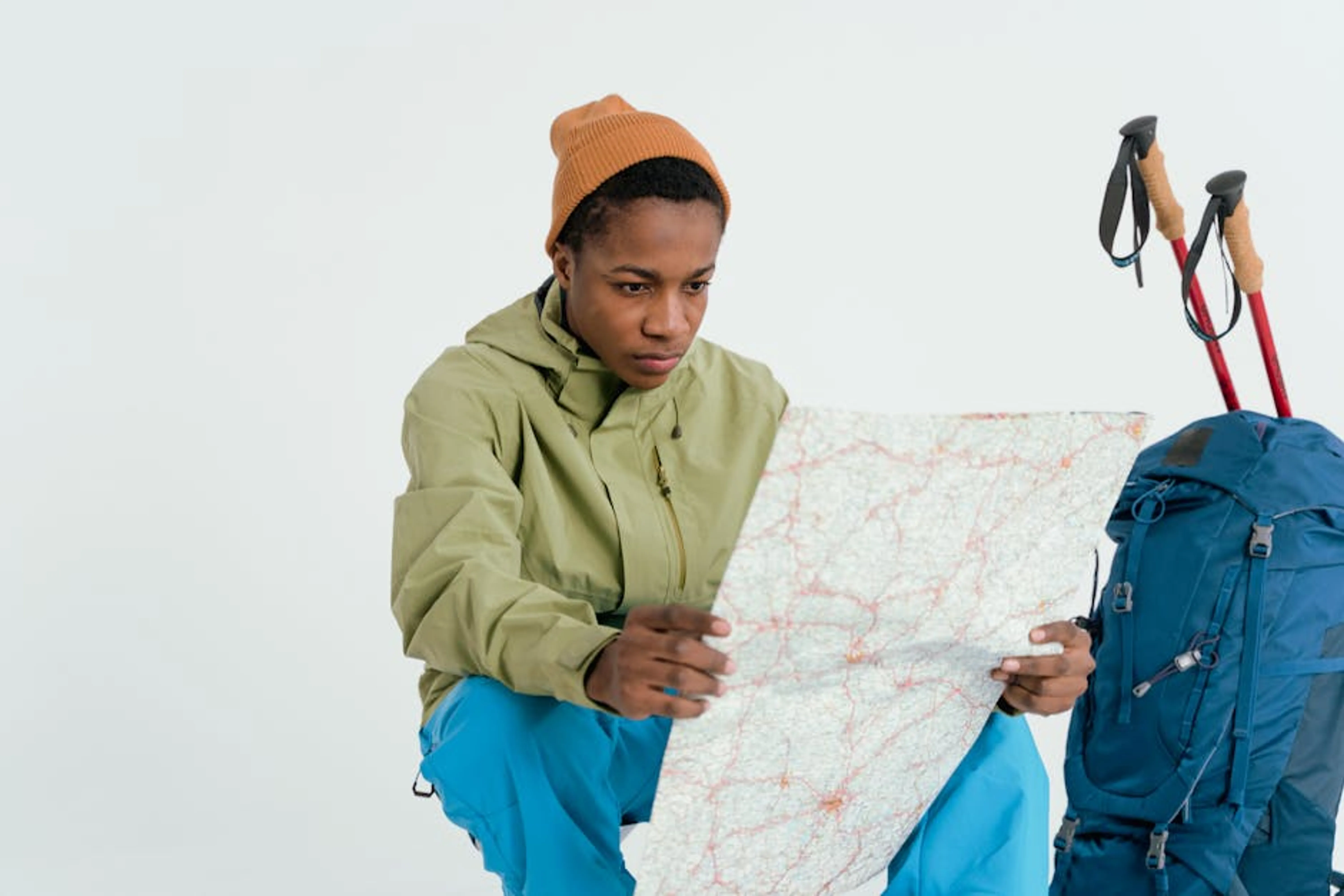
In stark contrast, the prepared solo traveler approaches their journey with a robust safety net, transforming potential threats into manageable challenges. This proactive approach not only minimizes risks but significantly enhances the overall travel experience.
Thorough Destination Research
Before departure, you meticulously research local laws, cultural norms, safe neighborhoods for accommodation, and reputable transportation options. This knowledge empowers you to blend in, avoid sensitive situations, and navigate your destination with confidence, making informed decisions about where to go and whom to trust.
Strategic Packing
Your luggage is more than just clothes; it's a mobile safety kit. You pack essential safety items like a personal alarm, a comprehensive medical kit (including prescription medications), copies of important documents (passport, visas, insurance), and a small amount of local currency for immediate needs. Appropriate clothing ensures you respect local customs and are comfortable in varying climates.
Robust Communication Strategy
You establish a clear communication plan: sharing your detailed itinerary with trusted contacts, scheduling regular check-ins, and equipping yourself with a local SIM card or eSIM for constant connectivity. You have a list of emergency contacts, both local and international, readily accessible, ensuring help is always within reach.
Financial Preparedness
Your financial safety net includes multiple payment options (different credit cards, a debit card, some cash in various denominations), an emergency fund separate from your daily spending, and an understanding of local banking practices. You know how to access funds securely and what to do if a card is lost or stolen, preventing financial crises.
Risk Assessment and Mitigation
You proactively identify potential hazards specific to your destination – be it petty crime, natural disasters, or political instability – and develop pre-planned responses. This includes knowing escape routes, meeting points, or alternative plans for common scenarios, allowing you to react calmly and effectively to unexpected events.
"Preparedness is not about fear; it is about empowerment, turning the unknown into the manageable and enabling true adventure."
Section 3: Essential Safety Tools and Techniques for Solo Travelers
Beyond general planning, specific tools and techniques can significantly bolster your safety on the road. Integrating these into your routine will provide an added layer of security.
Digital Tools
Location Sharing Apps: Apps like Google Maps' Location Sharing or Find My Friends allow trusted contacts to monitor your whereabouts, offering peace of mind.
Travel Safety Apps: Utilize apps that provide local emergency numbers, embassy contacts, and real-time safety alerts for your specific location.
Offline Maps: Download maps of your destination for offline use (e.g., Google Maps, Maps.me) to navigate without an internet connection, preventing you from getting lost.
Translation Tools: Google Translate or similar apps can bridge language barriers in emergencies or daily interactions.
Physical Tools
Personal Safety Alarms: A small, loud alarm can deter attackers and draw attention in an emergency.
Portable Door Locks: Devices like door stop alarms or portable deadbolts add an extra layer of security to your accommodation, especially in hostels or budget hotels.
Universal Travel Adapters with Surge Protection: Protect your valuable electronics and ensure you can always charge your communication devices.
Money Belt/Hidden Pouch: Keep essential documents and a portion of your cash securely hidden on your person, separate from your main wallet.
Situational Awareness
Cultivating strong situational awareness is perhaps your most vital safety tool. This involves constantly observing your surroundings, noticing details, and recognizing potential threats. Trust your intuition; if a situation feels off, it likely is. Avoid distractions like constantly looking at your phone, especially in crowded areas or at night, which can make you an easy target.
Emergency Preparedness
Always know the local emergency numbers (police, ambulance, fire). Consider taking a basic first-aid course before you travel. Have a contingency plan for common emergencies, such as losing your passport, getting sick, or needing to change travel plans unexpectedly. Knowing these procedures beforehand reduces panic and enables quicker, more effective responses.
"Your most powerful safety tool is your mind – informed, aware, and prepared to act."
Section 4: Mitigating Common Solo Travel Scenarios
Solo travel presents specific scenarios where awareness and pre-planning can make all the difference in maintaining your safety and well-being.
Transportation Safety
Choosing Reputable Services: Opt for licensed taxis, official ride-sharing apps, or well-reviewed public transport. Avoid unmarked vehicles or individuals soliciting rides aggressively.
Staying Alert on Public Transport: Be mindful of your belongings, especially in crowded areas. Position yourself near exits or other travelers if you feel uncomfortable.
Secure Ride-Sharing Practices: Confirm the driver's identity and vehicle details match the app before entering. Share your ride details with a trusted contact.
Accommodation Safety
Vetting Accommodations: Read recent reviews focusing on safety and security. Look for properties with good lighting, secure entrances, and positive feedback regarding staff helpfulness.
Securing Your Room: Always use deadbolts and chain locks. If available, utilize a safe for valuables. Be aware of who has access to your room.
Being Aware of Surroundings: Note emergency exits, the reception's location, and any unusual activity in hallways or common areas.
Social Interactions
Setting Boundaries: Be polite but firm if you feel pressured or uncomfortable. You are not obligated to accept invitations or share personal details.
Avoiding Oversharing Personal Information: Be cautious about revealing your full itinerary, where you're staying, or that you're traveling alone to strangers.
Recognizing Scams: Be wary of overly friendly strangers, sudden distractions, or offers that seem too good to be true. Research common local scams before you arrive.
Health and Well-being
Staying Hydrated and Mindful Eating: Drink plenty of bottled water and be cautious with street food or unfamiliar dishes to avoid illness.
Knowing When to Seek Medical Attention: Research local clinics or hospitals in advance. Understand your travel insurance coverage for medical emergencies.
Prioritizing Rest: Fatigue can impair judgment. Ensure you get enough sleep to stay alert and make sound decisions.
Section 5: Preparedness vs. Unpreparedness: A Comparative Overview

The stark contrast between a prepared and an unprepared solo traveler is evident in every aspect of their journey, from risk exposure to overall enjoyment.
Comparison Table: Key Differences
AspectUnprepared Solo TravelerPrepared Solo TravelerDestination KnowledgeMinimal; relies on instinct.Thorough; understands local nuances.Safety ResourcesFew to none; reactive.Extensive; proactive toolkit.CommunicationSporadic; limited emergency plan.Robust; regular check-ins, multiple contacts.Financial SecurityVulnerable; single payment method.Diversified; emergency funds, multiple cards.Risk ResponsePanicked, ineffective.Calm, strategic, pre-planned.Overall ExperienceStressful, potentially dangerous, limited enjoyment.Confident, secure, enriching, full enjoyment.
While specific statistics on incidents related solely to preparedness are complex to quantify, anecdotal evidence and expert consensus overwhelmingly support the notion that proactive measures drastically reduce adverse events. Prepared travelers are less likely to become victims of crime, suffer from preventable health issues, or face insurmountable logistical challenges.
Impact on Enjoyment and Confidence
The greatest dividends of preparedness are often unseen. When you know you have a plan for various contingencies, you travel with a profound sense of confidence. This confidence allows you to fully immerse yourself in the experience, engage with locals without undue fear, and truly enjoy the spontaneity that solo travel offers, knowing you have a safety net. Unpreparedness, conversely, often leads to anxiety, hesitation, and a diminished capacity to enjoy the adventure, as underlying worries about safety constantly linger.
"Safety is not a restriction on adventure; it is the foundation upon which the most memorable and meaningful adventures are built."
FAQ Section
What are the most common safety mistakes solo travelers make?
The most common mistakes include failing to research their destination thoroughly, oversharing personal information with strangers, neglecting to inform loved ones of their whereabouts, relying on a single payment method, and ignoring their intuition when a situation feels unsafe. Many also underestimate the importance of a basic first-aid kit and copies of essential documents.
How can I stay safe in a new city where I don't speak the language?
Utilize translation apps, learn a few key phrases (e.g., "hello," "please," "thank you," "help," "police"), and carry a small notebook with important phrases or addresses written down. Pre-load offline maps and identify key landmarks. When communicating, use gestures and point to things. Always have the address of your accommodation written in the local language to show taxi drivers or ask for directions.
What is the single most important safety tip for a solo traveler?
Trust your intuition. If a person, place, or situation feels off or unsafe, remove yourself from it immediately. Your gut feeling is often your brain processing subtle cues of danger that your conscious mind hasn't yet registered. Prioritizing your personal safety over politeness or convenience is paramount.
Conclusion
The journey of solo travel is a profound opportunity for self-discovery and unparalleled adventure. As this guide has underscored, the distinction between a challenging, potentially dangerous trip and a liberating, enriching experience often hinges entirely on your level of preparedness. By dedicating time to research, strategic packing, robust communication planning, and cultivating situational awareness, you equip yourself with the tools to navigate any unforeseen circumstance.
Embrace the world with confidence, knowing that your safety is not left to chance but is meticulously engineered. Preparedness doesn't diminish the spontaneity of travel; it enables it, ensuring that you can fully savor every moment, every new encounter, and every breathtaking vista without undue worry. Safety, ultimately, is not a barrier to adventure, but its most reliable enabler.
Content is for information only; Author/Site is not liable for decisions made; Reader is responsible for their own actions.
------end of article------