Online MBA: Avoid These Common Mistakes
Embarking on an online MBA can be a transformative step for your career, but many prospective students fall into preventable traps. This guide reveals the most common mistakes in online MBA programs, from overlooking accreditation to neglecting networking, and offers expert advice to ensure your success.

Embarking on an online Master of Business Administration (MBA) program promises flexibility and career advancement, but the path to success is often fraught with common, yet avoidable, mistakes. This comprehensive guide is designed to equip you with the knowledge to identify and circumvent these pitfalls, ensuring your online MBA journey is both productive and rewarding.
Introduction
Many individuals are drawn to the convenience and accessibility of an online MBA, yet without proper preparation and awareness, this flexible format can lead to unforeseen challenges. This guide will meticulously outline the most prevalent errors students make, from the initial program selection to the ongoing demands of study and networking, providing you with actionable strategies to navigate your educational investment wisely.
Hook: Setting the Stage for Your Online MBA Journey
Are you considering an online MBA to accelerate your career, enhance your leadership skills, or pivot into a new industry? The digital learning landscape offers unparalleled opportunities, but it also presents unique challenges that can derail even the most motivated students. Understanding these potential roadblocks before you encounter them is crucial for a smooth and successful experience.
E-E-A-T Establishment: Why Trust This Guide?
This guide draws upon extensive research into online education best practices, expert insights from academic advisors, and common experiences reported by online MBA graduates. The information provided is objective, data-driven, and focused on delivering practical, verifiable advice to help you make informed decisions and optimize your online MBA journey.
Mistake 1: Not Researching Program Accreditation and Reputation
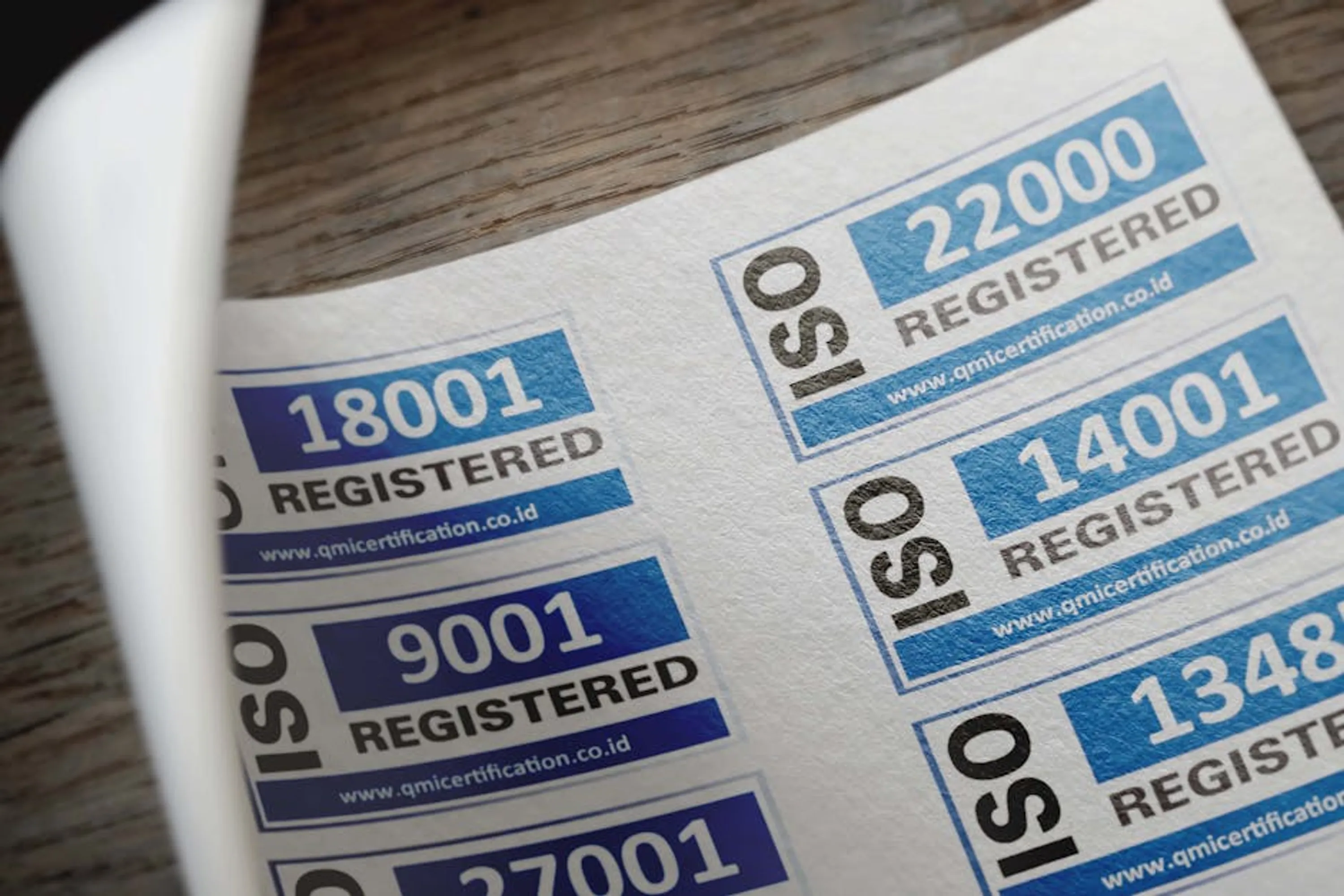
One of the most critical initial steps, often overlooked, is thoroughly vetting the accreditation and overall reputation of an online MBA program. Enrolling in a program without proper credentials can severely diminish the value of your degree and impact your career prospects.
The Dangers of Unaccredited or Low-Reputation Programs
An MBA from an unaccredited institution may not be recognized by employers, professional licensing bodies, or other educational institutions. This can lead to wasted time and significant financial investment in a degree that holds little to no professional currency. Furthermore, programs with poor reputations often lack quality faculty, robust curricula, and effective career services, ultimately failing to deliver on the promise of an MBA.
How to Verify Accreditation (e.g., AACSB, AMBA, EQUIS)
To ensure your degree will be respected, always verify a program's accreditation. For business schools, look for 'triple crown' accreditation from reputable agencies such as:
AACSB International (The Association to Advance Collegiate Schools of Business): The global standard for business schools.
AMBA (Association of MBAs): Focuses specifically on MBA, DBA, and Master's in Business and Management programs.
EQUIS (EFMD Quality Improvement System): An international accreditation for business schools, emphasizing internationalization.
These accreditations signify that a program meets rigorous standards of quality and relevance. Always check the official websites of these agencies to confirm a school's status, rather than relying solely on the school's claims.
Factors Beyond Accreditation: Faculty, Alumni Network, and Career Services
While accreditation is paramount, other factors contribute significantly to a program's value. Investigate the faculty's credentials, industry experience, and research contributions. A strong alumni network can provide invaluable mentorship, networking opportunities, and job leads. Furthermore, assess the quality of career services specifically tailored for online MBA students, including job placement rates, resume workshops, and interview coaching.
Key Takeaway: Never underestimate the power of recognized accreditation. It is the bedrock of your online MBA's credibility and future value.
Mistake 2: Underestimating the Time Commitment and Self-Discipline Required
The flexibility of an online MBA can be a double-edged sword. While it allows you to study from anywhere, it often leads students to underestimate the significant time commitment and the high level of self-discipline required for success.
The Reality of Balancing Work, Life, and Study
An online MBA is not a part-time endeavor; it demands substantial hours each week, often comparable to a full-time job. You will be responsible for managing your course load, participating in discussions, completing assignments, and preparing for exams, all while potentially juggling a full-time career, family responsibilities, and personal commitments. The reality is that something will need to give, and effective prioritization is essential.
Strategies for Effective Time Management and Prioritization
Successful online MBA students employ robust time management strategies. Consider these approaches:
Create a Detailed Study Schedule: Block out specific times for coursework each week and stick to them. Treat these study blocks as non-negotiable appointments.
Utilize Productivity Tools: Project management apps, calendar reminders, and note-taking software can help you stay organized and on track.
Break Down Large Tasks: Divide major assignments into smaller, manageable steps to avoid feeling overwhelmed and to maintain momentum.
Communicate with Your Support Network: Inform your family, friends, and employer about your commitments to gain their understanding and support.
Cultivating the Self-Discipline Needed for Success
Without the structured environment of a physical classroom, self-discipline becomes your most valuable asset. This involves setting personal deadlines, holding yourself accountable, and resisting distractions. Develop habits that foster consistent engagement with your studies, such as creating a dedicated study space, minimizing social media use during study times, and rewarding yourself for meeting milestones.
Mistake 3: Choosing a Program That Doesn't Align with Your Career Goals
An MBA is a significant investment, and its return on investment is maximized when the program directly supports your specific career aspirations. A common mistake is selecting a program based solely on reputation or cost without deeply considering its relevance to your professional trajectory.
Defining Your 'Why': Identifying Your Career Objectives
Before even looking at programs, clearly define your short-term and long-term career goals. Ask yourself: What industry do you want to work in? What role do you aspire to? What specific skills do you need to acquire or enhance? A clear understanding of your 'why' will serve as your compass in program selection.
Matching Program Specializations and Electives to Your Aspirations
Once your career objectives are clear, seek out programs that offer specializations, concentrations, or a rich array of electives that directly align with those goals. If you aim for a career in tech leadership, a program with a strong focus on technology management or innovation will be more valuable than one heavily weighted towards traditional finance.
Evaluating Course Content and Learning Outcomes
Go beyond just the specialization titles. Dive into the actual course syllabi and learning outcomes. Does the content cover the theories, tools, and practices relevant to your desired career path? Are there opportunities for practical application, such as capstone projects, simulations, or real-world case studies? Ensure the curriculum is designed to equip you with the tangible skills employers are seeking in your target field.
Mistate 4: Neglecting Networking Opportunities in an Online Environment

Many prospective online MBA students assume that networking is inherently limited in a virtual setting. This perception is a significant mistake, as networking remains a cornerstone of the MBA experience, regardless of delivery format.
The Importance of Building Connections Despite Physical Distance
An MBA is not just about the curriculum; it's about the connections you make with peers, faculty, and alumni. These relationships can lead to mentorship, collaborative projects, new career opportunities, and a lifelong professional support system. Neglecting to build these connections means missing out on a substantial part of your MBA's value proposition.
Proactive Networking Strategies: Virtual Events, Forums, and Alumni Engagement
Online environments offer unique avenues for networking. Be proactive in:
Participating in Virtual Events: Attend online guest lectures, webinars, career fairs, and student organization meetings.
Engaging in Discussion Forums: Contribute thoughtfully to course discussions, connect with classmates who share similar interests, and extend conversations beyond assignments.
Utilizing Professional Platforms: Leverage LinkedIn to connect with classmates, faculty, and alumni. Join program-specific groups and engage with relevant content.
Attending Optional In-Person Meetups: Some online programs offer optional residencies or regional meetups; seize these opportunities if available.
Leveraging the Online Platform for Peer-to-Peer Learning
Your classmates bring diverse professional backgrounds and experiences. The online learning platform provides tools for collaborative projects, study groups, and informal discussions. Actively participate in these interactions to gain different perspectives, hone your teamwork skills, and build lasting professional relationships.
Mistake 5: Failing to Prepare for the Technology and Learning Platform
The success of your online MBA hinges on your ability to effectively interact with the technology and learning management system (LMS) used by your program. Underestimating this aspect can lead to frustration and hinder your academic performance.
Understanding Technical Requirements and Software
Before your program begins, thoroughly review the technical specifications. This typically includes reliable internet access, a functioning computer with a webcam and microphone, and specific software requirements (e.g., Microsoft Office suite, statistical analysis software, video conferencing tools). Ensure your equipment meets these standards to avoid last-minute technical glitches.
Familiarizing Yourself with the Learning Management System (LMS)
Most online MBA programs use an LMS like Canvas, Blackboard, Moodle, or Brightspace. These platforms are central to your learning experience, hosting course materials, assignment submissions, discussion forums, and gradebooks. Take advantage of any orientation modules or tutorials offered by your program to become proficient with the LMS before classes start. Understand how to navigate modules, submit assignments, participate in discussions, and access resources.
Troubleshooting Common Technical Issues
Despite preparation, technical issues can arise. Know where to find technical support within your university. Bookmark the IT help desk contact information and understand their hours of operation. Learning basic troubleshooting steps, such as clearing browser cache, checking internet connections, and restarting your computer, can save valuable study time and reduce stress.
Warning: Technical preparedness is not optional for online learning. Proactively address any potential tech hurdles.
Comparison: Online MBA Program Features to Consider
When evaluating online MBA programs, considering various features beyond the core curriculum is essential. The following table highlights key differentiators that can significantly impact your learning experience and career outcomes.

FeatureHigh-Quality Online MBA ProgramLower-Quality Online MBA ProgramAccreditationAACSB, AMBA, EQUIS (or equivalent national recognition)Regional or no specialized business accreditationFaculty EngagementDedicated faculty for online students, interactive live sessions, prompt feedbackLimited faculty interaction, asynchronous only, delayed feedbackNetworking OpportunitiesVirtual events, active alumni network, collaborative projects, optional residenciesMinimal structured networking, limited peer interactionCareer ServicesSpecialized career coaching for online students, job placement assistance, employer connectionsGeneric career services, limited support for distance learnersLearning Platform (LMS)Intuitive, robust, mobile-friendly, excellent tech supportOutdated, difficult to navigate, frequent technical issues, poor supportFlexibilityMultiple start dates, self-paced options (within limits), diverse course deliveryRigid schedules, limited course options, less adaptableStudent SupportDedicated academic advisors, mental health services, technical support 24/7Minimal advising, limited support resources
FAQ Section
Question 1: How long does an online MBA typically take to complete?
The duration of an online MBA program can vary significantly. Many full-time online MBA programs can be completed in 18 to 24 months. Part-time options, which allow for greater flexibility, typically take between 2.5 to 4 years. Some accelerated programs may offer completion in as little as 12 months, while highly flexible programs might allow up to 5 or 6 years. It's crucial to check the specific program's structure and your personal capacity.
Question 2: Can an online MBA be as valuable as a traditional on-campus MBA?
Yes, an online MBA can be just as valuable as a traditional on-campus MBA, provided it comes from an accredited and reputable institution. Employers typically value the quality of the institution and the accreditation more than the delivery format. The key is to choose a program that offers a rigorous curriculum, strong faculty, robust career services, and ample networking opportunities, regardless of whether it's online or in-person.
Question 3: What are the most important factors to consider when comparing online MBA programs?
When comparing online MBA programs, prioritize accreditation (e.g., AACSB), alignment with your career goals (specializations, curriculum), faculty quality and engagement, alumni network strength, and career support services. Additionally, assess the program's flexibility, the learning management system's user-friendliness, and the overall cost versus potential return on investment.
Conclusion
Recap of Common Mistakes and Key Takeaways
Navigating the online MBA landscape requires diligence and strategic planning. By actively avoiding the common mistakes discussed—failing to research accreditation, underestimating time commitment, choosing misaligned programs, neglecting networking, and overlooking technological preparedness—you position yourself for success. Each of these pitfalls, if unaddressed, can diminish the value and impact of your degree.
Final Encouragement for a Successful Online MBA Experience
An online MBA is a powerful tool for career advancement, offering flexibility without compromising academic rigor. Approach your journey with an informed perspective, proactive engagement, and unwavering self-discipline. By taking the time to research thoroughly, manage your time effectively, align your program with your ambitions, actively network, and prepare technologically, you can transform potential challenges into stepping stones toward achieving your professional aspirations. Your commitment and strategic choices will ultimately define the success of your online MBA experience.
Content is for information only; Author/Site is not liable for decisions made; Reader is responsible for their own actions.
------end of article------