My Car Broke Down: Lessons Learned
A car breakdown can be a stressful event, but with the right knowledge, you can handle it safely and efficiently. This guide covers immediate actions, common causes, prevention strategies, and financial considerations to empower you on the road.

Introduction
Experiencing a car breakdown can be an unexpected and daunting event, leaving you stranded and uncertain of what to do next. While the initial moments can be stressful, understanding the 'lessons learned' from such situations empowers you to act decisively, safely, and effectively. This comprehensive guide will equip you with the knowledge to navigate immediate breakdown scenarios, comprehend common causes, implement preventative measures, and manage the financial implications, ensuring you are prepared for whatever the road throws your way.
You are about to gain valuable insights into vehicle reliability and emergency preparedness. By the end of this article, you will have a clear roadmap for handling breakdowns, minimizing their impact, and maintaining your vehicle to avoid future inconveniences. This expert-backed information is designed to transform a potentially alarming experience into a manageable situation, turning lessons learned into practical wisdom.
Immediate Steps When Your Car Breaks Down
When your vehicle unexpectedly ceases to function, your immediate actions are crucial for both your safety and the successful resolution of the issue. Knowing what to do in the first few minutes can make a significant difference.
Prioritize Safety: Pulling Over and Hazard Lights
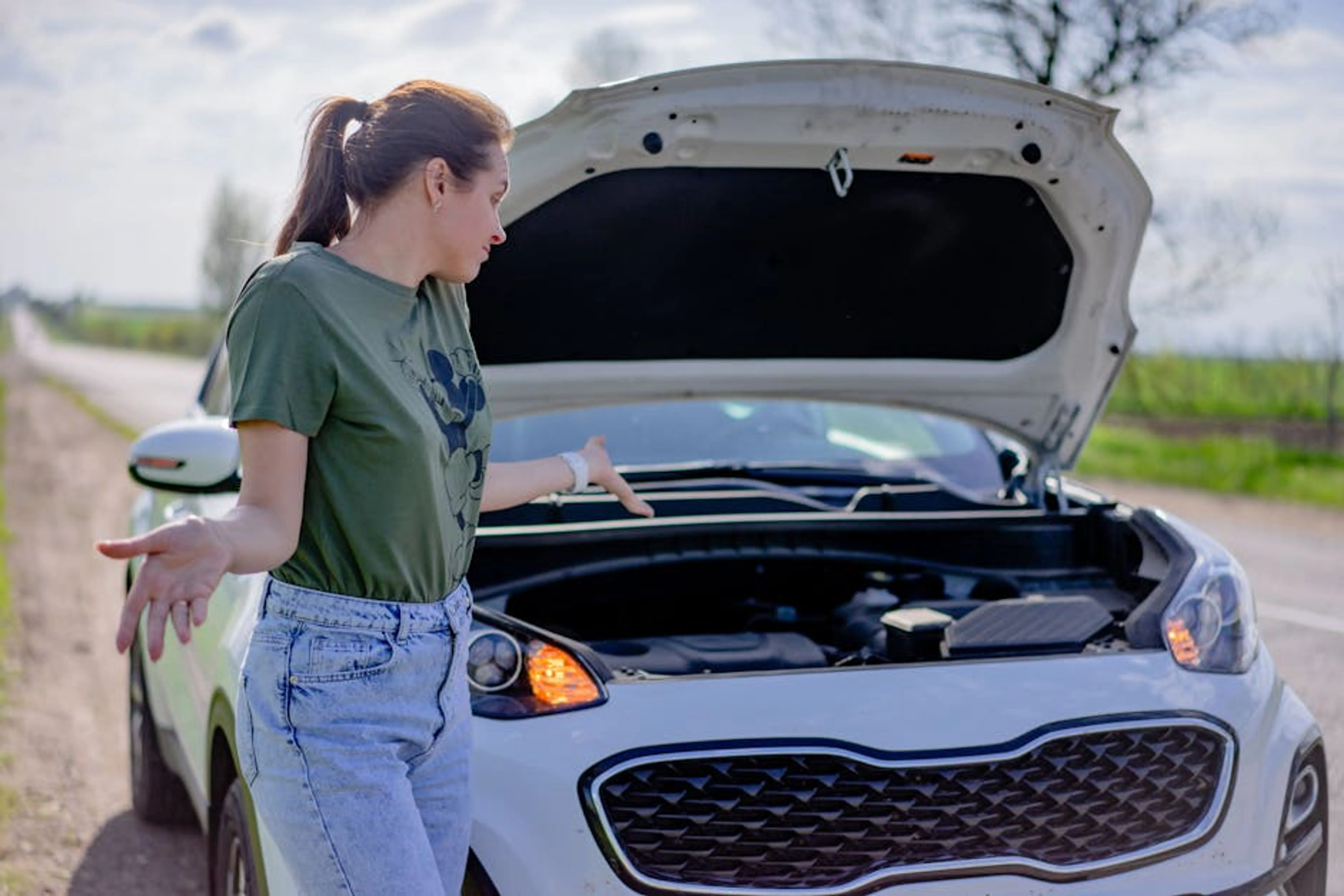
Your paramount concern should always be safety. As soon as you realize your car is breaking down, activate your hazard lights immediately. This alerts other drivers to your predicament. If possible, steer your vehicle to the safest available location. This might mean pulling over to the shoulder of the road, exiting the highway at the nearest opportunity, or finding a well-lit, visible area away from traffic. Ensure your vehicle is as far off the road as possible to create a safe buffer zone.
Always keep your hazard lights on and, if safe to do so, place reflective triangles or flares behind your vehicle to enhance visibility, especially at night or in adverse weather. Stay inside your vehicle with your seatbelt on, if you are in a potentially dangerous location, until help arrives.
Assess the Situation: Identifying Potential Causes
Once you are in a safe location, take a moment to assess the situation. Is there smoke? Are there unusual noises? Is a warning light illuminated on your dashboard? While you may not be a mechanic, identifying obvious signs can provide valuable information when you contact assistance. Check your fuel gauge – a common oversight can lead to an empty tank. If it's safe, you can briefly check under the hood for obvious issues like a loose battery cable or a visibly damaged belt, but only if there is no smoke or fire and traffic conditions permit.
Contacting Assistance: Roadside Services and Emergency Contacts
With safety secured and a preliminary assessment made, the next step is to call for help. If you have a roadside assistance plan through your insurance provider, auto club, or vehicle manufacturer, contact them first. Provide them with your exact location and any details you've gathered about the breakdown. If you do not have roadside assistance, consider calling a local towing service or a trusted mechanic. For genuine emergencies, such as being stranded in a dangerous area or if there's an injury, call emergency services (e.g., 911 in the U.S.). Always keep your phone charged and emergency contacts readily available.
Understanding Common Car Breakdown Causes
While breakdowns can be unpredictable, many stem from common issues that are often preventable. Understanding these typical culprits can help you identify a problem or even avoid one altogether.
Engine Issues: Overheating, Battery Failure, and More
The engine is the heart of your vehicle, and its failure can lead to a complete breakdown. Overheating, often indicated by a rising temperature gauge or steam from under the hood, can be caused by low coolant levels, a faulty thermostat, or a failing water pump. Battery failure is another frequent cause, especially in extreme temperatures. A dead battery can prevent your car from starting, often signaled by a clicking sound or no response when turning the key. Other engine issues include oil leaks, spark plug problems, or sensor malfunctions.
Tire Problems: Flats, Blowouts, and Tread Wear
Tires are your vehicle's only contact with the road, and their condition is critical. A flat tire, caused by a puncture, is a common breakdown scenario. Blowouts, a sudden rapid loss of air pressure, are more dangerous and often result from underinflation, overloading, or hitting road hazards at speed. Uneven or excessive tread wear can also lead to tire failure and reduced grip, making your vehicle unsafe.
Fuel System Malfunctions: Clogged Filters and Pump Failures
Your car needs a consistent supply of clean fuel to run. A clogged fuel filter can restrict fuel flow to the engine, leading to sputtering or stalling. A failing fuel pump can cause similar symptoms, as it struggles to deliver fuel from the tank to the engine. Running out of gas, while seemingly obvious, is also a common reason for a complete stop.
Electrical System Glitches: Alternator and Starter Issues
Beyond the battery, your vehicle's electrical system powers everything from the ignition to the lights. The alternator is responsible for charging the battery while the engine is running and powering electrical components. A failing alternator can lead to a dead battery and a non-starting car. The starter motor, as its name suggests, is crucial for initiating the engine's operation. If the starter malfunctions, your engine won't turn over, even with a fully charged battery.
Proactive Maintenance: Preventing Future Breakdowns
The best way to handle a car breakdown is to prevent it from happening in the first place. Regular, proactive maintenance is your strongest defense against unexpected vehicle failures.
Regular Vehicle Inspections: What to Check Yourself
You can perform several simple checks at home to monitor your car's health. Regularly check your tire pressure and tread depth. Inspect fluid levels, including engine oil, coolant, brake fluid, and windshield washer fluid. Look for any visible leaks under your vehicle. Test your lights, including headlights, taillights, brake lights, and turn signals. Listen for unusual noises and pay attention to any changes in your car's performance. These routine checks can help you spot potential problems before they escalate.
Scheduled Maintenance: Following Manufacturer Recommendations
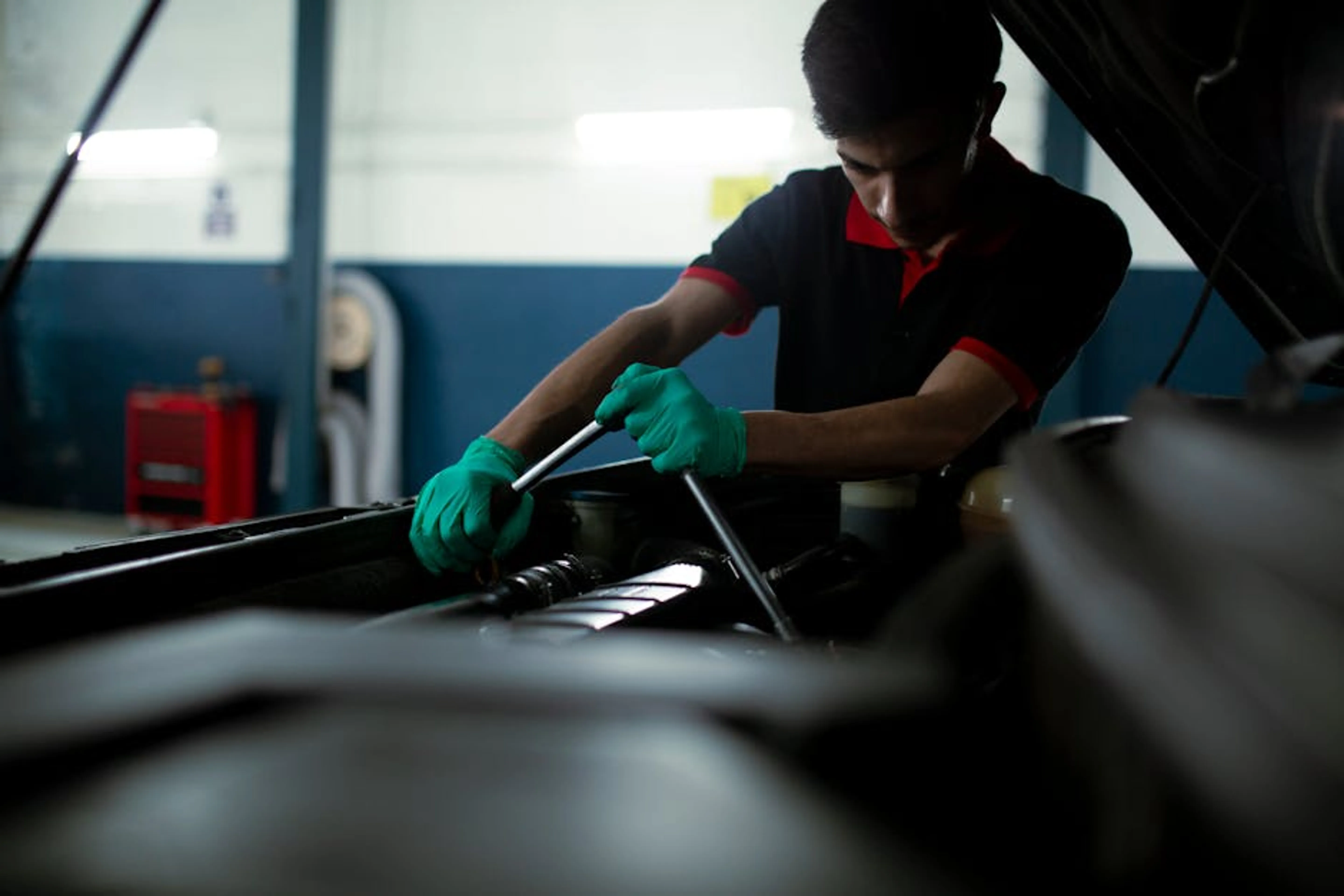
Beyond your own checks, adhering to your vehicle manufacturer's recommended service schedule is paramount. This schedule, found in your owner's manual, outlines when to perform oil changes, tire rotations, filter replacements, fluid flushes, and more extensive inspections. These services are designed to address wear and tear, replace components before they fail, and ensure your vehicle operates at peak efficiency. Neglecting scheduled maintenance is a primary cause of preventable breakdowns.
Recognizing Warning Signs: Early Detection of Problems
Your car often communicates problems before they become critical failures. Pay attention to dashboard warning lights such as the 'Check Engine' light, battery light, or oil pressure light. Unusual noises, like squealing brakes, grinding sounds, or engine knocking, should never be ignored. Changes in performance, such as reduced acceleration, rough idling, or difficulty starting, are also red flags. Addressing these warning signs promptly can save you from a roadside breakdown and potentially expensive repairs.
Ignoring warning lights or unusual vehicle behavior can lead to more severe damage and significantly higher repair costs. Early detection and intervention are key to preventing major breakdowns.
The Financial Impact of Breakdowns
Beyond the inconvenience and stress, car breakdowns often come with a significant financial burden. Understanding these costs can highlight the value of preventative measures.
Repair Costs: Factors Influencing Price
The cost of repairing a breakdown varies widely depending on the nature and severity of the problem, the make and model of your vehicle, and where you get the repair done. Minor issues like a battery replacement might cost a few hundred dollars, while major engine or transmission failures can run into thousands. Labor costs, parts prices (OEM vs. aftermarket), and geographical location all play a role in the final bill. Getting multiple quotes can help you find a fair price, but always prioritize quality and reputable mechanics.
Towing Fees and Emergency Services
If your car is immobilized, towing is often necessary. Towing fees typically involve a base hook-up fee plus a per-mile charge, which can quickly add up, especially if you are far from a service station. Emergency roadside services, such as jump-starts or tire changes, also incur costs if you don't have a membership or insurance coverage. These immediate expenses are often forgotten when considering the overall cost of a breakdown.
The Cost of Not Maintaining Your Vehicle
While scheduled maintenance has its own costs, neglecting it almost always proves more expensive in the long run. Skipping oil changes can lead to engine damage. Ignoring a small leak can result in a major component failure. Deferring tire replacements can cause blowouts and potential accidents. The cost of preventative maintenance is an investment that protects you from significantly higher repair bills for catastrophic failures, not to mention the potential costs associated with accidents or lost time due to breakdowns.
Data Summary: Breakdown Frequency and Common Issues
Understanding the statistics behind car breakdowns can provide valuable context and reinforce the importance of proactive care.
Comparison Table: Common Breakdown Causes vs. Prevention Strategies
The table below illustrates some of the most frequent reasons for roadside assistance calls and the direct preventative actions you can take.
Common Breakdown CauseFrequencyKey Prevention StrategyAverage Repair Cost (Estimate)Battery FailureMost CommonRegular battery checks, replace every 3-5 years$100 - $300Flat/Damaged TiresVery CommonRegular pressure checks, rotation, monitor tread depth$150 - $400 per tireEngine OverheatingCommonCheck coolant levels, inspect hoses, flush cooling system$300 - $1,500+Alternator FailureCommonMonitor battery light, regular electrical system checks$400 - $800Starter Motor IssuesModerateListen for unusual starting noises, professional inspection$300 - $700Fuel System ProblemsModerateRegular fuel filter replacement, avoid running on empty$200 - $1,000+
Data points suggest that battery-related issues consistently top the list of breakdown causes, followed closely by tire problems. While average repair costs for frequent issues can vary, preventative measures are almost always a fraction of the cost of emergency repairs. For example, a new car battery might cost around $100-$300, whereas a tow and an emergency replacement could push that higher, not to mention the inconvenience. Engine overheating repairs can range from a few hundred for a hose replacement to over a thousand for a major component like a water pump or radiator.

FAQ Section
What should you do if your car breaks down in a dangerous location?
If your car breaks down in a dangerous location, such as a busy highway lane or a blind curve, activate your hazard lights immediately. If it is absolutely safe to do so, try to steer your vehicle to the shoulder or emergency lane. If moving is not possible or safe, stay in your vehicle with your seatbelt fastened, call emergency services (e.g., 911), and wait for professional help. Do not attempt to exit your vehicle or fix the problem yourself in heavy traffic or unsafe conditions.
How often should you have your car professionally inspected?
It is generally recommended to have your car professionally inspected at least once a year, or every 10,000 to 12,000 miles, whichever comes first. This goes beyond routine oil changes and includes a comprehensive check of brakes, suspension, steering, tires, fluid levels, belts, hoses, and the electrical system. Following your manufacturer's recommended service schedule is the best guideline, as it is tailored to your specific vehicle model.
Is it cheaper to fix minor issues before they become major problems?
Absolutely. Addressing minor issues promptly is almost always more cost-effective than waiting for them to escalate into major problems. For example, replacing a worn brake pad is significantly cheaper than replacing the entire brake rotor and caliper once the pad has completely failed and damaged other components. Similarly, fixing a small coolant leak is far less expensive than repairing an engine damaged by overheating due to a lack of coolant. Preventative and early repairs save you money, time, and stress in the long run.
Conclusion
Navigating the unexpected event of a car breakdown can be a significant challenge, but with the right knowledge and preparation, it doesn't have to be a crisis. You have learned the critical immediate steps to ensure safety, gained an understanding of common breakdown causes, and discovered the immense value of proactive maintenance. Furthermore, recognizing the financial implications of vehicle failures underscores the importance of consistent care.
By implementing the lessons learned from potential breakdown scenarios – prioritizing safety, understanding your vehicle's warning signs, and adhering to a diligent maintenance schedule – you empower yourself to stay prepared. These strategies not only reduce the likelihood of a breakdown but also equip you to handle any unforeseen circumstances on the road with confidence and efficiency. Stay informed, stay vigilant, and enjoy the peace of mind that comes with a well-maintained and understood vehicle.
Content is for information only; Author/Site is not liable for decisions made; Reader is responsible for their own actions.
------end of article------