How to Cook Delicious Air Fryer & Instant Pot Meals: Your Guide to Effortless Weeknight Dinners
Master your Air Fryer and Instant Pot to create delicious, time-saving weeknight meals. This guide covers essential techniques, beginner-friendly recipes, and tips for leveraging both appliances for maximum flavor and convenience.

Are you tired of the daily struggle to prepare healthy, delicious, and quick weeknight dinners? Do you find yourself reaching for takeout menus more often than you'd like, simply because cooking feels like a monumental task after a long day? This comprehensive guide is your solution. You will discover how to harness the power of two of the most revolutionary kitchen appliances – the Air Fryer and the Instant Pot – to transform your meal preparation from a chore into an effortless and enjoyable experience. Prepare to unlock a world of crispy textures, tender meats, and vibrant flavors, all with minimal fuss.
I. Understanding Your Kitchen Powerhouses: Air Fryer vs. Instant Pot
Before diving into recipes, it's crucial to understand what makes each of these appliances unique and how they can best serve your culinary needs. While both aim to simplify cooking, their methods and strengths differ significantly.
A. The Magic of the Air Fryer: How it Works and What it Excels At
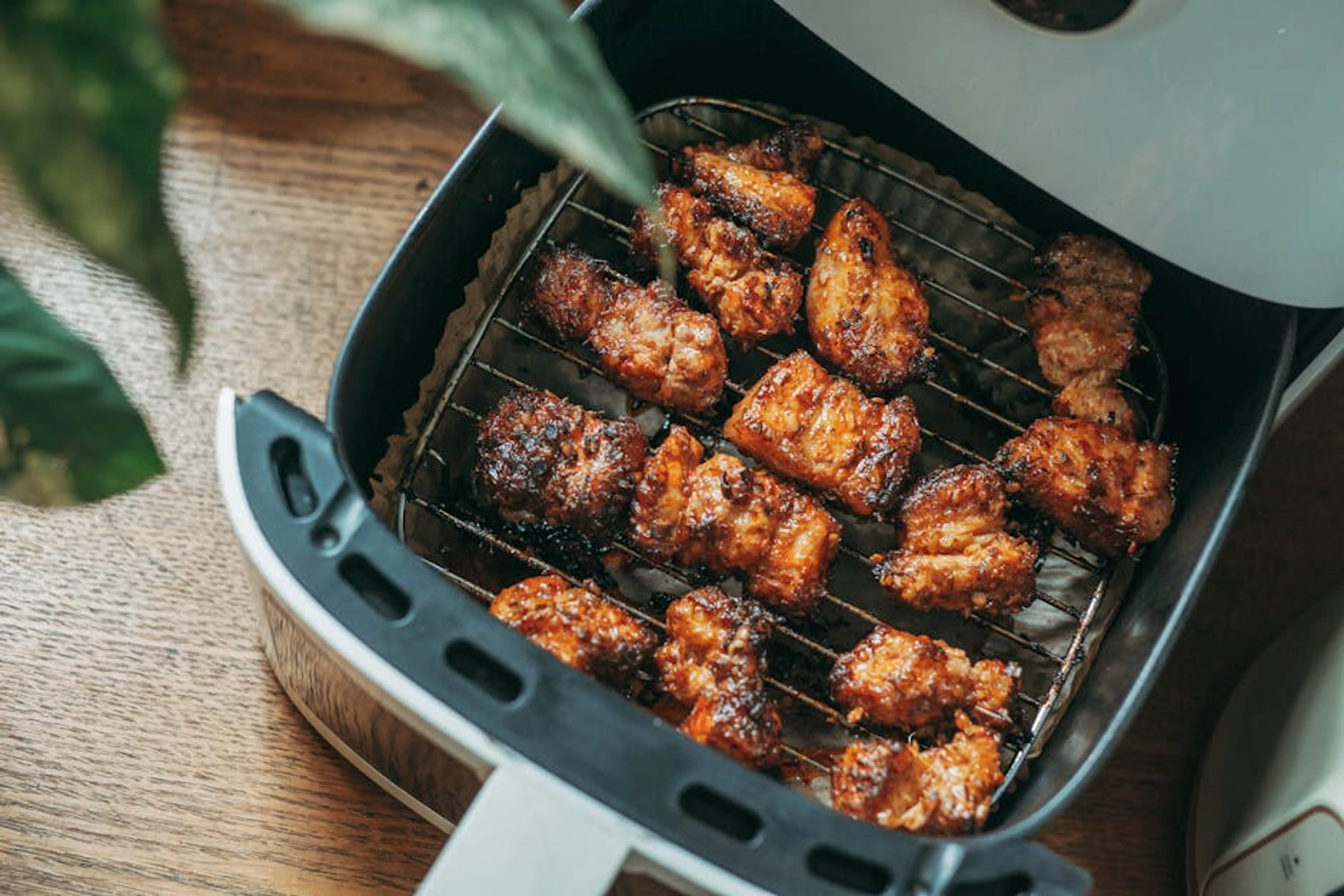
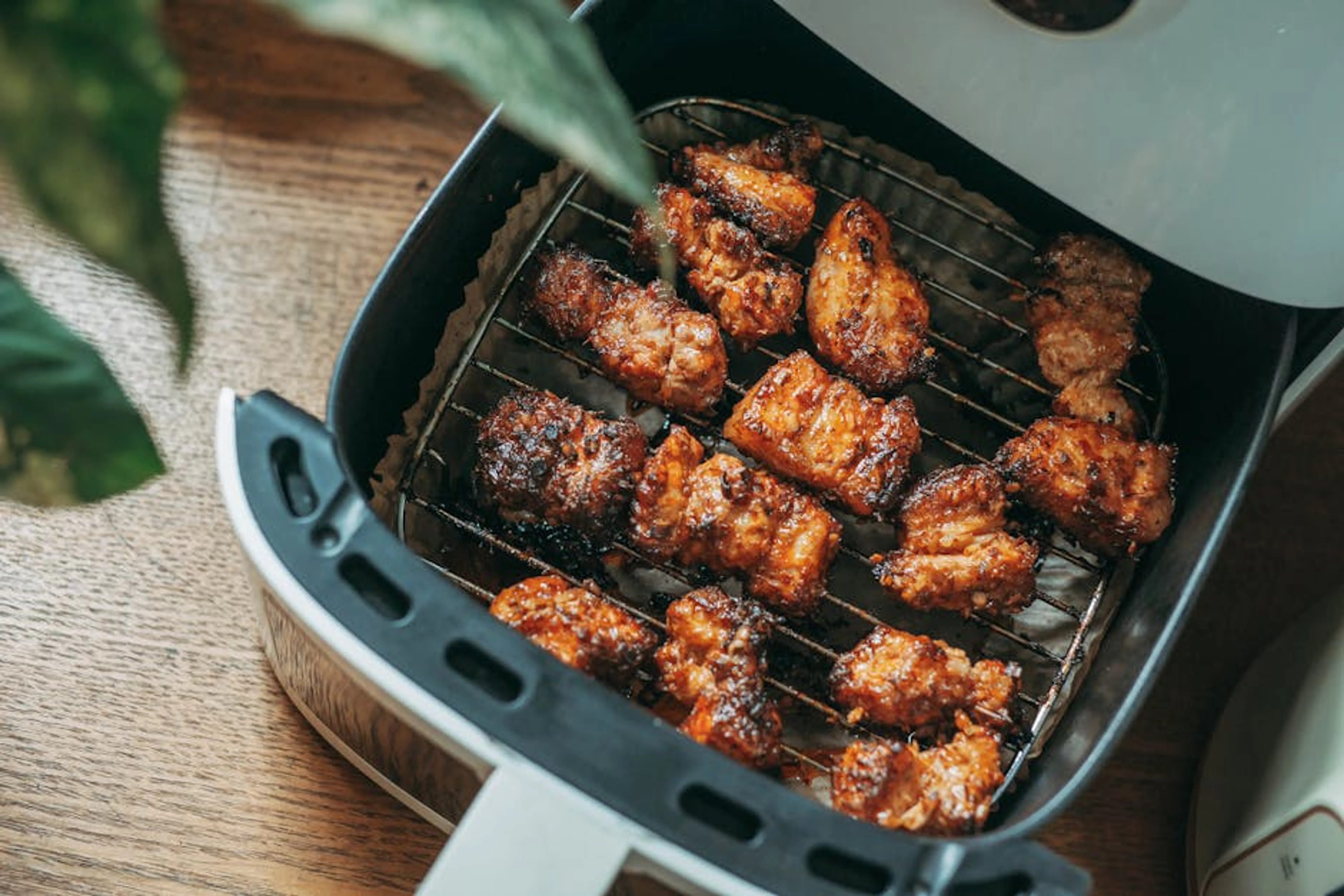
The air fryer operates on a simple yet effective principle: rapid hot air circulation. It's essentially a compact convection oven, using a heating element and a powerful fan to distribute hot air quickly and evenly around your food. This process creates a crispy, golden-brown exterior similar to deep frying, but with significantly less oil. You'll find the air fryer excels at:
Achieving crispy textures on foods like fries, chicken wings, and roasted vegetables.
Reheating leftovers, making them taste freshly made.
Cooking frozen foods quickly and efficiently.
Browning and crisping items that might otherwise be soggy.
B. The Versatility of the Instant Pot: Pressure Cooking, Slow Cooking, and More
The Instant Pot is a multi-cooker that combines several kitchen appliances into one. Its primary function is pressure cooking, which drastically reduces cooking times by trapping steam and building pressure, forcing liquid into food. Beyond pressure cooking, most models offer functions for slow cooking, sautéing, steaming, making rice, yogurt, and even sterilizing. The Instant Pot is unparalleled for:
Tenderizing tough cuts of meat in a fraction of the time.
Cooking grains and legumes perfectly without constant monitoring.
Preparing one-pot meals like stews, soups, and chilis.
Creating rich, deep flavors that typically require hours on the stovetop or in a slow cooker.
C. Key Differences and When to Choose Which Appliance
The fundamental distinction lies in their cooking methods and the results they deliver. The air fryer utilizes dry heat for crisping and browning, while the Instant Pot employs moist heat, primarily through pressure, for tenderizing and infusing flavors. You should choose your air fryer when you desire a crispy exterior, quick cooking for smaller portions, or a healthier alternative to deep frying. Opt for your Instant Pot when you need to tenderize ingredients, cook large batches, prepare liquid-based dishes, or save time on recipes that usually require long simmer times.
II. Mastering the Air Fryer: Crispy, Flavorful Meals in Minutes
Unlocking the full potential of your air fryer requires understanding a few core techniques. Once mastered, you'll be able to create a wide array of delicious, crispy dishes with ease.
A. Essential Air Fryer Techniques for Perfect Results
Preheat Your Air Fryer: Just like a traditional oven, preheating for 3-5 minutes ensures even cooking and immediate crisping.
Don't Overcrowd the Basket: Air circulation is key. Cook in single layers or small batches to allow hot air to reach all surfaces.
Use Minimal Oil: A light spray or toss with a teaspoon of oil is often sufficient for crisping. Over-oiling can lead to greasy results.
Shake or Flip Food: For even browning, shake the basket or flip larger items halfway through the cooking process.
Clean Regularly: A clean air fryer performs better and prevents smoke from built-up grease.
B. Top 5 Beginner-Friendly Air Fryer Recipes
Start your air frying journey with these simple yet satisfying dishes:
Crispy Chicken Wings: Toss with a little oil and seasoning, then air fry at 375°F (190°C) for 20-25 minutes, flipping halfway, until golden and crispy.
Roasted Vegetables: Broccoli florets, Brussels sprouts, or chopped bell peppers tossed with oil, salt, and pepper cook beautifully at 380°F (195°C) for 10-15 minutes.
Perfect Salmon Fillets: Season salmon fillets and air fry at 375°F (190°C) for 10-12 minutes, depending on thickness, for flaky, moist results.
Homemade French Fries: Cut potatoes into fries, soak in cold water, pat dry, toss with oil and salt, then air fry at 380°F (195°C) for 15-20 minutes, shaking frequently.
Frozen Snacks: From spring rolls to chicken nuggets, your air fryer will cook them faster and crispier than a conventional oven. Follow package directions, but reduce cooking time slightly.
C. Tips for Even Cooking and Avoiding Common Pitfalls
Always cut food into uniform sizes to ensure everything cooks at the same rate. Uneven pieces will lead to some parts being overcooked and others undercooked.
To prevent sticking, lightly spray your air fryer basket with non-aerosol cooking oil. Avoid using aerosol sprays, which can damage the non-stick coating over time. For foods that tend to be messy, like cheesy items, you can line the basket with parchment paper specifically designed for air fryers, ensuring it doesn't block air circulation. Additionally, be mindful of foods with wet batters; these are generally not suitable for air frying as the batter can drip and create a mess without crisping properly.
III. Conquering the Instant Pot: Tender, Delicious Dishes with Minimal Effort
The Instant Pot might seem intimidating at first glance with its array of buttons, but understanding its core functions will quickly make it your go-to appliance for tender, flavorful meals.
A. Navigating Your Instant Pot: Key Functions and Settings Explained
Most Instant Pot models share common functions that are essential for everyday cooking:
Pressure Cook/Manual: This is the primary function for high-pressure cooking. You set the cooking time, and the Instant Pot does the rest.
Sauté: Allows you to brown meats and vegetables directly in the inner pot before pressure cooking, eliminating the need for a separate pan.
Steam: Perfect for vegetables, fish, or dumplings, using the trivet to keep food above the liquid.
Slow Cook: Functions like a traditional slow cooker, ideal for recipes requiring longer, lower-temperature cooking.
Keep Warm: Automatically engages after cooking to keep food warm until serving.
Familiarize yourself with the sealing ring, float valve, and steam release handle. The sealing ring ensures the pot comes to pressure, the float valve indicates when pressure has been reached, and the steam release handle controls the pressure release.
B. Step-by-Step Guide to Basic Instant Pot Cooking
Here are some foundational recipes to build your confidence:
Fluffy Rice: For perfect white rice, combine equal parts rice and water (e.g., 1 cup rice, 1 cup water). Pressure cook on High for 3-5 minutes, followed by a 10-minute Natural Release.
Tender Pulled Pork/Chicken: Sauté aromatics, add your meat (pork shoulder or chicken breasts), liquid (broth or sauce), and seasonings. Pressure cook on High for 60-90 minutes for pork or 10-15 minutes for chicken, followed by a Natural Release. Shred directly in the pot.
Hearty Soups and Stews: Use the Sauté function to brown your meat and vegetables, then add broth, legumes, and other ingredients. Pressure cook on High for 15-25 minutes, depending on the ingredients, allowing for a Natural Release for richer flavors.
C. Achieving the Perfect Texture: Natural vs. Quick Release
Understanding pressure release methods is crucial for optimal results:
Natural Pressure Release (NPR): The Instant Pot slowly depressurizes on its own. This method is ideal for foamy foods (like oatmeal), large cuts of meat, and grains. It allows for a gentler cooking process, preventing food from erupting and ensuring meats remain tender. The float valve will drop naturally over 10-20 minutes.
Quick Pressure Release (QR): You manually turn the steam release handle to the 'venting' position, rapidly releasing the pressure. Use QR for delicate foods like vegetables, seafood, or dishes where you want to stop the cooking process immediately to prevent overcooking. Be cautious of steam, and never perform a QR with foamy or thick liquids.
IV. Deliciously Combined: Meals Utilizing Both Appliances
While each appliance is powerful on its own, their true magic often shines when they are used in tandem. Combining the Instant Pot's ability to tenderize and infuse flavor with the Air Fryer's crisping prowess can create truly extraordinary meals.
A. The Power Duo: Complementary Cooking with Air Fryer and Instant Pot
Think of the Instant Pot as your workhorse for foundational cooking – getting meats fall-apart tender, cooking grains perfectly, or building rich sauces. The air fryer then steps in to add that irresistible finishing touch: a crispy skin, a golden-brown crust, or a quick sear that elevates the dish. This complementary approach significantly expands your culinary repertoire, allowing you to achieve complex textures that would otherwise require multiple pots and pans or more time-consuming methods.
B. Recipe Idea 1: Instant Pot Base + Air Fryer Finish
This method involves cooking the main component to tenderness in the Instant Pot, then transferring it to the Air Fryer for a final crisping or browning step:
Instant Pot Ribs with Air Fryer Glaze: Cook ribs in the Instant Pot until incredibly tender (e.g., 25-30 minutes on High Pressure with a cup of liquid). Once cooked, brush them with your favorite BBQ sauce and air fry at 400°F (200°C) for 5-10 minutes, flipping once, until the sauce is caramelized and the ribs have a delicious crust.
Instant Pot Crispy Carnitas: Prepare pork shoulder in the Instant Pot with spices and a little liquid until shreddable (e.g., 45-60 minutes on High Pressure). Shred the pork, then spread it in a single layer in the air fryer basket. Air fry at 400°F (200°C) for 10-15 minutes, stirring occasionally, until beautifully crispy and browned.
C. Recipe Idea 2: Air Fryer Component + Instant Pot Side
Here, you prepare a crispy main dish in the air fryer while a complementary side dish cooks simultaneously and effortlessly in the Instant Pot:
Air Fryer Chicken Thighs with Instant Pot Quinoa: While seasoned chicken thighs crisp up in the air fryer (e.g., 380°F/195°C for 18-22 minutes), cook quinoa in your Instant Pot (1:1.25 quinoa to water ratio, 1 minute High Pressure, 10 minutes NPR). Both finish around the same time, giving you a complete, balanced meal.
Air Fryer Crispy Tofu with Instant Pot Steamed Vegetables: Press and cube tofu, toss with cornstarch and seasonings, and air fry until golden and crispy (e.g., 375°F/190°C for 15-20 minutes). Simultaneously, steam your favorite vegetables (broccoli, carrots, green beans) in the Instant Pot using the Steam function for 0-3 minutes with a Quick Release.
V. Quick Reference: Air Fryer vs. Instant Pot at a Glance
To help you quickly decide which appliance to use for your next meal, here's a comparative overview.
A. Comparison Table: Cooking Times, Best Uses, and Key Features
FeatureAir FryerInstant PotCooking MethodConvection (hot air circulation)Pressure cooking, slow cooking, steaming, sautéingBest ForCrispy textures, "fried" foods, reheating, small batchesTenderizing, stews, soups, grains, large cuts of meat, meal prepTypical Cook TimeShort (10-30 min)Medium (20-60 min, plus pressure build/release)TextureCrispy, crunchy, brownedTender, moist, saucyOil UsageMinimal to noneCan be used for sautéing, but not primary cooking methodCleanupBasket and trayInner pot, lid, sealing ring
B. Data Summary: Energy Efficiency and Health Benefits
Both appliances offer distinct advantages in terms of energy consumption and health.
Energy Efficiency: For smaller meals, both the air fryer and Instant Pot are generally more energy-efficient than a traditional oven. An air fryer heats up much faster than a large oven, reducing overall energy usage for quick tasks. The Instant Pot, especially for dishes that typically simmer for hours on a stovetop, uses significantly less energy by cooking under pressure in a sealed environment.
Health Benefits: The air fryer allows you to enjoy traditionally fried foods with a fraction of the oil, drastically reducing fat and calorie intake. This makes it an excellent tool for healthier eating without sacrificing taste or texture. The Instant Pot, by cooking foods quickly in a sealed environment, can help preserve more vitamins and nutrients that might otherwise be lost through longer cooking times or exposure to air and excessive water in traditional methods.
VI. Frequently Asked Questions (FAQ)
A. Can I use aluminum foil in my air fryer/Instant Pot?
Air Fryer: Yes, you can use aluminum foil in an air fryer, but with some precautions. Ensure it is placed securely and does not block the airflow or touch the heating element, as this can be a fire hazard. Avoid using foil with acidic foods (like tomatoes or citrus), as the acid can react with the aluminum. It's best used for easy cleanup or to wrap delicate items.
Instant Pot: Absolutely. Aluminum foil is commonly used in the Instant Pot for pot-in-pot cooking, separating ingredients, or covering dishes. Ensure it doesn't block the steam release valve or float valve on the lid.
B. What are the best types of food to cook in each appliance?
Air Fryer: excels with foods that benefit from crisping and browning. Think chicken wings, frozen fries, roasted vegetables (broccoli, Brussels sprouts), salmon fillets, bacon, spring rolls, and smaller cuts of meat like pork chops or steak bites.
Instant Pot: is ideal for dishes requiring tenderizing and liquid-based cooking. This includes stews, chilis, pot roasts, rice, beans, pasta dishes, hard-boiled eggs, yogurt, soups, and even cheesecakes.
C. How do I clean my air fryer and Instant Pot effectively?
Air Fryer: Always unplug your air fryer and allow it to cool completely before cleaning. The basket and drawer are typically dishwasher safe or can be washed with warm, soapy water. For the interior, wipe with a damp cloth and a non-abrasive sponge. Avoid submerging the main unit in water.
Instant Pot: The stainless steel inner pot is dishwasher safe. The lid, including the sealing ring and anti-block shield, should be hand-washed with warm, soapy water. Pay special attention to the sealing ring, as it can absorb odors over time; consider soaking it in white vinegar or baking soda solution. Wipe the exterior of the base with a damp cloth, never immersing it in water.
Conclusion: Your Path to Stress-Free, Delicious Weeknight Meals
By integrating the Air Fryer and Instant Pot into your cooking routine, you gain a powerful advantage in the kitchen. You now possess the knowledge and techniques to create an endless variety of meals that are not only delicious but also incredibly convenient and often healthier. Embrace the versatility, experiment with new recipes, and say goodbye to the stress of weeknight dinners. Your journey to effortless, flavorful cooking starts now.
Content is for information only; Author/Site is not liable for decisions made; Reader is responsible for their own actions.
------end of article------