DIY Home Decor: Easy Projects You Can Do
Ready to refresh your home without breaking the bank? This comprehensive guide provides actionable, easy-to-follow DIY home decor projects, from stunning wall art and furniture makeovers to functional storage solutions and ambient lighting. Learn how to personalize your space with confidence and creativity, regardless of your skill level.

Are you looking to refresh your living space, infuse it with personality, and do it all without emptying your wallet? The desire for a beautiful, inviting home is universal, but often the cost of professional decorators or new furniture can seem prohibitive. This guide offers a comprehensive solution, providing you with a treasure trove of easy, impactful DIY home decor projects that empower you to transform your surroundings on a budget.
You can trust this guide to navigate your DIY decor journey because it distills practical, expert-backed advice into clear, actionable steps. Each project is selected for its accessibility, affordability, and potential for significant aesthetic impact, ensuring that even beginners can achieve professional-looking results. You will find detailed instructions, material lists, and crucial tips designed to build your confidence and unleash your inner decorator.
Throughout this article, you will learn how to create stunning wall art, give old furniture a new lease on life, craft functional and stylish decor pieces, and enhance your home's ambiance with creative lighting solutions. By the end, you will be equipped with the knowledge and inspiration to personalize your space, making it truly reflect your unique style and taste.
Quick & Easy Wall Art Projects
Wall art is an instant game-changer for any room, adding character, color, and focal points. You don't need to be an artist to create captivating pieces; simple techniques and readily available materials are all it takes to elevate your walls.
DIY Geometric Wall Art Using Tape and Paint
Geometric wall art offers a modern, sophisticated look that is surprisingly simple to achieve. This project allows for endless customization in terms of color palette and pattern complexity.
Materials needed: Painter's tape (various widths), acrylic or latex paint (2-4 colors), canvas or a clean wall section, paintbrushes or foam rollers, pencil, ruler, drop cloth.
Step-by-step instructions:
Prepare your surface: Ensure the wall or canvas is clean, dry, and free of dust. If painting on a wall, apply a base coat if desired and let it dry completely.
Plan your design: Lightly sketch your geometric pattern onto the surface with a pencil. Start with simple shapes like triangles or rectangles if you're a beginner.
Apply painter's tape: Carefully place painter's tape along your pencil lines, pressing down firmly to ensure no paint bleeds underneath. You can create intersecting lines to form various geometric sections.
Paint your sections: Apply paint to the exposed sections created by the tape. Use different colors for different sections to create visual interest. Apply thin, even coats to prevent pooling.
Remove tape: While the paint is still slightly wet (but not dripping), carefully peel off the painter's tape at a 45-degree angle. This helps create crisp lines.
Touch-ups: Allow the paint to dry completely. If there are any minor bleeds, use a small brush and your base color to touch them up.
Tips for clean lines and color combinations: For super crisp lines, after applying the tape, paint a thin layer of your base color over the edges of the tape first. This seals the tape and prevents your chosen colors from bleeding. For color combinations, consider a monochromatic scheme for subtlety, complementary colors for vibrancy, or a neutral palette with one accent color for a balanced look.
Washi Tape Accent Wall
Washi tape is a versatile, low-commitment material perfect for creating intricate or playful accent walls. It’s easy to apply and remove, making it ideal for renters or those who like to frequently change their decor.
Design ideas and patterns: You can create stripes (horizontal, vertical, diagonal), chevron patterns, plaid, polka dots, or even abstract geometric shapes. Think about creating a 'wallpaper' effect with repeating motifs or a single large design element.
Application techniques: Ensure your wall is clean and dry. Start by planning your pattern. For straight lines, use a level and a pencil to mark your starting and ending points. Unroll the tape slowly, pressing it firmly onto the wall as you go. Use a credit card or a soft cloth to smooth out any air bubbles.
Durability and removal: Washi tape is generally durable for indoor use and can last for months or even years. When you're ready for a change, it peels off cleanly without damaging paint or leaving residue, making it an excellent temporary decor solution.
Framed Fabric or Wallpaper Samples
Elevate beautiful fabric scraps or wallpaper samples into sophisticated wall art by simply framing them. This is a fantastic way to introduce pattern and texture into your space.
Selecting materials: Look for fabric remnants with interesting patterns, textures, or colors that complement your room's existing decor. Wallpaper samples, often available for free or at low cost from home improvement stores, offer a wide array of designs. Consider scale – a large print for a single statement piece, or smaller, coordinating prints for a gallery.
Framing and hanging methods: Purchase frames that fit your samples. Standard picture frames work well; you can also use floating frames for a more modern look. Cut your fabric or wallpaper to fit the frame's mat opening or directly into the frame. Secure with tape on the back if needed. Hang frames using picture hooks, adhesive strips, or even lean them on shelves for a casual display.
Creating a gallery wall effect: Combine several framed samples of varying sizes and patterns to create a cohesive gallery wall. Lay out your arrangement on the floor first to visualize the spacing and balance before hanging. Mix in other types of art or mirrors for added interest.

Upcycling Furniture for a Fresh Look
Give tired, outdated furniture a new lease on life with simple upcycling techniques. You can transform thrift store finds or existing pieces into custom statement items that look expensive but cost very little.
Painting and Stenciling Small Furniture Items (e.g., side tables, chairs)
A fresh coat of paint and a stencil can completely revitalize small furniture pieces, turning them from drab to fab.
Surface preparation and priming: The key to a lasting finish is proper preparation. Clean the furniture thoroughly to remove dirt and grease. Lightly sand the entire surface with fine-grit sandpaper to create a 'tooth' for the paint to adhere to. Wipe away dust. Apply a good quality primer, especially if you're painting a dark piece a light color, or if the piece has a glossy finish. Allow primer to dry completely.
Choosing the right paint and brushes: For furniture, chalk paint, milk paint, or acrylic latex paint are excellent choices. Chalk paint offers a matte, distressed look without much prep, while acrylic latex is durable and comes in a vast color range. Use a high-quality synthetic brush for smooth finishes, or a natural bristle brush for chalk paint. Foam rollers are great for large, flat surfaces.
Stenciling techniques for intricate designs: Once your base coat of paint is dry, position your stencil using painter's tape. Apply a small amount of paint to your brush or sponge, offloading excess onto a paper towel. Stipple or dab the paint onto the stencil, working from the outside in. Apply thin layers to prevent bleeding under the stencil. Remove the stencil carefully while the paint is still slightly damp.
Contact Paper Drawer or Cabinet Refacing
Contact paper offers a quick, affordable, and removable way to update drawers, cabinet doors, or even tabletops with new patterns and textures.
Measuring and cutting techniques: Measure the surface you intend to cover precisely, adding an extra inch or two on all sides for trimming. Use a ruler and a craft knife or scissors to cut the contact paper. Many contact papers have a grid on the backing for easy, straight cuts.
Application for a seamless finish: Clean the surface thoroughly. Peel back a few inches of the backing paper from one edge. Align the contact paper with the edge of your surface and slowly press it down, smoothing it with a squeegee, credit card, or clean cloth as you peel away the rest of the backing. Work slowly to push out air bubbles. Trim any excess with a craft knife for a clean edge.
Varieties and styles of contact paper: Contact paper comes in an incredible array of finishes, including wood grain, marble, granite, metallics, geometric patterns, and solid colors. You can mimic expensive materials for a fraction of the cost, choosing a style that perfectly matches your desired aesthetic.
Adding New Hardware for Instant Impact
Sometimes, the smallest changes make the biggest difference. Upgrading hardware on furniture pieces like dressers, cabinets, or doors can instantly modernize or elevate their style.
Types of hardware and their style implications: Knobs, pulls, and handles come in various materials (metal, ceramic, glass, wood), finishes (brushed brass, matte black, polished chrome), and designs (minimalist, vintage, ornate). Choose hardware that complements the overall style you're aiming for – sleek metallic pulls for a contemporary look, or antique-style ceramic knobs for a farmhouse feel.
Installation guide: Most hardware is easy to install. Simply unscrew the old hardware and replace it with the new. Ensure the new hardware's screws align with the existing holes. If you're drilling new holes, measure carefully and use a drill bit appropriate for the screw size. For a uniform look, ensure all new hardware is aligned consistently.
Crafting Functional Decor Pieces
Decor that serves a purpose is always a win. You can create beautiful, handmade items that not only enhance your home's aesthetic but also help with organization and daily living.
DIY Floating Shelves
Floating shelves are a sleek, minimalist way to add storage and display space without visible brackets, creating a clean and modern look.
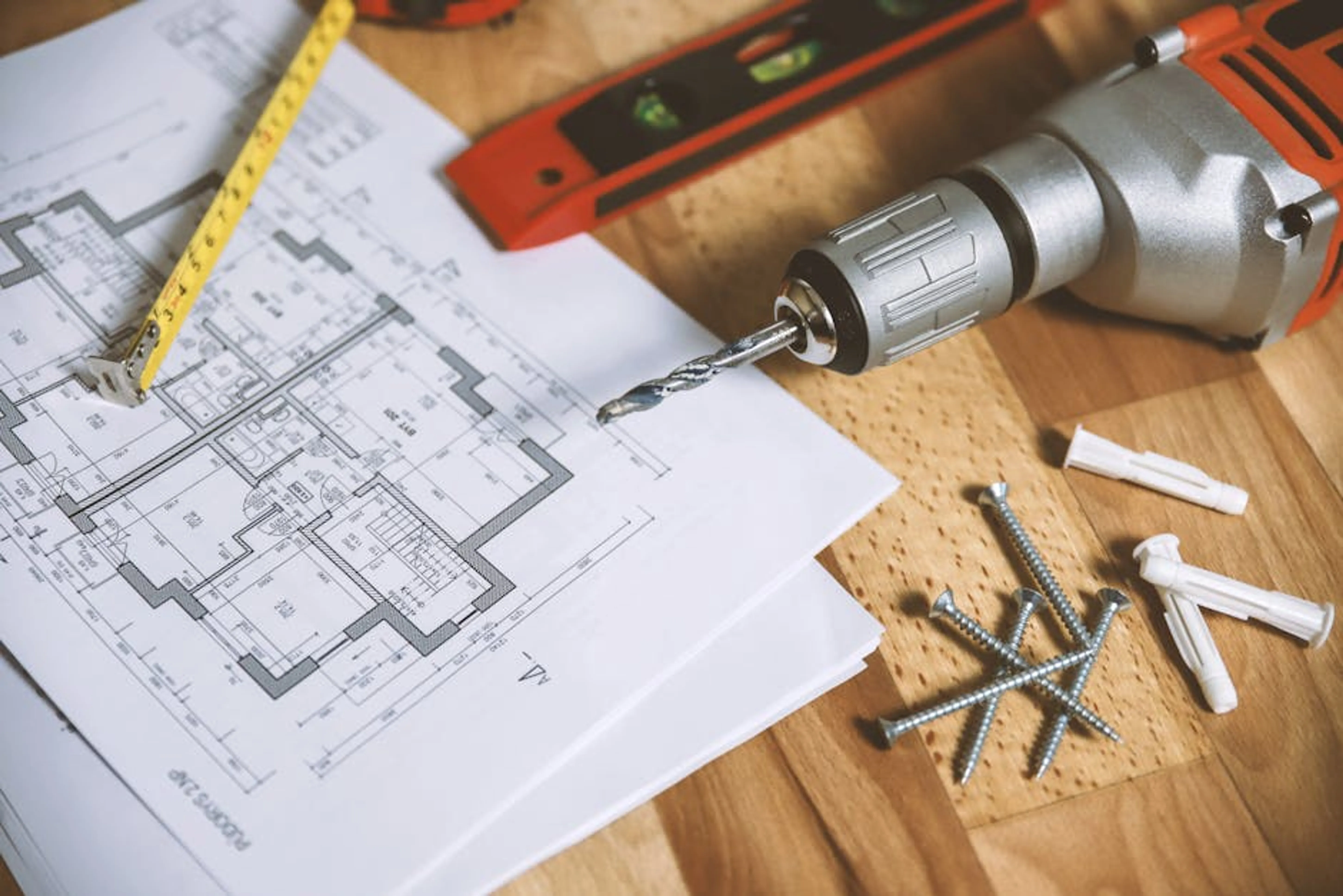
Materials and tools: You will need wood planks (pine, oak, MDF), shelf brackets (internal or concealed), screws, a drill, a level, a stud finder, a measuring tape, and sandpaper. For a finished look, consider wood stain or paint.
Mounting techniques for stability: The most critical step is securely mounting the shelves into wall studs. Use a stud finder to locate studs and mark their positions. If no studs are available where you want the shelf, use heavy-duty drywall anchors specifically designed for the weight your shelf will hold. Attach the internal brackets to the wall, ensuring they are perfectly level. Slide your prepared wood plank onto the brackets.
Styling your shelves: Once installed, style your floating shelves with a mix of decorative objects, books, plants, and photos. Vary heights and textures, leaving some negative space to prevent a cluttered look. Group similar items for visual coherence.
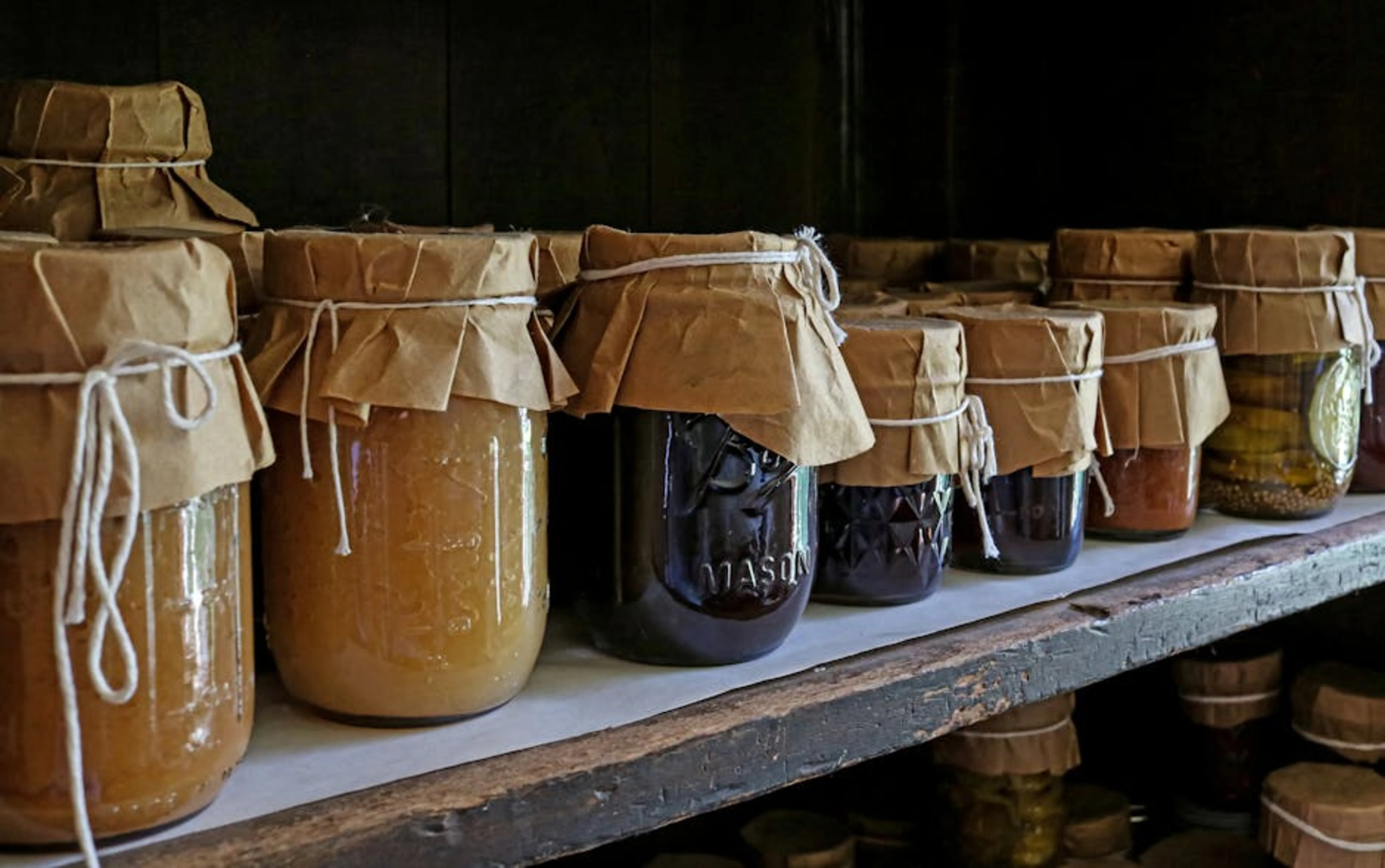
Mason Jar Organizers and Vases
Mason jars are incredibly versatile and inexpensive, perfect for transforming into charming storage solutions or elegant vases.
Decorating techniques (painting, twine, etc.): Clean and dry your mason jars. You can paint them with chalk paint or spray paint for an opaque finish, or use glass paint for translucent effects. Wrap twine or jute rope around the neck or body of the jar for a rustic look, securing with hot glue. You can also add fabric scraps, lace, or even glitter for extra sparkle.
Practical uses around the home:
Kitchen: Store dry goods like pasta, rice, or spices. Use them for cutlery caddies or utensil holders.
Bathroom: Organize cotton balls, Q-tips, toothbrushes, or makeup brushes.
Office/Craft Room: Keep pens, pencils, paper clips, beads, or craft supplies tidy.
Vases: Fill with fresh flowers, faux botanicals, or even battery-operated fairy lights for ambient lighting.
Rope Baskets for Storage
Handmade rope baskets offer a stylish and sturdy way to manage clutter in any room, adding a touch of natural texture.
Materials and construction methods: You'll need cotton rope (various thicknesses), a hot glue gun with plenty of glue sticks, and a pair of sharp scissors. Start by coiling the end of the rope tightly and securing it with hot glue to form the base. Continue coiling the rope, adding hot glue every few inches to secure it to the previous coil, gradually expanding the base. Once the base is your desired size, begin stacking the coils on top of each other, gluing as you go, to form the sides of the basket.
Creating different sizes and shapes: Adjust the size of your base to make wider or narrower baskets. To create different shapes, you can vary the angle at which you stack the rope coils – steeper angles for taller, narrower baskets, or a more gradual incline for shallower, wider ones. You can also incorporate different colored ropes for striped effects or add handles by creating loops and securing them firmly with glue.
Lighting Upgrades for Ambiance
Lighting plays a crucial role in setting the mood and ambiance of a room. Simple DIY upgrades can dramatically alter the feel of your space, making it more inviting and functional.
DIY Lamp Shade Makeover
Don't replace an entire lamp if the shade is dated. A DIY makeover can completely refresh its look and integrate it better with your current decor.
Updating existing shades with fabric or paint: For fabric, measure your lampshade, cut your chosen fabric with an allowance for seams, and use spray adhesive or fabric glue to attach it smoothly. Trim excess fabric. For painting, ensure the shade is clean. Use fabric paint or spray paint designed for fabric/plastic. Apply thin, even coats. You can also use painter's tape to create stripes or geometric patterns before painting.
Adding embellishments (tassels, trim): Once your base makeover is done, add decorative elements. Hot glue tassels, pom-pom trim, or ribbon along the top and bottom edges of the shade. You can also add beads, sequins, or even stenciled designs for a personalized touch.
String Light Installations
String lights aren't just for holidays; they can create a magical, cozy, or festive atmosphere year-round, both indoors and outdoors.
Creative placement ideas (indoors and outdoors):
Indoors: Drape them around a headboard, frame a window or mirror, string them across a ceiling, or place them inside a glass jar for a soft glow.
Outdoors: Hang them across a patio or deck, wrap them around tree trunks or railings, or create a canopy effect over an outdoor seating area.
Safety considerations: Always use string lights rated for the environment you're placing them in (indoor vs. outdoor). Ensure electrical cords are not frayed or damaged. Do not overload electrical outlets. Keep lights away from flammable materials like curtains or dry foliage. Use appropriate clips or hooks for secure installation, avoiding nails or staples that could damage insulation.
Creating Ambient Lighting with Candles and Lanterns
Candles and lanterns offer a warm, flickering glow that instantly adds intimacy and coziness to any room or outdoor space.
DIY candle holders: You can repurpose glass jars, old teacups, or small wooden blocks into unique candle holders. Decorate glass jars with paint, twine, or lace. Drill holes into wooden blocks to fit tea lights. Always ensure your DIY holders are heat-resistant and stable.
Choosing safe and effective lantern placements: Place lanterns on stable, flat surfaces, away from drafts, curtains, or anything flammable. If using real candles, never leave them unattended. For a safer alternative, use battery-operated LED candles inside lanterns – they provide a similar flickering effect without the fire risk, making them perfect for homes with pets or children. Group lanterns of varying sizes and styles for a visually appealing display.
Project Comparison and Planning
Before embarking on your DIY journey, it's helpful to understand the scope of different projects in terms of difficulty, time, and cost. This section helps you plan effectively.
Difficulty Level vs. Time Commitment
Many DIY projects are easy to execute but might require patience and several steps, thus a longer time commitment. For example, painting furniture is not difficult but involves prep, multiple coats, and drying time. Washi tape walls are quick and easy, while building floating shelves requires more precision and potentially a longer time for secure installation.
Cost Estimation for Popular Projects
The cost of DIY projects can vary widely based on material choices. Washi tape and framed samples are generally very inexpensive. Painting furniture can be budget-friendly if you already have paint or use affordable options. Floating shelves or rope baskets might have a slightly higher initial material cost but are still significantly cheaper than buying ready-made items.
Skill Requirements Overview
Most projects in this guide require basic skills: measuring, cutting, painting, and gluing. For projects like floating shelves, familiarity with power tools (drill, stud finder) is beneficial but can be learned quickly. The key is to start with simpler projects to build confidence before tackling more involved ones.
Comparison Table: Project Type, Materials, Estimated Time, Skill Level, Cost
Project TypeKey MaterialsEstimated TimeSkill LevelEstimated Cost (USD)Geometric Wall ArtPainter's tape, paint2-4 hoursBeginner$15 - $40Washi Tape WallWashi tape1-3 hoursBeginner$10 - $30Framed Fabric ArtFabric/wallpaper, frames0.5-1 hourBeginner$10 - $50Furniture PaintingPaint, primer, sandpaper4-8 hours (incl. drying)Intermediate$30 - $80Contact Paper RefaceContact paper, craft knife1-3 hoursBeginner$15 - $50New HardwareKnobs/pulls, screwdriver0.5-1 hourBeginner$20 - $100+Floating ShelvesWood planks, brackets, drill3-6 hoursIntermediate$40 - $150Mason Jar OrganizersMason jars, paint/twine1-2 hoursBeginner$5 - $20Rope BasketsCotton rope, hot glue2-5 hoursIntermediate$20 - $60Lampshade MakeoverFabric/paint, trim, glue1-3 hoursBeginner$10 - $40String Light InstallString lights, hooks1-2 hoursBeginner$15 - $50DIY Candle HoldersGlass jars/wood, decor0.5-1 hourBeginner$5 - $20
FAQ Section
What are the most common mistakes beginners make in DIY home decor, and how can you avoid them?
Beginners often rush preparation, leading to poor adhesion or uneven finishes. They might also underestimate drying times, or choose projects that are too complex for their current skill level. To avoid these, always prioritize surface preparation (cleaning, sanding, priming), allow ample drying time between coats, and start with simpler projects to build confidence and technique before moving to more advanced ones. Reading instructions thoroughly and watching tutorials can also prevent common pitfalls.
Where can you find affordable materials for DIY home decor projects?
Affordable materials are everywhere! Check thrift stores, dollar stores, and discount retailers for jars, frames, and small furniture. Hardware stores often have sales on paint, wood scraps, and contact paper. Fabric stores have remnant bins for cheap fabric. Don't overlook online marketplaces for free or low-cost items, and consider repurposing items you already own, like old t-shirts for fabric projects or cardboard boxes for storage.
How do you ensure your DIY projects look professional and not homemade?
The key to a professional finish lies in attention to detail and patience. Always prepare your surfaces properly (clean, sand, prime). Use high-quality tools and materials where it matters most (e.g., good paintbrushes, strong adhesives). Take your time with each step, especially when measuring, cutting, and applying finishes. Don't skip touch-ups, and always allow adequate drying time. A smooth finish, crisp lines, and careful alignment will elevate your project from 'homemade' to 'handmade chic'.
Conclusion
You have now explored a diverse range of easy and impactful DIY home decor projects, from transforming your walls with simple paint and tape techniques to giving old furniture a new lease on life with paint or contact paper. You've discovered how to craft functional storage solutions like floating shelves and rope baskets, and learned how to enhance your home's ambiance with creative lighting upgrades using lampshade makeovers, string lights, and candle arrangements.
The journey of DIY home decor is not just about saving money; it's about infusing your living space with your unique personality and creativity. Each project you undertake allows you to customize your surroundings, making your home a true reflection of who you are. The satisfaction of creating something beautiful and functional with your own hands is immense, and you will find that even small changes can make a significant difference.
Now that you are equipped with practical knowledge, actionable advice, and a wealth of inspiration, there's nothing holding you back. Start small, choose a project that excites you, and embrace the process of making your house truly feel like home. Your personalized space awaits!
Content is for information only; Author/Site is not liable for decisions made; Reader is responsible for their own actions.
------end of article------