Declutter Your Home: Simple Organization Hacks You Need
Overwhelmed by clutter? This comprehensive guide provides simple, actionable organization hacks, drawing on expert insights to help you create a serene, functional home environment. Learn how to tackle high-traffic zones, personal spaces, and even digital clutter with effective, sustainable strategies.

Introduction
Does the sight of a cluttered home fill you with dread, impacting your peace of mind and productivity? You are not alone. The overwhelming feeling that accompanies disorganization can significantly detract from your well-being and the enjoyment of your living space. Fortunately, transforming your home into a calm, functional sanctuary is entirely within your reach. Drawing on principles of organizational psychology and insights from professional organizers, this guide will equip you with simple, actionable organization hacks designed to streamline your environment and enhance your daily life. You will discover practical strategies to tackle clutter in every corner of your home, establish sustainable habits, and reclaim your space.
The Foundation of Decluttering: Mindset and Preparation
Before you begin physically decluttering, establishing the right mindset and gathering the necessary tools are crucial steps. This foundational work sets you up for success and ensures your efforts lead to lasting change.
Understanding Your 'Why': Identifying Your Motivations for Decluttering
To truly commit to decluttering, you must understand the deep-seated reasons behind your desire for change. Are you seeking more peace, less stress, improved productivity, or simply a more aesthetically pleasing home? Identifying your core motivations provides a powerful source of inspiration when the task feels daunting. Visualizing the benefits—a serene bedroom, an efficient kitchen, or a welcoming entryway—can fuel your determination and keep you focused on your ultimate goal. Write down your 'why' and keep it visible as a constant reminder of the positive impact decluttering will have on your life.
The Power of 'One In, One Out': Establishing a Sustainable Habit
One of the most effective strategies for preventing future clutter accumulation is adopting the 'one in, one out' rule. This principle dictates that for every new item you bring into your home, a similar item must leave. For instance, if you purchase a new shirt, an old one should be donated or discarded. This simple habit forces you to continually evaluate your possessions, ensuring that your home's capacity is respected and preventing the gradual build-up of excess. It encourages mindful consumption and helps maintain the balance you've worked hard to achieve.
Gathering Your Tools: Essential Supplies for Efficient Decluttering
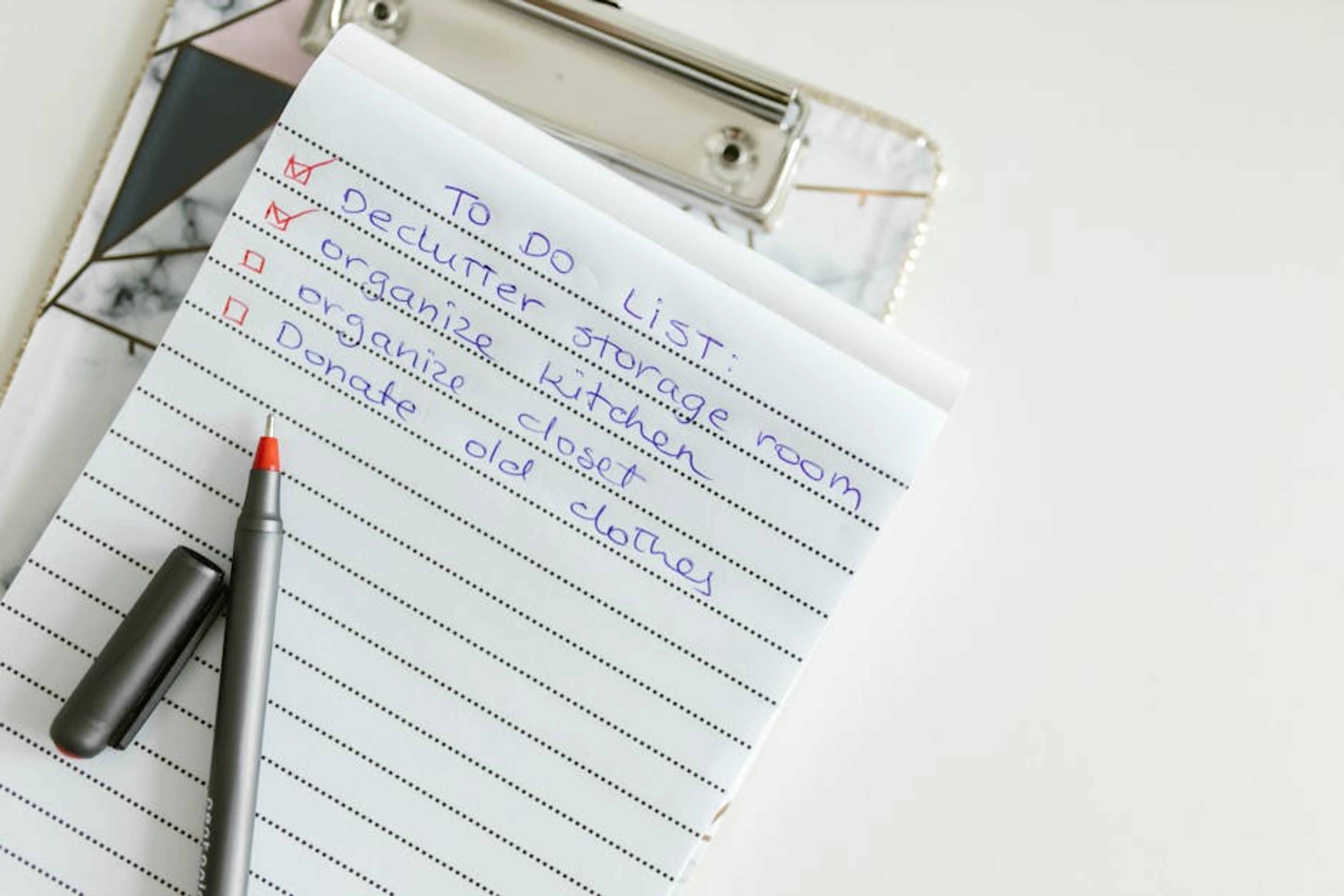
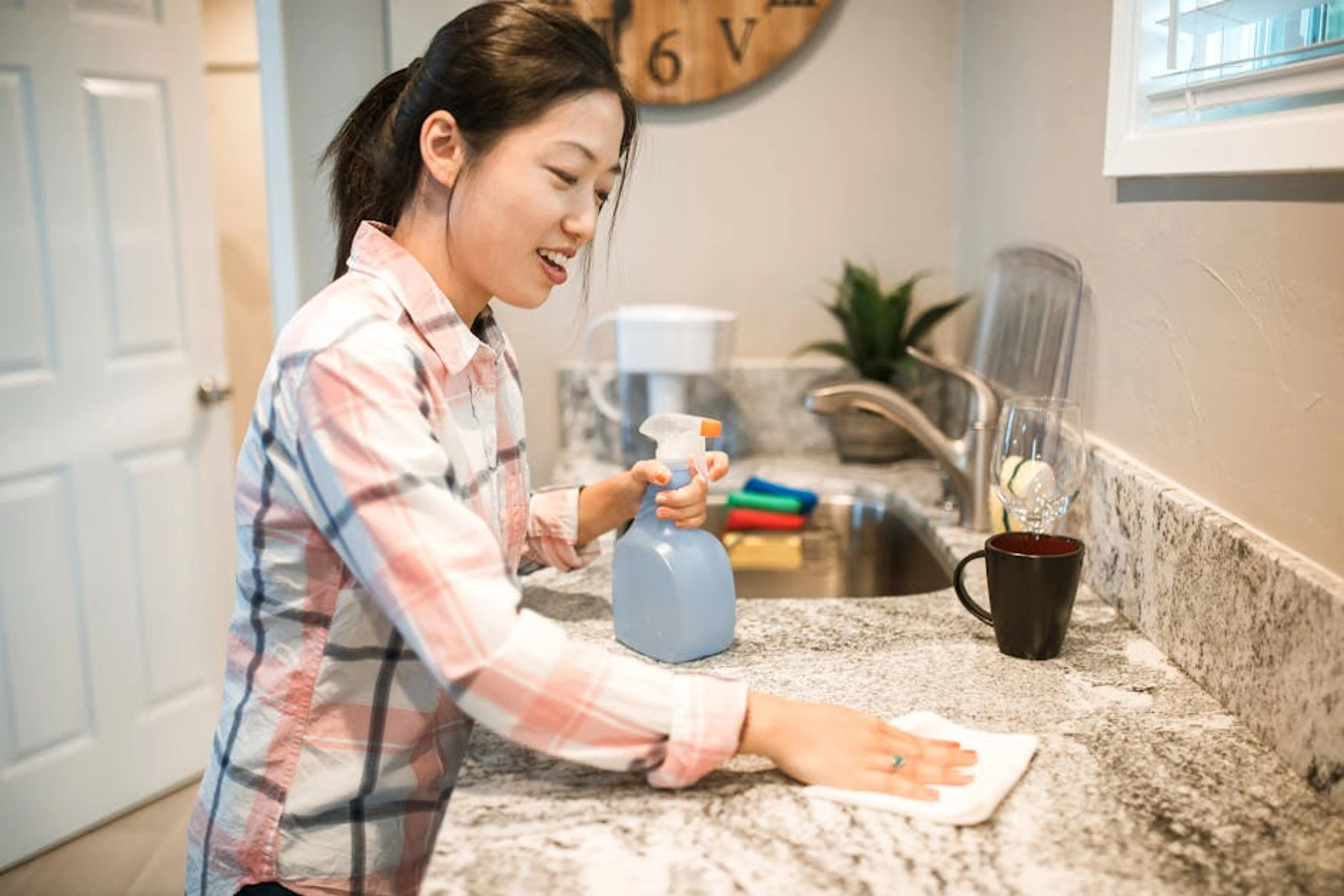
Preparation is key to an efficient decluttering session. Before you dive in, gather all the supplies you might need. This typically includes a few sturdy boxes or bins labeled for 'Keep,' 'Donate,' 'Trash,' and 'Relocate.' Having these clearly designated containers prevents items from migrating to new, equally cluttered spots. Additionally, keep cleaning supplies handy—wipes, a dust cloth, and all-purpose cleaner—so you can clean surfaces as you declutter. Labels, markers, and even a timer can also be invaluable tools to keep you organized and on track.
Tackling High-Traffic Zones: Practical Strategies for Key Areas
High-traffic areas often become magnets for clutter due to their constant use. Addressing these zones first can create an immediate sense of relief and momentum.
The Entryway: Creating a Welcoming and Functional First Impression
The entryway is the first and last impression of your home, and it often bears the brunt of daily comings and goings. You can transform it into a functional and inviting space by implementing a few key strategies.
Creating a drop zone for keys, mail, and bags: Designate a specific spot—a small tray, a wall-mounted organizer, or a hook system—where keys, wallets, and incoming mail can be placed immediately upon entering. This prevents items from scattering across surfaces.
Shoe and coat organization solutions: Install a shoe rack, a bench with cubbies, or a boot tray to contain footwear. Wall hooks or a coat tree can keep jackets, scarves, and bags off the floor, ensuring easy access and a tidy appearance.
The Kitchen: Streamlining for Efficiency and Enjoyment
The kitchen is the heart of the home, but it can quickly become a source of frustration if disorganized. An efficient kitchen enhances your cooking experience and saves time.
Drawer and cabinet organization techniques: Use drawer dividers for utensils, cutlery, and gadgets. For cabinets, consider risers, pull-out shelves, or stackable organizers to maximize vertical space and keep items visible and accessible. Group similar items together.
Pantry and refrigerator decluttering tips: Regularly check expiration dates and discard old food. Use clear containers for dry goods in the pantry to see contents at a glance. In the refrigerator, assign shelves for specific categories (dairy, produce, leftovers) and use bins to contain smaller items, making cleaning easier.
The Living Room: Maximizing Comfort and Minimizing Clutter
Your living room should be a space for relaxation and connection, not a battleground against stray items. Strategic organization can enhance comfort and minimize visual noise.
Managing electronics and media: Consolidate remote controls into a single tray or box. Use cable ties or sleeves to tame unruly cords behind entertainment centers. Store DVDs, CDs, or gaming accessories in dedicated media cabinets or decorative boxes.
Coffee table and bookshelf organization: Keep coffee table surfaces clear, reserving them for a few decorative items or current reads. For bookshelves, declutter regularly by removing unread books or those you no longer need. Arrange books by size, color, or genre, and intersperse them with decorative objects to add visual interest.
Conquering Personal Spaces: Bedrooms and Bathrooms
These intimate spaces are where you start and end your day. An organized bedroom and bathroom contribute significantly to your sense of calm and well-being.
The Bedroom: Designing a Serene Retreat
Your bedroom should be a sanctuary for rest and rejuvenation. Eliminating clutter here is paramount for a peaceful environment.
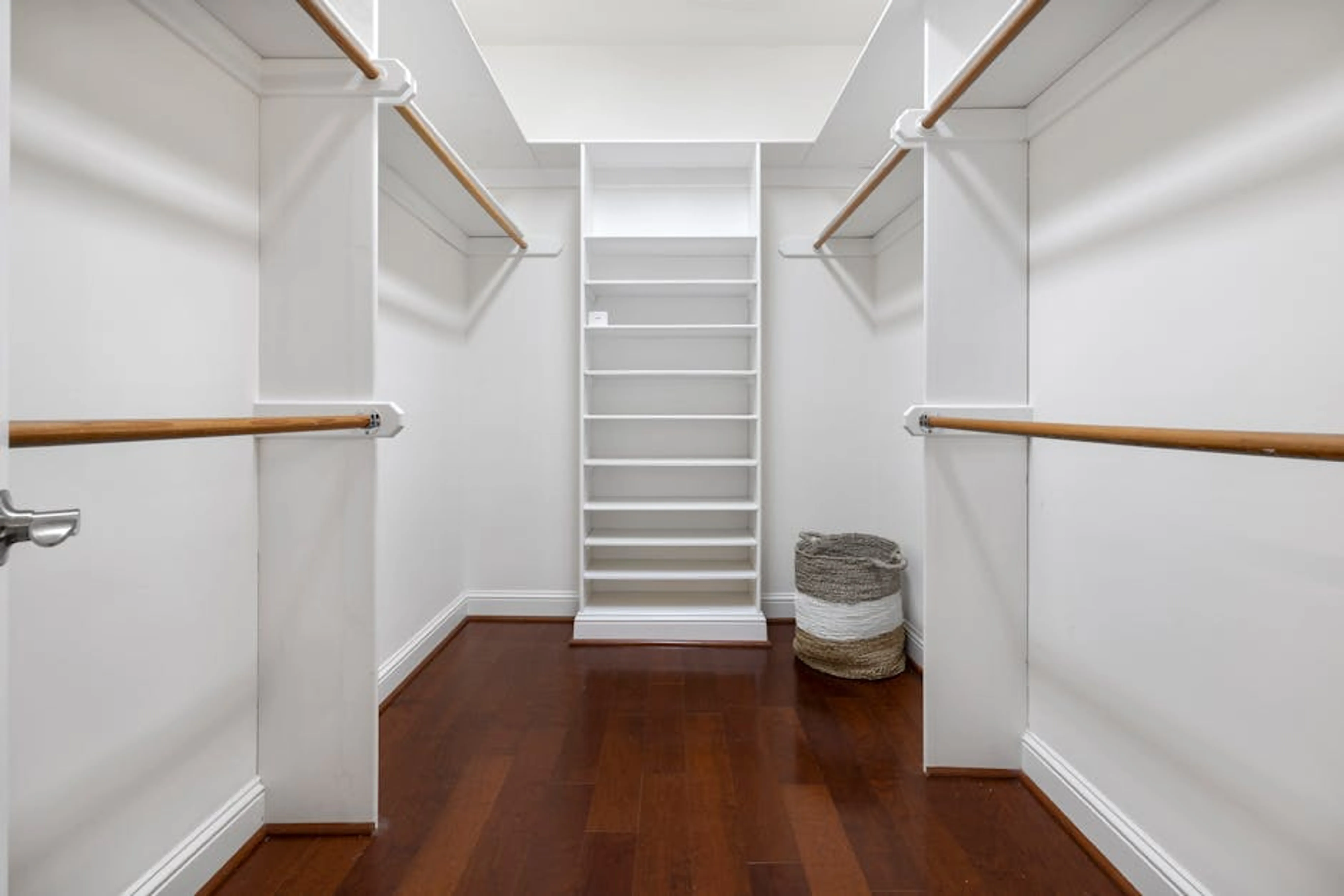
Closet organization strategies (folding, hanging, maximizing space): Implement a system that works for you, such as folding clothes KonMari-style for drawers or using slim hangers to maximize hanging space. Utilize vertical space with shelf dividers, hanging organizers, or storage bins for items like accessories or off-season clothing. Categorize clothes by type to simplify dressing.
Nightstand and dresser decluttering: Keep only essentials on your nightstand: a lamp, a book, and perhaps a glass of water. Store other items in drawers or a small basket. Dresser tops should also be kept minimal, showcasing only a few cherished items. Use drawer organizers to keep socks, underwear, and accessories tidy within drawers.
The Bathroom: Efficient Storage for Everyday Essentials
Bathrooms, often small, require clever storage solutions to keep daily essentials organized and accessible.
Under-sink and medicine cabinet organization: Use clear bins or drawers under the sink to separate cleaning supplies from toiletries. A tiered organizer can maximize vertical space. In the medicine cabinet, discard expired medications and beauty products. Use small containers to group like items, such as dental care or first-aid supplies.
Maximizing small spaces with vertical storage: When counter space is limited, look up! Wall-mounted shelves, over-the-toilet storage units, or shower caddies can provide valuable vertical real estate for towels, toiletries, and other necessities.
Digital and Paper Clutter: Taming the Intangibles
Clutter isn't always physical. Digital and paper piles can create just as much stress and inefficiency. Addressing these intangible forms of clutter is vital for comprehensive organization.
Digital Decluttering: Organizing Your Devices and Online Life
Your digital life mirrors your physical one, and an organized digital space can significantly boost your productivity and reduce mental fatigue.
File management and desktop organization: Create a logical folder structure on your computer for documents, photos, and other files. Use consistent naming conventions. Regularly move files from your desktop into appropriate folders, aiming for a clean and minimal desktop background.
Email inbox management strategies: Implement the 'four D's': Delete, Do, Delegate, or Defer. Unsubscribe from unnecessary newsletters. Create folders or use labels to categorize important emails, and aim for inbox zero daily or weekly to reduce overwhelm.
Paper Management: Creating a Streamlined System
Paper can quickly accumulate, creating visual clutter and potential stress. A robust paper management system is essential.
Setting up a mail sorting system: Immediately sort incoming mail into categories: 'Action,' 'File,' 'Shred,' or 'Recycle.' Place a shredder near your entry point to deal with junk mail and sensitive documents promptly.
Decluttering and digitizing important documents: Regularly review your paper files. Digitize documents that don't require a physical copy (e.g., old utility bills, receipts) by scanning them and storing them securely in the cloud or on an external hard drive. Keep physical copies of truly essential documents, such as birth certificates, wills, and property deeds, in a fireproof safe.
Maintaining the Momentum: Long-Term Organization Habits
Decluttering is not a one-time event; it's an ongoing process. Establishing sustainable habits is key to enjoying a perpetually organized home.
The 15-Minute Tidy: Implementing Daily Quick Wins
You can prevent clutter from accumulating by dedicating just 15 minutes each day to a quick tidy-up. This short burst of effort can involve putting away items that have migrated, wiping down surfaces, or dealing with incoming mail. The cumulative effect of these small daily actions is profound, preventing overwhelming messes and maintaining a baseline level of tidiness.
Seasonal Decluttering: Preparing for Changing Needs
Beyond daily maintenance, a deeper decluttering session a few times a year can be highly beneficial. Seasonal decluttering allows you to assess items related to the changing seasons, such as clothing, holiday decorations, or outdoor gear. This is an opportune time to rotate items, store off-season belongings, and donate anything that is no longer needed or used, ensuring your home is always prepared for the current demands.
Re-evaluating Your Systems: Adapting to Your Evolving Lifestyle
Life changes, and so do your needs. What worked for your home organization system last year might not be effective today. Periodically—perhaps annually—take time to re-evaluate your systems. Are your storage solutions still serving you effectively? Have your habits or priorities shifted? Be open to adapting and refining your organizational strategies to ensure they continue to support your evolving lifestyle and maintain a functional, clutter-free environment.
Decluttering Methods at a Glance
Various philosophies and methods exist to guide your decluttering journey. Understanding their core principles can help you choose the approach that best suits your personality and goals.
MethodDescriptionProsConsBest Use CaseKonMari MethodFocuses on decluttering by category, asking if an item 'sparks joy.' All items in a category are gathered before making decisions.Thorough; encourages mindfulness and gratitude; leads to significant reduction.Can be emotionally intensive; requires a large time commitment upfront; strict folding rules.Individuals seeking a complete lifestyle overhaul and deep emotional connection to belongings.MinimalismA lifestyle philosophy focused on living with less to prioritize what truly matters. Decluttering is an ongoing process of reducing possessions.Sustainable; promotes intentional living; reduces consumption.Can be extreme for some; requires continuous effort and re-evaluation.Those committed to a long-term reduction in possessions and a simpler life.Four-Box MethodUses four boxes labeled 'Keep,' 'Donate,' 'Trash,' and 'Relocate.' Items are sorted into these categories quickly.Simple and straightforward; provides immediate visual progress; less overwhelming.Less focus on emotional attachment; might not address underlying reasons for clutter.Beginners or those needing a quick, practical way to start decluttering in a specific area.Swedish Death Cleaning (Döstädning)A gentle, ongoing process of decluttering possessions to ease the burden on loved ones after one's passing.Focuses on legacy; encourages practical, thoughtful decluttering; involves family.Can be morbid for some; requires a long-term perspective.Older adults or those wanting to simplify their estate and reduce future burdens on family.
FAQ Section
How often should I declutter my home?
While a deep decluttering session might occur seasonally or annually, you should aim for daily maintenance. Implementing a 15-minute tidy each day helps prevent clutter accumulation. Major decluttering efforts for specific categories or rooms can be done as needed, perhaps every few months, to ensure your systems remain effective.
What do I do with items I don't need but feel guilty throwing away?
Guilt is a common barrier to decluttering. For items you don't need but feel sentimental about, consider taking a photo of them to preserve the memory without keeping the physical object. For functional items that are still in good condition, donating them to charity or offering them to friends or family can alleviate guilt, knowing they will find a new purpose. Remember, your home is for your present and future, not a storage unit for the past.
How can I get my family on board with decluttering?
Involving family members requires communication, patience, and setting a good example. Start by decluttering your own personal spaces to demonstrate the benefits. Then, propose family-wide decluttering as a collective effort, focusing on common areas. Make it a fun activity if possible, and allow each family member autonomy over their own belongings, within reasonable limits. Clearly communicate the 'why' behind decluttering and the benefits for everyone in the household.
Conclusion
You now have a robust toolkit of simple organization hacks to transform your living space. You've explored the crucial role of mindset and preparation, learned practical strategies for high-traffic zones like the entryway and kitchen, and discovered effective solutions for personal spaces such as bedrooms and bathrooms. Moreover, you've gained insights into taming digital and paper clutter and establishing long-term habits to maintain your progress.
Start small: Tackle one drawer, one shelf, or one category at a time to build momentum.
Be consistent: Implement daily tidying routines and seasonal decluttering to prevent overwhelm.
Be mindful: Practice the 'one in, one out' rule and regularly re-evaluate your systems to align with your evolving lifestyle.
The journey to a decluttered home is an ongoing one, but with these actionable strategies, you are well-equipped to create a calm, functional sanctuary that supports your well-being. The lasting impact of an organized home extends beyond aesthetics, fostering a sense of peace, clarity, and control in your daily life.
Content is for information only; Author/Site is not liable for decisions made; Reader is responsible for their own actions.
------end of article------