Beginner Yoga Poses: Gentle vs. Strong – Which Suits You?
Navigating the world of yoga can be overwhelming, especially for beginners. This guide breaks down the core distinctions between gentle and strong yoga poses, helping you identify which style best aligns with your fitness level, wellness goals, and personal preferences.

The vast world of yoga can feel intimidating, presenting a myriad of styles and approaches that might leave you wondering where to begin. Understanding the fundamental differences between gentle and strong yoga poses is your first essential step to finding the right practice that resonates with your body and mind. This guide, based on established yoga principles and expert-backed information, provides you with objective insights to make an informed decision about your yoga journey.
Gentle yoga typically emphasizes accessibility, slower pacing, and therapeutic benefits, often focusing on relaxation and mindful movement. In contrast, strong yoga styles are characterized by challenge, stamina building, and physical intensity, designed to build heat and endurance. The purpose of this article is to help you determine which style best aligns with your current needs, fitness level, and personal goals, empowering you to embark on a yoga practice that truly suits you.
Understanding Gentle Yoga Poses
Gentle yoga offers a welcoming entry point into the practice, focusing on mindfulness, gradual movement, and deep relaxation. It prioritizes accessibility, making it suitable for a wide range of individuals.
What are Gentle Yoga Poses?
Gentle yoga poses are characterized by their slower pace, deliberate movements, and emphasis on body awareness. The practice often incorporates longer holds in restorative postures, aiming to release tension, improve flexibility, and calm the nervous system. It's less about intense physical exertion and more about connecting with your breath and finding ease within each pose.
Key Characteristics
Emphasis on Breath Awareness (Pranayama): Gentle yoga deeply integrates breathwork, using it as a tool to deepen stretches, calm the mind, and enhance body awareness.
Focus on Alignment and Body Awareness: Instructors often provide detailed cues to ensure proper alignment, helping you understand your body's mechanics and prevent injury.
Shorter Holds, Restorative Focus: While some poses may be held for a short duration to build gentle strength, many are held longer to encourage relaxation and deep release, often aided by props.
Often Includes Modifications for Various Physical Conditions: Gentle yoga is highly adaptable, offering numerous modifications using blankets, blocks, straps, and bolsters to support different body types, flexibility levels, and physical limitations.

Common Gentle Yoga Poses
Child's Pose (Balasana): A resting pose that gently stretches the hips, thighs, and ankles while calming the brain and helping relieve stress and fatigue.
Cat-Cow Pose (Marjaryasana-Bitilasana): A gentle, flowing movement that warms up the spine and increases flexibility, coordinating breath with movement.
Mountain Pose (Tadasana): A foundational standing pose that establishes proper posture, grounds the body, and cultivates stillness and balance.
Corpse Pose (Savasana): A final resting pose that allows the body to integrate the benefits of the practice, promoting deep relaxation and stress reduction.
Benefits of Gentle Yoga
Stress Reduction and Relaxation: The slow pace and focus on breath actively engage the parasympathetic nervous system, promoting a sense of calm.
Improved Flexibility and Mobility: Gentle stretches and longer holds gradually increase range of motion in joints and muscles.
Gentle Strengthening and Toning: While not intense, holding even gentle poses engages core muscles and improves postural strength.
Suitable for Beginners, Seniors, and Those with Injuries or Chronic Pain: Its adaptable nature makes it accessible for almost everyone, including those with physical limitations or those new to exercise.
Who is Gentle Yoga For?
Individuals seeking relaxation and stress relief.
Those new to physical activity or returning after a break.
People managing chronic pain or recovering from injuries.
Individuals looking for a mindful movement practice.
Understanding Strong Yoga Poses
Strong yoga styles offer a more vigorous and dynamic practice, designed to challenge your physical and mental limits while building significant strength and endurance.
What are Strong Yoga Poses?
Strong yoga poses are part of practices that often feature dynamic sequencing, faster transitions, and longer holds in challenging postures. The goal is to build internal heat, increase cardiovascular stamina, and develop significant muscle strength and flexibility. Styles like Vinyasa, Ashtanga, and Power Yoga fall under this category, emphasizing a continuous flow of movement synchronized with breath.
Key Characteristics
Dynamic Sequencing and Vinyasa Flow: Poses are often linked together in a continuous, fluid sequence, creating a moving meditation that builds heat and endurance.
Longer Holds and Increased Physical Demand: Challenging poses are often held for several breaths, demanding strength, concentration, and stamina.
Emphasis on Building Strength, Endurance, and Flexibility: The practice actively works to tone muscles, improve cardiovascular health, and push the boundaries of your physical flexibility.
Often Involves Inversions, Arm Balances, and Deeper Stretches: These styles frequently introduce more advanced postures that require significant upper body and core strength, as well as greater flexibility.
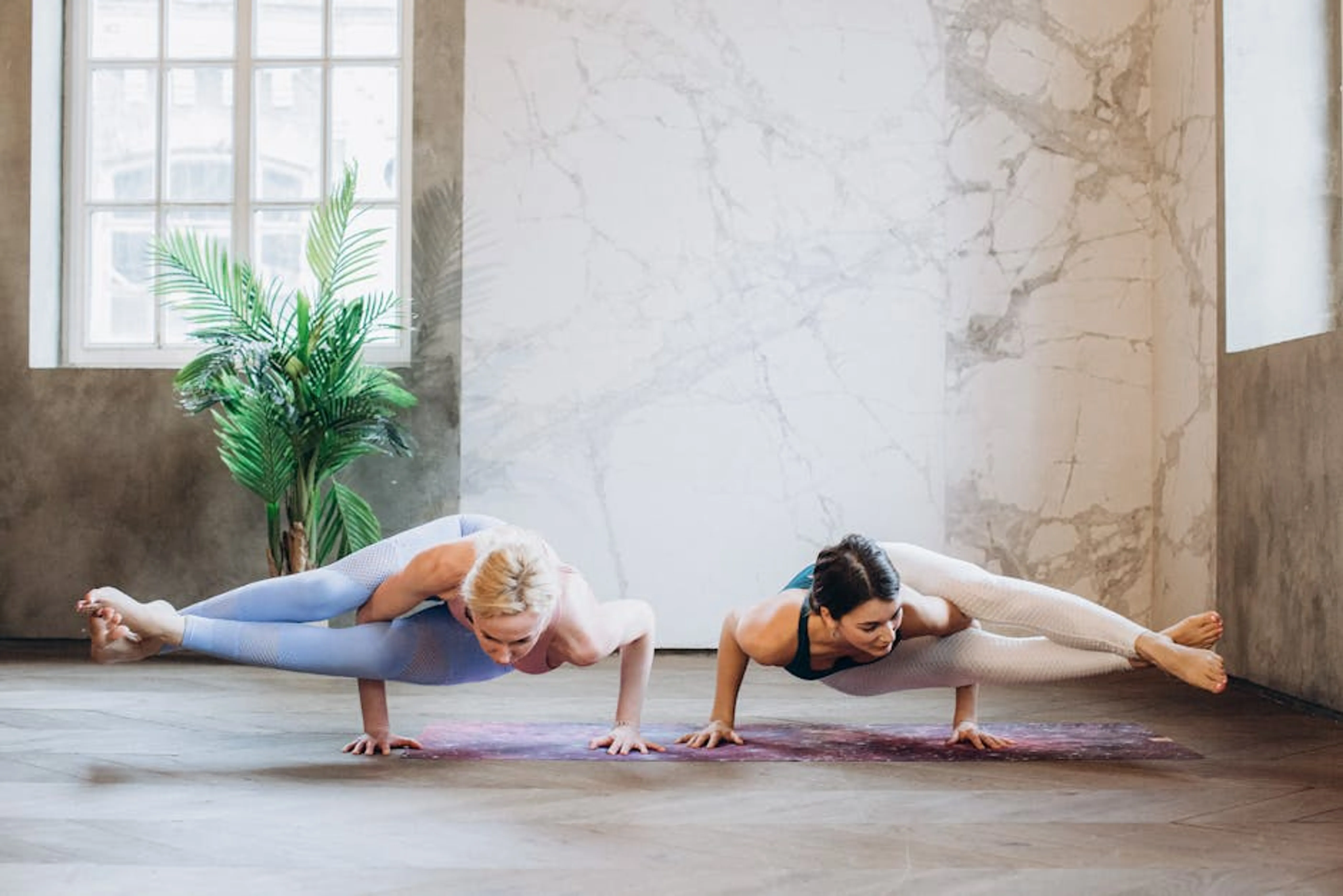
Common Strong Yoga Poses
Downward-Facing Dog (Adho Mukha Svanasana): A foundational pose that strengthens the arms and legs, stretches the entire back of the body, and calms the brain. It's often a transition pose in dynamic sequences.
Warrior II (Virabhadrasana II): A powerful standing pose that builds strength in the legs and core, opens the hips, and improves stamina and focus.
Plank Pose (Phalakasana): A core-strengthening pose that builds full-body stability and prepares the body for more advanced arm balances.
Triangle Pose (Trikonasana): A standing pose that stretches the hips, groins, hamstrings, and calves; strengthens the legs, core, and back; and stimulates the abdominal organs.
Sun Salutations (Surya Namaskar): A series of poses performed in a flowing sequence, designed to warm up the body, build heat, and link breath with movement.
Benefits of Strong Yoga
Increased Muscle Strength and Tone: Sustained holds and dynamic movements effectively build lean muscle mass throughout the body.
Improved Cardiovascular Health and Stamina: The continuous flow and increased physical demand elevate heart rate, improving endurance.
Enhanced Balance and Coordination: Challenging postures and transitions require and develop greater bodily control and proprioception.
Detoxification Through Sweating: The internal heat generated during practice promotes sweating, aiding in the body's natural detoxification processes.
Who is Strong Yoga For?
Individuals seeking a physical challenge and workout.
Those with a good baseline level of fitness.
People aiming to build muscle and improve endurance.
Athletes or individuals looking to supplement their training.
Gentle vs. Strong Yoga: A Direct Comparison
To help you clearly differentiate between these two prominent yoga styles, examine the table below which summarizes their key features.
Comparison Table
FeatureGentle YogaStrong YogaPaceSlow, deliberateDynamic, flowingPhysical DemandLow to moderateModerate to highFocusRelaxation, mindfulness, gentle movementStrength, stamina, flexibility, heat buildingPose DurationShorter holds, restorativeLonger holds, challengingBreath FocusIntegral to movement and relaxationEnergizing and supporting effortModificationsHighly accessible, encouragedRequires more awareness and potential modificationsIdeal ForBeginners, recovery, stress relief, chronic painFitness enthusiasts, challenge seekers, athletes
In summary, gentle yoga prioritizes a calming, accessible, and restorative experience, making it ideal for those seeking stress relief, recovery, or a mindful introduction to movement. Strong yoga, conversely, offers a vigorous, challenging workout aimed at building physical prowess, endurance, and deep flexibility, appealing to those who desire an intense physical practice.
How to Choose the Right Yoga Style for You
Selecting the right yoga style is a personal journey. Consider the following factors to guide your decision and find a practice that truly serves you.
Assess Your Current Fitness Level
Be honest about your starting point. Are you a complete beginner to physical activity, or do you engage in regular exercise? If you're new to movement or recovering from an injury, gentle yoga provides a safer, more supportive environment to build foundational strength and awareness. If you have a good level of fitness and are looking for an additional challenge, strong yoga might be a natural fit.
Consider Your Goals
What do you hope to gain from your yoga practice? If your primary goals are relaxation, stress reduction, improved sleep, or managing mild pain, gentle yoga will likely be more effective. If you're looking to build significant muscle strength, improve cardiovascular health, lose weight, or challenge your physical limits, a strong yoga practice will align better with those aspirations.
Listen to Your Body
Your body is your best guide. Pay close attention to how different poses and styles make you feel, both physically and mentally. Does a gentle class leave you feeling refreshed and centered, or do you crave more intensity? Does a strong class energize you, or does it leave you feeling overly fatigued or strained? Never push yourself beyond your current limits; yoga is about honoring your body, not conquering it.
Experimentation is Key
The best way to discover your preference is through experience. Try a few introductory classes or online resources from both gentle and strong yoga styles. Many studios offer beginner packages, allowing you to sample different classes. You might find that you enjoy aspects of both or that your preferences change over time.
Consult a Professional
If you have specific health concerns, chronic conditions, or are recovering from a significant injury, it is always wise to talk to your doctor before starting any new exercise regimen. Additionally, a qualified yoga instructor can provide personalized recommendations and modifications to ensure your practice is safe and beneficial for your unique needs.

Frequently Asked Questions (FAQ)
Can I practice both gentle and strong yoga?
Absolutely! Many practitioners find immense benefit in incorporating both gentle and strong yoga into their routine. For example, you might enjoy a strong Vinyasa flow class during the week for physical challenge and energy, and then balance it with a gentle or restorative class on the weekend for deep relaxation and recovery. This approach can provide a well-rounded practice that addresses various aspects of your well-being.
Is gentle yoga considered 'lesser' than strong yoga?
No, gentle yoga is not 'lesser' than strong yoga. These are simply different styles with different intentions and benefits. Gentle yoga requires immense focus, body awareness, and a deep connection to breath, offering profound benefits for mental well-being, flexibility, and recovery. Both styles offer unique paths to health and self-discovery, and the 'best' style is always the one that best serves your individual needs and goals at any given time.
What if I have a specific injury – should I start with gentle or strong yoga?
If you have a specific injury, it is generally recommended to start with gentle yoga, and ideally, consult with your doctor or a physical therapist first. Gentle yoga classes often provide more opportunities for modifications, use of props, and individualized attention to ensure you can practice safely without exacerbating your injury. Inform your yoga instructor about your injury before class so they can offer appropriate guidance and modifications.
Conclusion
Embarking on a yoga journey is a deeply personal experience, and understanding the core distinctions between gentle and strong yoga poses is your compass. Gentle yoga offers a path of introspection, relaxation, and gradual movement, ideal for those seeking stress relief, recovery, or a mindful introduction to the practice. Strong yoga, conversely, provides a dynamic and challenging workout, perfect for individuals aiming to build physical strength, stamina, and deep flexibility.
Ultimately, there is no single 'best' style; the most suitable path is subjective and depends entirely on your current needs, goals, and how your body responds. You are encouraged to explore both realms, listen intently to your body's wisdom, and allow your practice to evolve with you. Your yoga journey is a continuous exploration, and the most rewarding path is the one you discover for yourself.
Content is for information only; Author/Site is not liable for decisions made; Reader is responsible for their own actions.
------end of article------