Avoid These Interior Design Style Mistakes
Transform your home by learning to avoid typical interior design mistakes. This guide offers practical advice on scale, functionality, decluttering, and lighting to achieve a harmonious and stylish living environment.

Introduction
Many aspire to create a home that reflects their personal style, offers comfort, and functions flawlessly, yet common interior design choices can often lead to spaces that feel disjointed, impractical, or simply not quite right. Whether it's a living room that feels too cramped or a bedroom lacking warmth, these pitfalls can be frustrating and costly to rectify. This guide, drawing on established interior design principles and practical experience, is designed to empower you with the knowledge to navigate these challenges.
This article will equip you with practical strategies to steer clear of common interior design blunders and create a cohesive, functional, and beautiful living space that truly feels like home.
Mistake 1: Ignoring Scale and Proportion
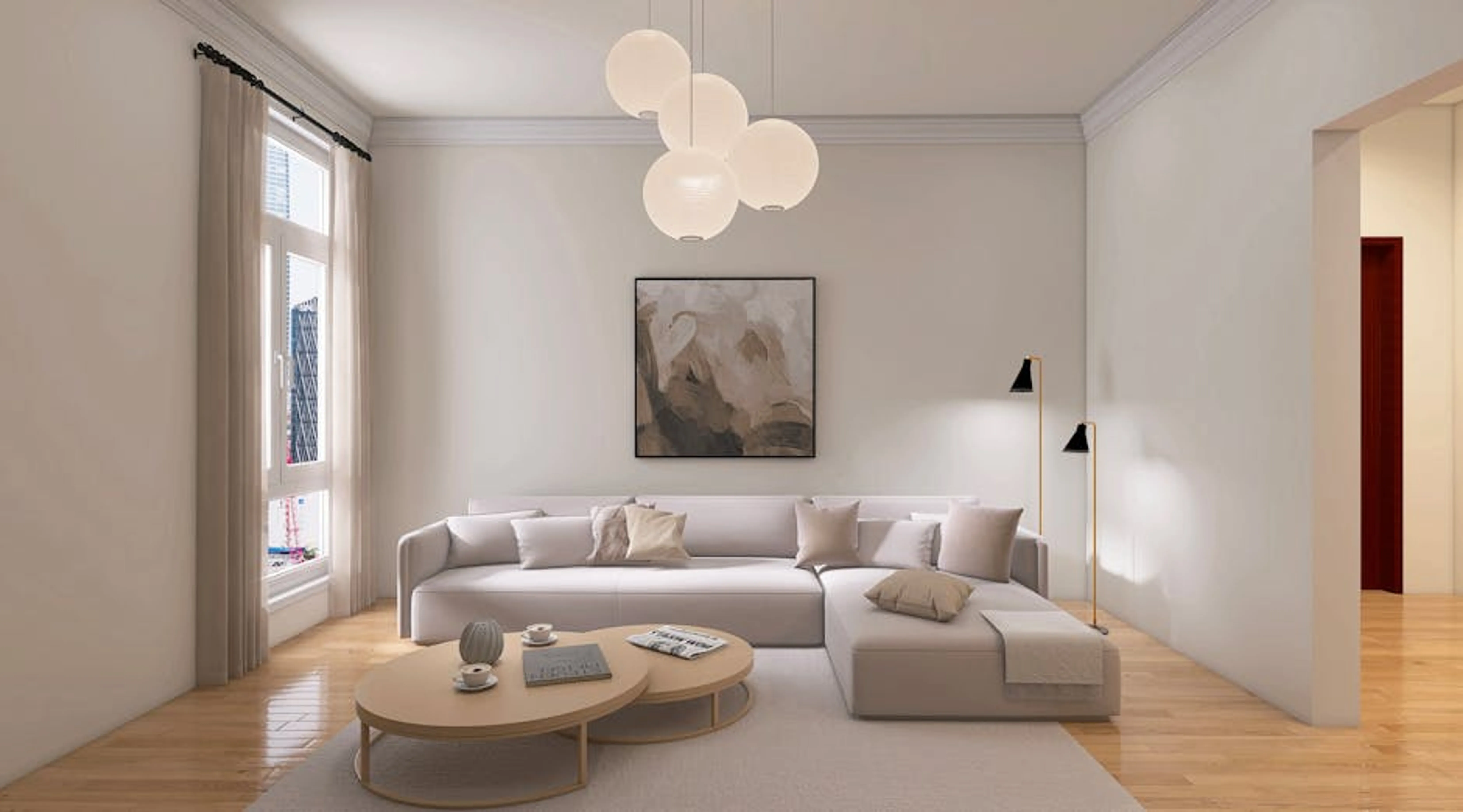
One of the most prevalent design errors is failing to consider the scale and proportion of furniture relative to the room. Placing an oversized sectional in a small living room can make the space feel incredibly cramped and unusable, while tiny furniture in a vast room can leave it feeling empty and unwelcoming. The visual balance is disrupted, leading to an uncomfortable environment.
How to Measure Your Space Accurately Before Buying Furniture
Before you even begin browsing for furniture, take precise measurements of your room. Note the length, width, and height, as well as the dimensions of any architectural features like windows, doors, and fireplaces. Consider the path furniture will take to get into the room. This foundational step prevents costly errors and ensures every piece you select has a designated, appropriate home.
How to Use Visual Aids to Test Furniture Placement and Scale
Once you have your room measurements, use visual aids to test potential furniture placement. Painter's tape on the floor can outline the footprint of a sofa or rug, helping you visualize how much space it will occupy. Online room planners and augmented reality (AR) apps also offer excellent tools to virtually place items in your space, providing a realistic sense of scale and proportion before you commit to a purchase.
How to Prioritize Key Pieces and Ensure They Are Appropriately Sized
Identify the anchor pieces for each room – typically the largest items like a sofa in the living room or a bed in the bedroom. These items should dictate the initial scale. Ensure these key pieces are appropriately sized for the room, then select smaller, complementary items that maintain the overall balance. Remember that negative space, or breathing room, around furniture is just as important as the furniture itself.
Maintaining correct scale and proportion is fundamental to creating a harmonious and functional room. Always measure twice, buy once.
Mistake 2: Choosing Style Over Functionality
While aesthetics are crucial in interior design, prioritizing style at the expense of practicality and comfort is a common misstep. A stunning glass coffee table might look chic, but if it's constantly smudged with fingerprints, easily scratched, or too delicate for a busy family, its beauty quickly diminishes. Similarly, uncomfortable seating, no matter how stylish, defeats the primary purpose of a living space.
How to Assess the Primary Function of Each Room and Activities
Begin by clearly defining the purpose of each room. Is it a high-traffic family room, a quiet reading nook, a formal dining area, or a home office? List the primary activities that will take place there. For instance, a family room needs durable, comfortable seating for movie nights, while a home office requires ergonomic furniture and ample workspace. This assessment guides your material and furniture choices.
How to Select Furniture and Materials That Are Durable and Easy to Maintain
For high-traffic areas, opt for furniture upholstered in durable, stain-resistant fabrics like performance velvet, leather, or tightly woven synthetics. Choose surfaces that are easy to clean and withstand daily wear and tear, such as quartz countertops, solid wood tables, or tile flooring. Investing in quality, robust materials upfront saves time and money on maintenance and replacements in the long run.
How to Incorporate Smart Storage Solutions to Maintain a Clutter-Free Environment
Functionality also extends to organization. Clutter can quickly undermine even the most stylish design. Incorporate smart storage solutions like ottomans with hidden compartments, built-in shelving, multi-functional furniture (e.g., a daybed with drawers), and decorative baskets. These solutions help maintain a tidy, clutter-free environment, allowing the design elements to truly shine without being overshadowed by disarray.
Mistake 3: Overcrowding a Room with Too Much Furniture or Decor

The desire to fill every empty space or display every cherished item can lead to an overcrowded room, which severely impacts its visual flow and perceived size. A cluttered space feels smaller, more chaotic, and less inviting. It can also make cleaning more difficult and prevent the eye from resting on any single focal point, creating visual noise.
How to Employ the 'Less is More' Principle and Be Selective About What You Display
Embrace the 'less is more' philosophy. Instead of displaying every decorative item you own, curate your collection. Choose a few meaningful pieces that resonate with your style and personality, allowing them to stand out. Rotate your decor seasonally or periodically to keep the space fresh without adding excess. This intentional selection creates impact and prevents visual overwhelm.
How to Create Clear Pathways and Negative Space for Better Circulation
Ensure there are clear, unobstructed pathways for movement within each room. Furniture should not impede natural flow or block access to windows or doors. Create negative space – empty areas around furniture and decor – to give the room breathing room. This not only enhances circulation but also allows the eye to appreciate individual design elements and makes the room feel more expansive and serene.
How to Group Decorative Items Thoughtfully Rather Than Scattering Them Randomly
Instead of scattering small decorative items across every surface, group them thoughtfully. Use trays to define collections of items on coffee tables or consoles. Create vignettes on shelves or mantels by arranging items of varying heights, textures, and shapes. Grouping creates visual cohesion, makes a stronger statement, and reduces the appearance of clutter, transforming disparate items into a curated display.
Mistake 4: Neglecting Lighting
Lighting is often an afterthought in interior design, yet it is one of the most powerful tools for setting mood, enhancing aesthetics, and improving functionality. Inadequate or poorly planned lighting can make a room feel dull, unwelcoming, or impractical for specific tasks, regardless of how well-designed the furniture and decor might be. Conversely, well-executed lighting can dramatically transform a space.
How to Layer Lighting for Versatility and Depth
Effective lighting design involves layering three types of light: ambient, task, and accent. Ambient lighting (general illumination from ceiling fixtures or recessed lights) provides overall brightness. Task lighting (e.g., desk lamps, reading lamps) focuses on specific activities. Accent lighting (e.g., picture lights, uplights) highlights architectural features or artwork. Combining these layers creates depth, allows for versatile mood setting, and ensures every area of the room is adequately lit for its purpose.
How to Consider the Natural Light Available and How to Maximize It
Assess the natural light in your home throughout the day. Maximize natural light by keeping windows unobstructed, using sheer curtains or blinds that can be easily opened, and strategically placing mirrors to reflect light deeper into the room. Light-colored walls and finishes can also help bounce natural light around, making a space feel brighter and more open. Harnessing natural light reduces the need for artificial illumination during the day and connects interiors with the outside world.
How to Choose Light Fixtures That Complement Your Style and Provide the Right Type of Illumination
Select light fixtures that not only provide the necessary illumination but also complement your overall interior design style. A modern minimalist space might call for sleek, sculptural fixtures, while a traditional room could benefit from classic chandeliers or ornate wall sconces. Pay attention to the color temperature of light bulbs (warm white for cozy areas, cool white for task-oriented spaces) and the intensity (lumens) to ensure the lighting serves both aesthetic and functional needs.
Comparison: Common Style Pitfalls vs. Balanced Design
Understanding the difference between common design mistakes and thoughtful, balanced design is key to transforming your living space. This comparison highlights specific choices and their outcomes.
Common Style PitfallOutcome of PitfallBalanced Design ApproachOutcome of Balanced DesignBuying a large sectional for a tiny living roomCramped and unusable space, poor circulationOpting for a scaled-down sofa and accent chairsCozy and functional seating area, good flowDecorating with purely aesthetic, delicate items in high-traffic areasQuick wear and tear, constant worry, impracticalitySelecting durable, easy-to-clean materials for high-use furnitureLong-lasting beauty, practical comfort, peace of mindDisplaying every decorative item on every surfaceCluttered, chaotic, visually overwhelming roomCurating a few meaningful pieces and grouping decor thoughtfullySerene, organized space with clear focal pointsRelying solely on a single overhead light sourceFlat, harsh lighting; poor mood and functionalityLayering ambient, task, and accent lightingVersatile, inviting atmosphere with optimal illumination for every activityIgnoring room measurements before furniture shoppingIll-fitting furniture, return hassles, wasted moneyMeasuring meticulously and planning layouts with visual aidsPerfectly scaled furniture, efficient use of space
FAQ Section
How can I define my personal interior design style without making costly mistakes?
To define your personal style, start by gathering inspiration. Create a mood board (physical or digital) with images of rooms, furniture, and colors that appeal to you. Pay attention to common threads – do you gravitate towards clean lines, rustic textures, bold colors, or serene neutrals? Understand the core principles of different styles (e.g., modern, bohemian, traditional) and see which elements resonate most. Begin with smaller, less expensive decor items to test out preferences before investing in large furniture pieces. Remember, your style can evolve, so focus on timeless foundations and layer with personal touches.
What's the best way to update a room on a budget while avoiding common pitfalls?
Updating a room on a budget requires strategic thinking to avoid common pitfalls. First, declutter and reorganize; sometimes, simply removing excess items can refresh a space. Focus on high-impact, low-cost changes: a fresh coat of paint, new throw pillows, a statement rug, or updated lighting fixtures can dramatically alter a room's feel. Shop second-hand for unique finds, and consider DIY projects for smaller decor items. Prioritize what truly needs updating for functionality or comfort, rather than chasing every trend, to ensure your budget is spent wisely.
How do I balance trendy elements with timeless design to avoid a dated look too quickly?
To balance trendy elements with timeless design, anchor your room with classic, durable pieces for furniture and major fixtures – these should be timeless and high-quality. Then, introduce trendy elements through easily changeable accessories: throw pillows, blankets, artwork, vases, or small decorative objects. This allows you to embrace current styles without committing to costly, short-lived trends. For example, a neutral sofa provides a timeless base for a seasonal pop of color or a trendy pattern in accent cushions. This strategy keeps your home feeling current and fresh without requiring frequent, expensive overhauls.
Conclusion
Creating a truly beautiful and functional home is an achievable goal, not an elusive dream. By consciously avoiding the common interior design mistakes discussed – ignoring scale and proportion, prioritizing style over functionality, overcrowding your space, and neglecting thoughtful lighting – you set the foundation for a successful design. You now have practical strategies to measure accurately, prioritize comfort, declutter effectively, and illuminate your home with purpose.
We encourage you to apply these principles thoughtfully and intentionally in your own living spaces. Approach each design decision with a clear understanding of its impact on the overall harmony and utility of your home. With careful planning and informed choices, you can transform your environment into a cohesive, comfortable, and aesthetically pleasing sanctuary that truly reflects your lifestyle and brings you joy.
Content is for information only; Author/Site is not liable for decisions made; Reader is responsible for their own actions.
------end of article------