6 Easy Toddler Crafts for Little Hands
Engage your toddler with 6 easy and fun craft ideas designed to boost their development and creativity. These simple activities use common household items and provide hours of educational entertainment.

Struggling to find engaging, age-appropriate activities that keep your toddler entertained while also fostering their development? It can be challenging to discover crafts that are both simple to set up and safe for little hands. This guide offers six remarkably easy and fun craft ideas specifically designed for toddlers, using common household items. These activities not only provide hours of creative play but also significantly contribute to your child's fine motor skills, cognitive development, and sensory exploration, offering practical solutions for enriching their early years.
Why Crafts Are Beneficial for Toddlers
Engaging toddlers in craft activities goes far beyond simple entertainment; it's a powerful tool for holistic development. Crafts provide a rich environment for learning and growth, impacting various crucial areas of a toddler's development.
Developing Fine Motor Skills and Hand-Eye Coordination
Many toddler crafts, such as threading beads or manipulating playdough, require precise movements of small muscles in the hands and fingers. This repetitive action strengthens these muscles, improving dexterity and preparing them for future tasks like writing and self-feeding. The coordination between what your toddler sees and what their hands do is also significantly enhanced, laying foundational skills for complex actions.
Fostering Creativity and Imagination
Crafts offer an open-ended platform for toddlers to express themselves without boundaries. There's no 'right' or 'wrong' way to create a piece of art, encouraging imaginative thinking and allowing them to explore colors, textures, and shapes freely. This artistic freedom builds confidence and helps them understand that their unique ideas are valued.
Enhancing Cognitive Development and Problem-Solving
Simple craft projects often involve following basic instructions, making choices (like which color to use), and understanding cause and effect (e.g., pressing a stamp leaves an imprint). These small challenges stimulate cognitive development, improve concentration, and introduce basic problem-solving skills in a fun, low-pressure environment. They learn to plan, execute, and observe outcomes.
Promoting Sensory Exploration
Toddlers learn best through their senses. Crafts provide ample opportunities for sensory input, from the squishy feel of paint between fingers to the varied textures of nature items in a collage. This rich sensory experience helps them process information about the world around them, contributing to sensory integration and awareness.
Building Emotional Expression and Confidence
Creating something tangible gives toddlers a sense of accomplishment. Successfully completing a craft, no matter how simple, boosts their self-esteem and confidence. Crafts also offer a non-verbal outlet for emotional expression, allowing them to communicate feelings and ideas they might not yet have the words for.
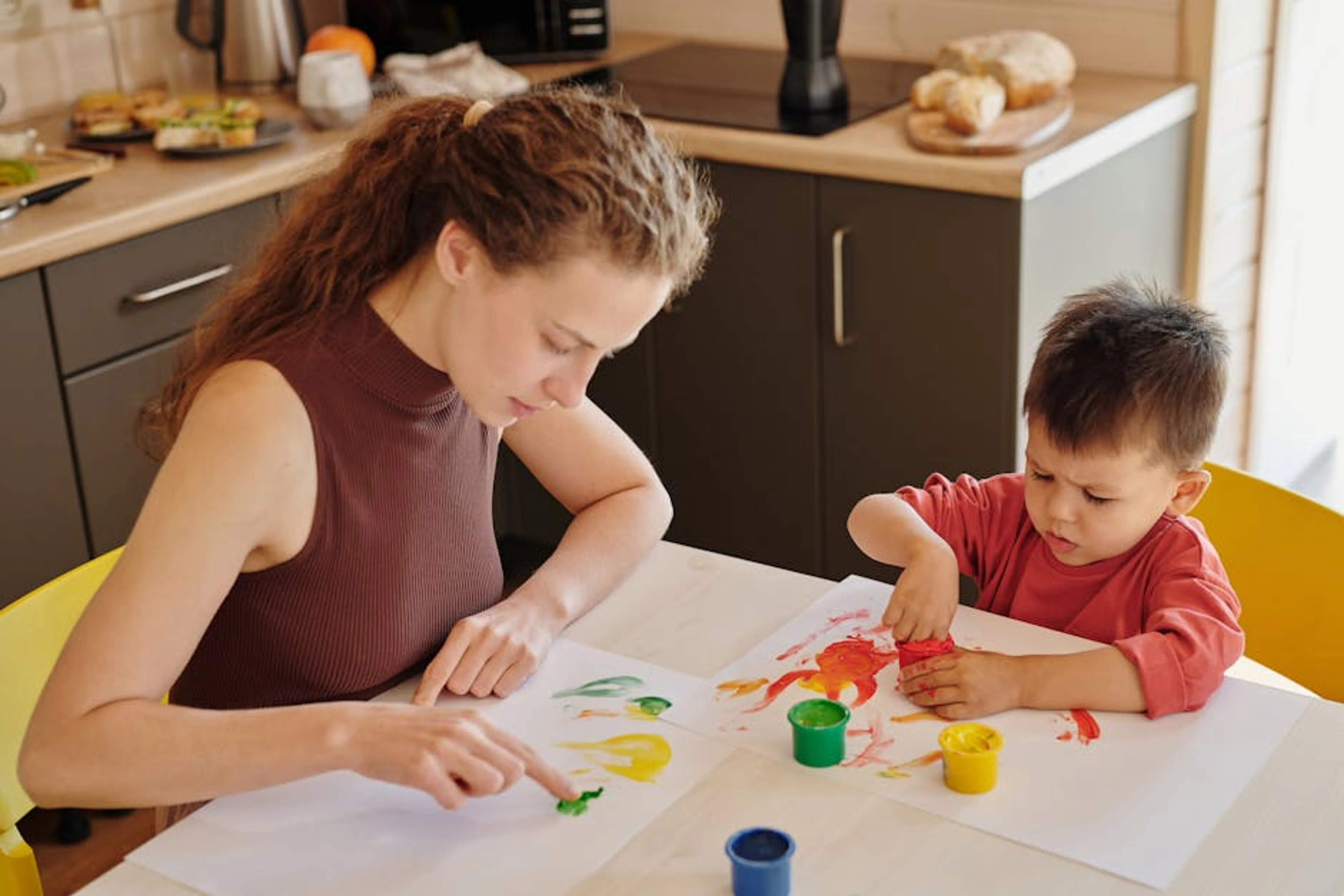
Craft 1: Finger Painting Fun
Finger painting is a classic toddler activity for a reason: it's incredibly engaging, stimulates multiple senses, and requires minimal setup. It's an excellent first step into the world of creative art for very young children.
What You'll Need:
Washable, non-toxic finger paints in various colors
Large sheets of paper or a designated painting surface (e.g., a high chair tray, a plastic placemat)
An old shirt or smock for your toddler
Wet wipes or a damp cloth for quick clean-up
Newspaper or a plastic tablecloth to protect your workspace
How to Set Up and Play:
**Prepare Your Space:** Lay down newspaper or a plastic tablecloth on the floor or table to contain any mess. Dress your toddler in a smock or old clothes.
**Introduce the Paints:** Squeeze small dollops of different colored paints directly onto the paper or painting surface.
**Encourage Exploration:** Show your toddler how to dip their fingers into the paint and spread it around. Encourage them to explore the textures and colors. You can make swirls, lines, or dots.
**Supervise Closely:** Always supervise your toddler during finger painting to ensure they don't ingest the paint (even if non-toxic) and to help with any artistic frustrations or clean-up.
**Document and Display:** Once your toddler is finished, let the artwork dry completely. Display their masterpieces proudly to boost their confidence.
**Safety Tip:** Always use paints specifically labeled as non-toxic and washable for toddlers. Ensure constant supervision to prevent ingestion.
Craft 2: Playdough Creations
Playdough is a fantastic sensory tool that offers endless possibilities for creative play and skill development. It's soft, malleable, and provides a wonderful tactile experience for little hands.
What You'll Need:
Store-bought non-toxic playdough or homemade playdough (recipe below)
Cookie cutters in various shapes
Small rolling pins (toy ones or even an empty paper towel roll)
Plastic knives or blunt tools for cutting and shaping
A smooth, clean surface for play
How to Set Up and Play:
**Provide the Playdough:** Give your toddler a few different colors of playdough. Start with small amounts to avoid overwhelming them.
**Demonstrate Actions:** Show them how to roll the playdough into a ball, flatten it with their hands or a rolling pin, and use cookie cutters to make shapes.
**Encourage Independent Play:** Let your toddler explore the playdough on their own. They might squish it, pull it apart, or combine colors. There's no right or wrong way to play with playdough.
**Introduce Tools:** Offer the cookie cutters and rolling pins. Explain how to use them, but allow your toddler to experiment freely. They might enjoy simply poking holes or making imprints.
Homemade Playdough Recipe:
If you prefer a homemade option, this simple recipe is quick and uses pantry staples:
1 cup all-purpose flour
1/2 cup salt
2 tablespoons cream of tartar
1 tablespoon vegetable oil
1 cup water
Food coloring (optional)
Combine all ingredients in a saucepan over medium heat, stirring constantly until a ball forms. Remove from heat, let cool slightly, then knead until smooth. Store in an airtight container.
Craft 3: Pasta Necklaces
This craft is excellent for developing fine motor skills and hand-eye coordination, and it also introduces basic patterning concepts. It's a satisfying activity that results in a wearable piece of art.
What You'll Need:
Large pasta shapes with holes (e.g., rigatoni, penne, ditalini, wagon wheels)
Yarn or string (about 2-3 feet long per necklace)
Tape (to stiffen one end of the string)
Food coloring and rubbing alcohol (optional, for dyeing pasta)
Resealable plastic bags (for dyeing pasta)
How to Set Up and Play:
**Prepare the Pasta (Optional Dyeing):** If you want colored pasta, place a handful of pasta in a resealable bag. Add a few drops of food coloring and a teaspoon of rubbing alcohol (alcohol helps the color dry faster). Shake well until the pasta is coated. Spread on parchment paper to dry completely (several hours or overnight).
**Prepare the String:** Cut a piece of yarn or string to a manageable length for your toddler (around 2-3 feet). Wrap a small piece of tape tightly around one end of the string to create a stiff 'needle' that is easier for little hands to manipulate through the pasta holes.
**Demonstrate Threading:** Show your toddler how to push the taped end of the string through the hole of a pasta piece.
**Encourage Threading:** Let them try to thread the pasta themselves. This requires concentration and coordination. Don't worry if they don't get it right away; the process is more important than the perfect product.
**Create Patterns:** Once they master basic threading, you can introduce simple patterns, such as 'red pasta, blue pasta, red pasta.'
**Finish the Necklace:** When your toddler is done, tie the ends of the string together to create a necklace or bracelet.
**Important Note:** Always supervise toddlers closely when working with small items like pasta to prevent choking hazards. Ensure the pasta is large enough to minimize this risk.
Craft 4: Nature Collages
Nature collages are a wonderful way to connect with the outdoors, explore different textures, and unleash creativity. This activity encourages observation and appreciation for the natural world.
What You'll Need:
Sturdy paper or cardboard as a base
Child-safe glue stick or liquid glue (PVA glue works well)
A collection of natural items: leaves, small twigs, petals, grass, small smooth stones, pinecones, feathers (ensure items are clean and free of insects)
A basket or bag for collecting items
How to Set Up and Play:
**Nature Walk:** Start with a short walk outdoors to collect your collage materials. Encourage your toddler to point out and gather interesting items from the ground. Talk about the colors, shapes, and textures of the items they find.
**Prepare the Workspace:** Lay out your paper or cardboard on a flat surface. Arrange the collected nature items within easy reach.
**Demonstrate Gluing:** Show your toddler how to apply glue to the back of a leaf or a piece of paper. If using a glue stick, demonstrate rubbing it on the surface.
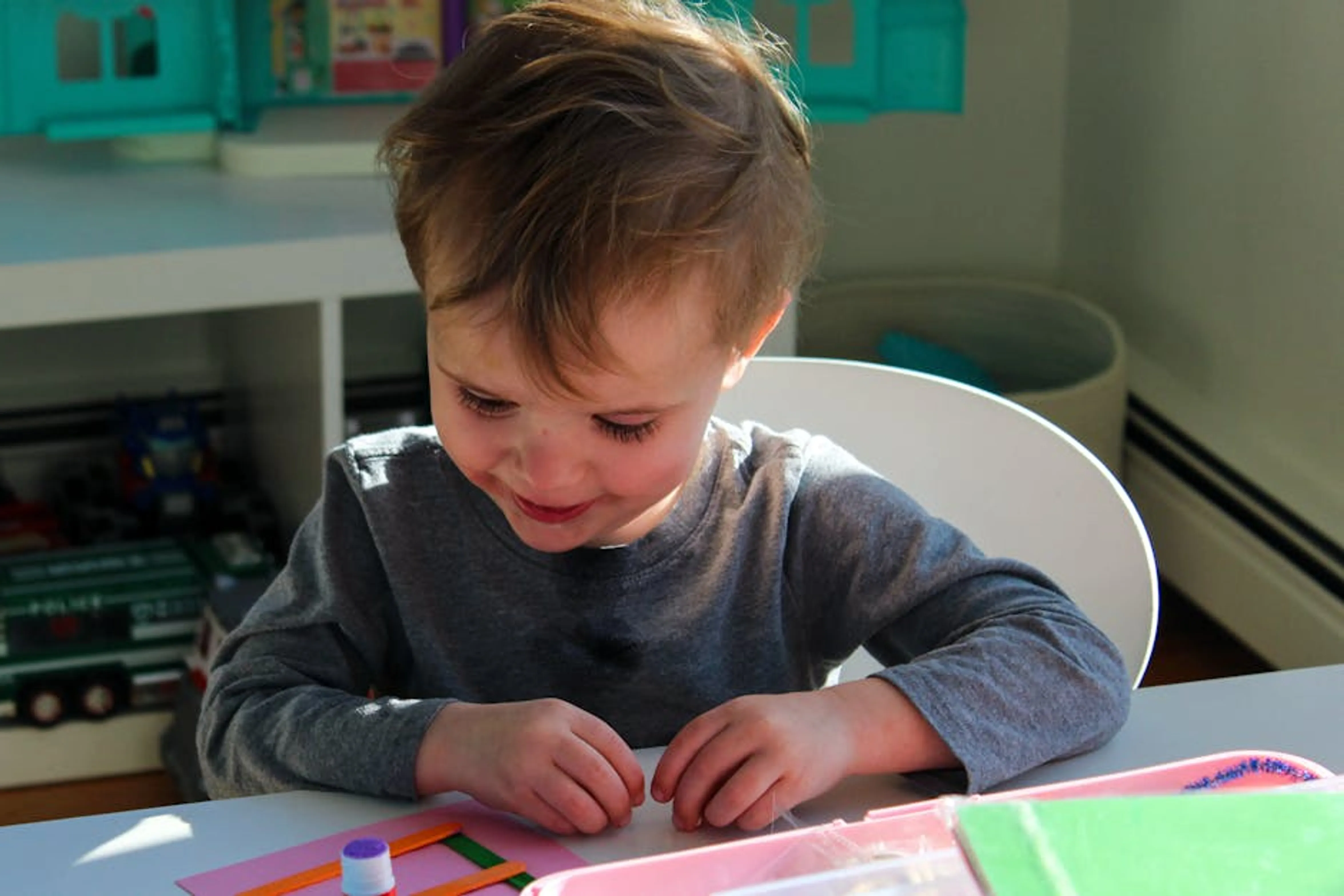
**Create the Collage:** Let your toddler arrange and glue the nature items onto their paper. Encourage them to experiment with different placements and overlaps. They might want to create a picture, or simply enjoy sticking things down.
**Discuss Their Creation:** As they work, talk about the items they are using: 'That's a crinkly brown leaf!' or 'You found a long stick!' This helps build vocabulary and observational skills.
**Dry and Display:** Allow the collage to dry completely before displaying it.

Craft 5: Simple Stamping Art
Stamping is an engaging and effective way for toddlers to explore cause and effect, patterns, and color mixing. It's less messy than finger painting but equally satisfying.
What You'll Need:
Washable, non-toxic paint (tempera or finger paint)
Large sheets of paper
Various items to use as stamps:
Potato halves (cut shapes into the flat side)
Sponges cut into shapes
Empty toilet paper rolls (can be bent into heart shapes)
Large LEGO Duplo bricks
Bottle caps
Forks or other kitchen utensils (ensure they are safe and clean)
Leaves with prominent veins
Shallow trays or plates for paint
Smock or old clothes
How to Set Up and Play:
**Prepare Your Space:** Cover your work surface with newspaper and dress your toddler in a smock.
**Set Out Paints:** Pour small amounts of different colored paints into shallow trays or plates.
**Introduce Stamps:** Show your toddler the various stamping tools. Demonstrate how to dip a stamp into the paint and then press it firmly onto the paper.
**Encourage Stamping:** Let your toddler experiment with the different stamps and colors. They will enjoy seeing the patterns and shapes appear on the paper.
**Experiment with Pressure:** Encourage them to try pressing harder or softer, or twisting the stamp, to see how it changes the imprint.
**Clean-Up:** Have a damp cloth ready for quick hand clean-up, and rinse stamps immediately after use.
Choosing the Right Crafts for Your Toddler
Selecting the ideal craft for your toddler involves considering several factors to ensure a positive and enriching experience. Not all crafts are suitable for every age or temperament, and adapting activities to your child's developmental stage and interests is key to successful engagement.
Consider Age Appropriateness and Developmental Stage
Very young toddlers (12-18 months) benefit most from sensory exploration activities like finger painting or playdough, which focus on tactile experiences and simple manipulation. As they approach two years and beyond, their fine motor skills improve, making activities like threading pasta or simple stamping more accessible. Always choose crafts that match their current abilities to prevent frustration.
Assess Mess Tolerance and Preparation Time
Some crafts are inherently messier than others. Finger painting, for instance, offers immense sensory benefits but requires significant clean-up. Playdough is less messy, while pasta threading is generally very clean. Consider your own tolerance for mess and the time you have for setup and clean-up when choosing an activity. Preparing your workspace beforehand with drop cloths or old towels can make even messy crafts more manageable.
Observe Their Interests and Attention Span
Does your toddler love collecting items outdoors? A nature collage might be perfect. Are they fascinated by colors? Finger painting or stamping will appeal. Toddlers generally have short attention spans, so keep craft sessions brief (10-20 minutes) and be prepared to transition to another activity if they lose interest. The goal is engagement, not completion of a perfect project.
Prioritize Safety and Supervision
Regardless of the craft, constant supervision is paramount. Ensure all materials are non-toxic, especially if there's a chance of ingestion. Avoid small parts that could be choking hazards for children under three. The crafting environment should be safe, with no sharp objects or dangerous chemicals within reach. Your presence ensures both safety and an opportunity for bonding and guidance.
Here's a quick guide to help you choose:
Craft ActivityPrimary Skill FocusMess Level (1-5, 5 being highest)Recommended Age RangeFinger Painting FunSensory exploration, creativity, fine motor512 months+Playdough CreationsFine motor, hand strength, imaginative play218 months+Pasta NecklacesHand-eye coordination, fine motor, patterning12 years+Nature CollagesObservation, creativity, fine motor, sensory318 months+Simple Stamping ArtCause and effect, fine motor, pattern recognition418 months+
Frequently Asked Questions
What if my toddler tries to eat the craft supplies?
Toddlers are notorious for exploring with their mouths. This is why it is absolutely critical to use only non-toxic, child-safe materials for all crafts. Always supervise your toddler closely during craft time. If they consistently try to eat materials, redirect their attention, or choose crafts where ingestion is less likely or harmless (e.g., homemade edible playdough or large, non-choking hazard items). Short, supervised sessions are key.
How do I manage the mess that comes with toddler crafts?
Mess is an inherent part of creative play with toddlers, but it can be managed. Prepare your workspace by laying down old newspapers, a plastic tablecloth, or a designated craft mat. Dress your toddler in a smock or old clothes. Keep wet wipes, paper towels, and a damp cloth within arm's reach for quick clean-ups. Consider doing messy crafts outdoors if weather permits. Remember, the process of creation is often messier than the finished product, and the developmental benefits outweigh the temporary inconvenience.
My toddler loses interest quickly. What should I do?
It's completely normal for toddlers to have short attention spans. Keep craft sessions brief, aiming for 10-20 minutes, or even less if your child is very young. Follow their lead; if they're done, put the craft away without pressure. Offer choices of materials or activities to keep them engaged, but don't force it. The goal is positive engagement and exploration, not necessarily completing a perfect project. Sometimes, simply watching you create can be an engaging activity for them too.
Conclusion
Engaging your toddler in easy, age-appropriate crafts is a rewarding experience that offers profound developmental benefits. From enhancing fine motor skills and hand-eye coordination to fostering creativity, problem-solving, and emotional expression, these simple activities provide a rich foundation for learning. By prioritizing safety, adapting to their interests, and embracing the inevitable mess, you can create joyful and enriching moments of shared exploration. Remember, the true value lies in the process of discovery and the bond created, not in the perfection of the final product. So, gather your supplies, set up your space, and embark on a colorful journey of creativity with your little one.
Content is for information only; Author/Site is not liable for decisions made; Reader is responsible for their own actions.
------end of article------