5 Food Storage Hacks You Need to Know
Tired of throwing away spoiled food? This comprehensive guide reveals 5 essential food storage hacks that will revolutionize your kitchen, keep food fresh longer, and significantly cut down on waste and grocery bills.

Introduction
Are you constantly battling with food spoilage, finding wilted greens, moldy bread, or freezer-burned meats long before you can use them? This common kitchen frustration not only leads to significant food waste but also drains your budget. The good news is that preventing premature spoilage is entirely within your control, and you don't need a professional kitchen to achieve it. This article will unveil 5 transformative food storage hacks that will empower you to keep your groceries fresher for longer, dramatically reduce waste, and ultimately save you money.
Why You Should Trust These Hacks
The strategies presented here are rooted in established food science principles and practical experience in food preservation. This information is meticulously compiled to provide reliable, actionable advice that has been proven effective in extending the longevity of various food items. You can confidently apply these techniques knowing they are based on sound methods for maintaining food quality and safety.
Hack 1: Mastering the Art of Airtight Sealing
Explanation: Why airtightness is crucial for preservation
One of the primary culprits behind food spoilage is exposure to air. Oxygen in the air reacts with food, causing oxidation, which leads to staleness, discoloration, and the growth of microorganisms like mold and bacteria. Moisture loss or gain due to air exposure also significantly degrades food quality. By creating an airtight seal, you effectively slow down these detrimental processes, preserving the food's texture, flavor, and nutritional value for a much longer period.
How-to: Using vacuum sealers effectively
Vacuum sealers are highly effective tools for achieving superior airtightness. They work by removing air from a specialized bag or container before sealing it. To use a vacuum sealer effectively:
Place your food item inside a vacuum sealer bag, leaving enough space at the top for sealing.
Ensure the sealing area is clean and dry to prevent seal failure.
Position the open end of the bag into the vacuum sealer's sealing channel.
Activate the machine to remove air and then seal the bag.
For delicate items, use the 'pulse' function if available, to control the amount of air removed without crushing the food.
How-to: Alternative methods (jars, reusable bags, clips)
If a vacuum sealer isn't an option, several alternative methods can still provide excellent airtight storage:
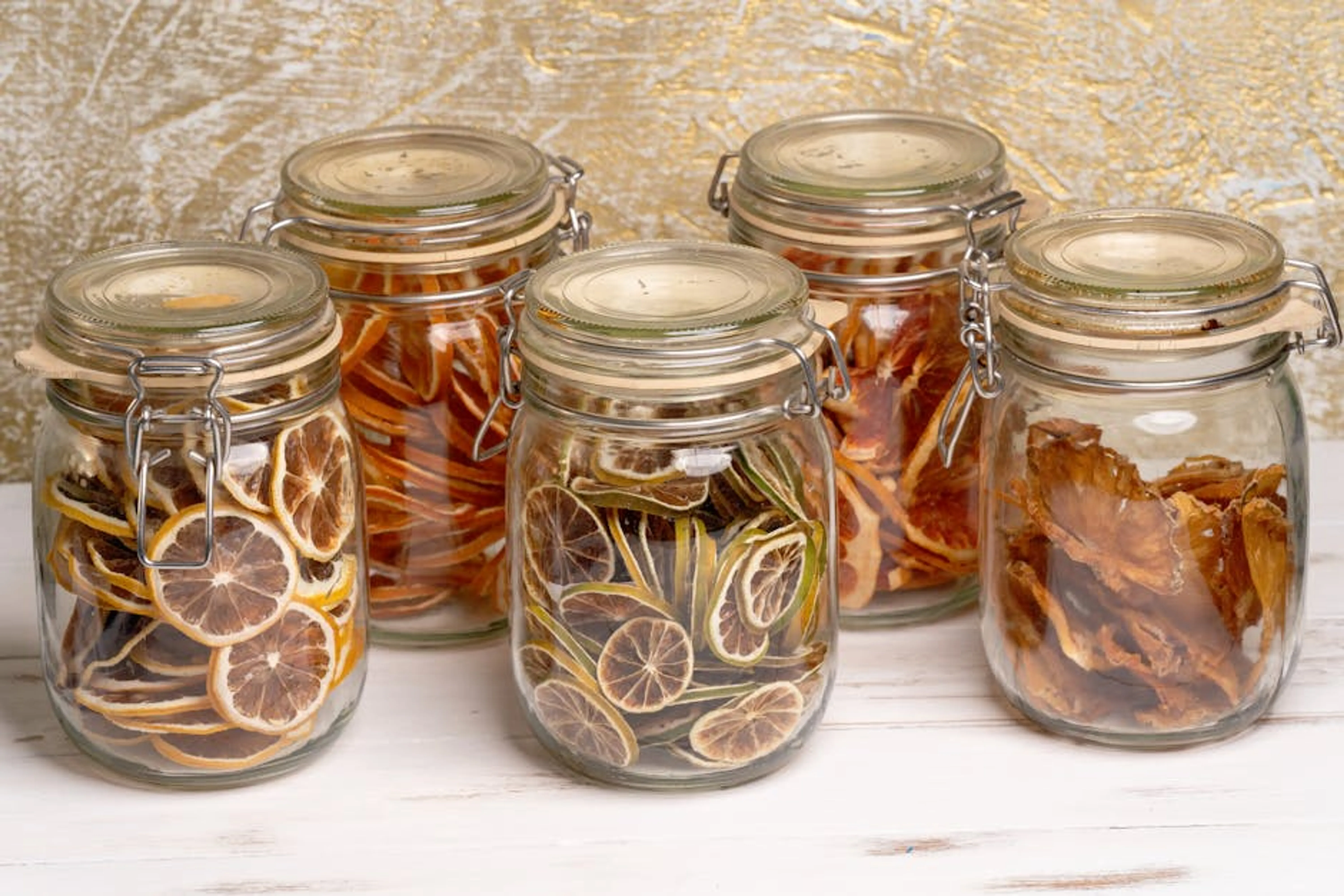
Glass Jars with Lids: Mason jars or other glass containers with tight-fitting lids are excellent for dry goods, liquids, and even some refrigerated items. Ensure the lid forms a secure seal.
Reusable Silicone Bags: These versatile bags are designed for airtight storage and can be used in the freezer, refrigerator, or pantry. Squeeze out as much air as possible before sealing.
Heavy-Duty Freezer Bags: While not as effective as vacuum-sealed bags, good quality freezer bags can be made more airtight by pressing out excess air before zipping them shut. You can also use the 'water displacement method' by submerging the bag (with food inside and a small opening at the top) into water to naturally push out air before sealing.
Food Storage Containers with Gaskets: Many plastic or glass containers come with silicone gaskets and snap-on lids that create a strong, airtight seal.
Bag Clips and Rubber Bands: For opened bags of chips, cereals, or pasta, firmly roll down the bag and secure it tightly with a robust bag clip or rubber band. While not perfectly airtight, this is far better than leaving bags open.
Hack 2: The Power of Proper Temperature Control
Explanation: How temperature affects food longevity
Temperature is a critical factor in food preservation. Most spoilage bacteria and enzymes thrive in warm environments. Lowering the temperature significantly slows down their activity, thereby extending the shelf life of food. Conversely, temperatures that are too high accelerate spoilage, while fluctuating temperatures can also degrade food quality, especially in freezers (leading to freezer burn).
How-to: Optimizing your refrigerator and freezer settings
To ensure optimal temperature control for your food:
Refrigerator: Set your refrigerator to 35-40°F (1.7-4.4°C). Use a refrigerator thermometer to verify the actual temperature, as the dial setting might not always be accurate. Avoid overpacking your fridge, as this can impede air circulation and create warm spots.
Freezer: Maintain your freezer at 0°F (-18°C) or colder. Again, a freezer thermometer is invaluable for verification. Keep the freezer as full as possible (fill empty spaces with crumpled newspaper or water bottles) to help maintain a consistent cold temperature, but ensure enough space for air circulation around items.
How-to: Understanding the 'danger zone' and safe temperatures
The 'danger zone' for food is between 40°F (4.4°C) and 140°F (60°C). In this temperature range, bacteria can multiply rapidly, potentially reaching dangerous levels within two hours. To prevent this:
Rapid Cooling: Cool cooked foods quickly. Divide large portions into smaller, shallow containers to help them cool faster before refrigerating.
Thawing Safely: Never thaw frozen food at room temperature. Thaw in the refrigerator, under cold running water, or in the microwave.
Reheating: Reheat leftovers to an internal temperature of 165°F (74°C) to kill any bacteria that may have grown.
Hack 3: Smart Storage Zones for Different Foods
Explanation: Categorizing foods for extended freshness
Not all foods are created equal when it comes to storage. Different items have unique requirements for temperature, humidity, and light exposure. Understanding these needs and organizing your storage spaces accordingly can significantly prolong the freshness of your groceries. Proper categorization prevents cross-contamination, optimizes space, and ensures each food item is in its ideal environment.
How-to: Fridge organization – crisper drawers, door shelves, top vs. bottom
Your refrigerator has distinct zones designed for specific types of food:
Top Shelf: This area typically has the most consistent temperature. Store ready-to-eat foods like leftovers, deli meats, and dairy products here.
Middle Shelves: Ideal for eggs, cooked meats, and other dairy products.
Bottom Shelf: This is the coldest part of the fridge and the best place for raw meats, poultry, and fish. Store them on a plate or in a container to prevent drips that could contaminate other foods.
Crisper Drawers:
High-Humidity Drawer (often labeled 'vegetables' or with a higher humidity setting): Best for leafy greens, herbs, and other vegetables that wilt easily.
Low-Humidity Drawer (often labeled 'fruits' or with a lower humidity setting): Ideal for fruits and vegetables that emit ethylene gas (e.g., apples, pears) or are susceptible to moisture damage (e.g., bell peppers, mushrooms). Keep fruits and vegetables separate, as ethylene-emitting fruits can ripen and spoil sensitive vegetables.
Door Shelves: This is the warmest part of the fridge due to frequent opening. Store condiments, jams, and drinks here – items that are less prone to spoilage from slight temperature fluctuations. Avoid storing milk or eggs on the door.
How-to: Pantry organization – dry goods, root vegetables, oils
Your pantry also requires strategic organization:
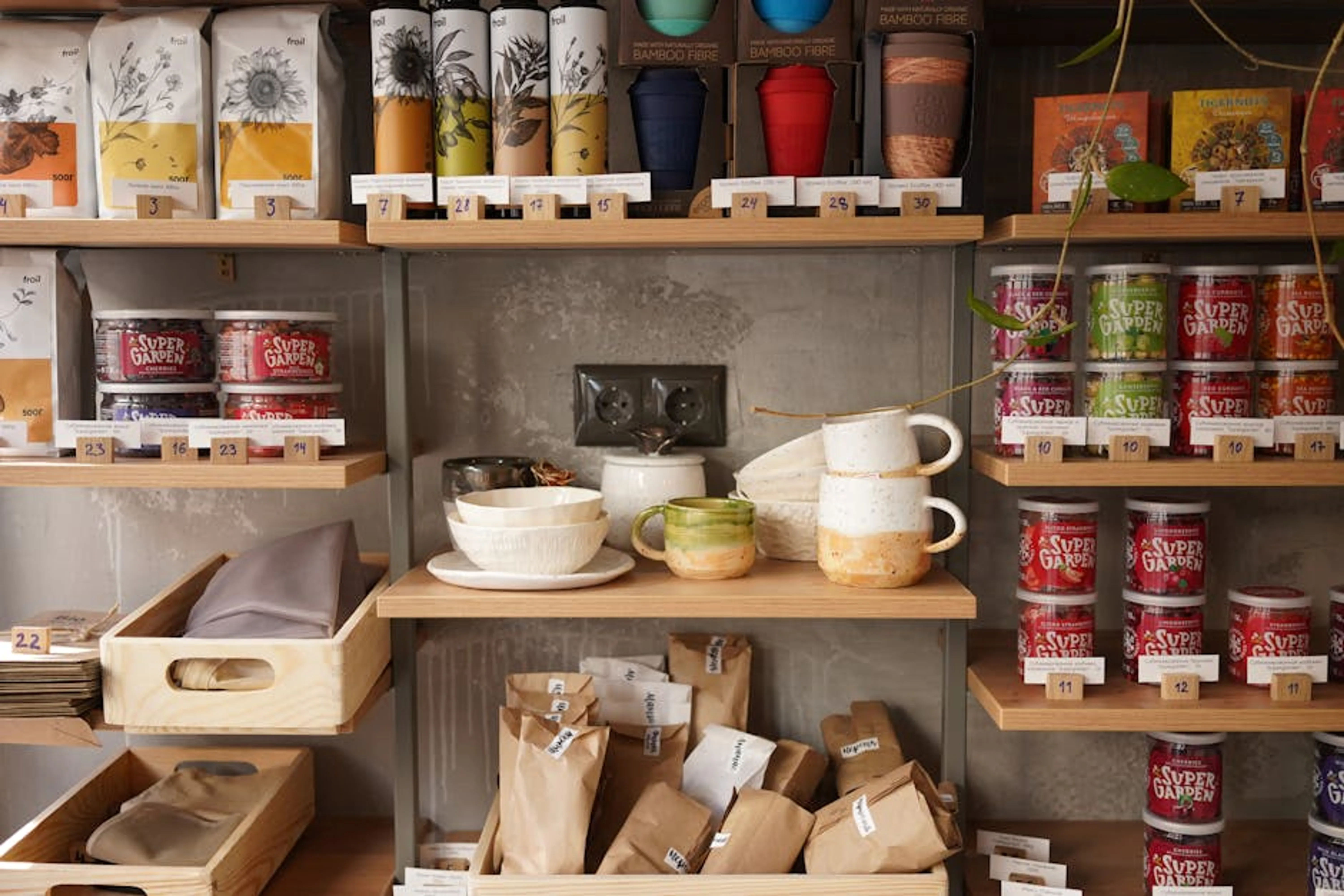
Cool, Dark, Dry: Most dry goods thrive in a cool, dark, and dry environment. This includes flour, sugar, pasta, rice, cereals, and canned goods. Store them in airtight containers to protect against pests and moisture.
Root Vegetables: Potatoes, onions, garlic, and sweet potatoes prefer a cool, dark, and well-ventilated space, but not the refrigerator. A mesh bag or a basket in a dark cupboard is ideal. Keep potatoes and onions separate, as onions can cause potatoes to sprout faster.
Oils and Vinegars: Store most oils (except olive oil, which can solidify) and vinegars in a cool, dark pantry away from direct sunlight and heat, which can cause them to go rancid.
Bread: Store bread at room temperature in a bread box or an airtight bag for a few days. For longer storage, freeze it. Refrigeration can make bread stale faster.
Hack 4: Utilizing the Freezer's Full Potential
Explanation: Freezing as a long-term preservation method
Freezing is an incredibly effective method for long-term food preservation. It halts the growth of microorganisms and significantly slows down enzymatic activity, effectively pausing the spoilage process. While freezing maintains safety indefinitely, food quality can degrade over time, especially if not prepared and packaged correctly. Understanding best practices ensures that your frozen foods retain their taste, texture, and nutritional value when thawed.
How-to: Best practices for freezing fruits and vegetables (blanching)
Proper preparation is key to successful freezing of produce:
Fruits: Wash, dry, and cut fruits into appropriate sizes. Many fruits can be frozen directly on a baking sheet in a single layer until solid, then transferred to an airtight freezer bag or container. This prevents clumping and allows you to take out only what you need. Add a squeeze of lemon juice to light-colored fruits (like apples or peaches) to prevent browning.
Vegetables (Blanching): Most vegetables benefit from blanching before freezing. Blanching involves briefly immersing vegetables in boiling water, then rapidly cooling them in ice water. This process stops enzyme action that causes loss of flavor, color, and texture.
Wash and cut vegetables.
Boil water and prepare an ice bath.
Add vegetables to boiling water for the recommended time (typically 1-5 minutes, depending on the vegetable).
Immediately transfer blanched vegetables to the ice bath to stop the cooking process.
Drain thoroughly, pat dry, and then flash freeze on a baking sheet before transferring to airtight freezer bags or containers.
How-to: Freezing meats, dairy, and cooked meals
Freezing these items requires specific considerations:
Meats: Portion raw meats into usable sizes. Wrap them tightly in plastic wrap or freezer paper, then place them in an airtight freezer bag or vacuum-seal them. Remove as much air as possible to prevent freezer burn. Label with the date.
Dairy: Some dairy products freeze better than others. Hard cheeses can be frozen grated or in blocks. Butter freezes well. Milk can be frozen, but its texture may change slightly upon thawing (it might separate). Yogurt, sour cream, and cream cheese generally do not freeze well due to texture changes.
Cooked Meals: Cool cooked meals completely before freezing. Portion them into individual servings or family-sized containers. Use freezer-safe, airtight containers or bags. Label clearly with the dish name and date. This makes for convenient grab-and-go meals.

Comparison Table: Shelf Life Extension with Different Storage Methods
Food ItemStandard Storage (Typical Shelf Life)Hacked Storage (Extended Shelf Life)Method UsedLeafy Greens5-7 days (refrigerator)10-14 days+Airtight container with paper towel; high-humidity crisperBerries3-5 days (refrigerator)6-12 monthsFlash frozen, then airtight freezer bagAvocados (whole)3-7 days (counter)Up to 1 week (refrigerator)Refrigerate when ripeGround Meat1-2 days (refrigerator)3-4 monthsVacuum-sealed or tightly wrapped in freezerCooked Grains (rice, quinoa)3-4 days (refrigerator)3-6 monthsAirtight container, frozenFresh Herbs5-7 days (refrigerator)2-3 weeks (refrigerator); 6 months (frozen)Wrapped in damp paper towel, then airtight bag; frozen in oil or waterHard Cheese (block)2-3 weeks (refrigerator, wrapped)Up to 6 monthsVacuum-sealed or tightly wrapped, frozen
FAQ Section
Q1: How can I prevent freezer burn effectively?
Freezer burn occurs when food is exposed to air, leading to dehydration and oxidation, which affects taste and texture. To prevent it, ensure all food is wrapped tightly and sealed as airtight as possible. Use vacuum sealers for the best results. If using bags, press out all excess air. For containers, ensure they are freezer-safe and filled to minimize air pockets. Freezing food quickly also helps, as it creates smaller ice crystals that cause less damage to cell walls.
Q2: What are the best ways to store fresh herbs?
The best method depends on the herb. For delicate herbs like parsley, cilantro, and basil, treat them like a bouquet of flowers: trim the stems, place them in a jar with an inch of water, cover loosely with a plastic bag, and refrigerate (basil prefers room temperature). For sturdier herbs like rosemary, thyme, or oregano, wrap them in a slightly damp paper towel, then place them in an airtight bag in the refrigerator. For long-term storage, chop herbs and freeze them in olive oil in ice cube trays.
Q3: Can I reuse food storage containers, and how should I clean them?
Yes, most food storage containers are designed for reuse, which is an excellent way to reduce waste. Always wash containers thoroughly with hot, soapy water after each use, or run them through a dishwasher if they are dishwasher-safe. Pay special attention to gaskets and crevices where food particles can hide. Ensure containers are completely dry before storing food again to prevent bacterial growth and odors. Regularly inspect containers for cracks or damage, as these can compromise their airtight seal and harbor bacteria.
Conclusion
By integrating these 5 essential food storage hacks into your routine – mastering airtight sealing, optimizing temperature control, utilizing smart storage zones, and leveraging the freezer's full potential – you gain powerful tools to combat food waste. These actionable strategies empower you to extend the freshness of your groceries, maintain their quality, and significantly reduce the amount of food you discard. Embracing these practices not only contributes to a more sustainable kitchen but also translates directly into tangible savings on your grocery bill. Start implementing these hacks today and transform the way you manage your food, saving both food and money.
Content is for information only; Author/Site is not liable for decisions made; Reader is responsible for their own actions.
------end of article------