5 Cat Behavior Secrets You Need to Know
Ever wonder what your cat is really trying to tell you? This comprehensive guide reveals 5 crucial cat behavior secrets, offering actionable advice to help you understand their unique communication and strengthen your bond. From tail wags to slow blinks, discover the hidden meanings behind their actions.

Do you often find yourself puzzled by your cat's actions, wondering what their subtle cues truly mean? Decoding feline behavior is not just a fascinating endeavor; it is crucial for fostering a harmonious home and a deeper connection with your beloved pet. This article will unveil five essential cat behavior secrets, providing you with research-backed insights and practical, actionable advice to help you understand your cat's world like never before. You will learn to interpret everything from tail movements and purrs to kneading rituals and the ultimate sign of affection, the slow blink, empowering you to respond appropriately and strengthen your bond.
Secret 1: Decoding the Tail: More Than Just an Appendage
Your cat's tail is a sophisticated communication tool, capable of conveying a wide range of emotions and intentions. Understanding its movements can provide invaluable insights into your cat's current mood and comfort level.
Understanding Tail Movements
High and Quivering: A tail held high with a slight quiver often indicates extreme happiness and excitement, especially when greeting you. It is a sign of contentment and friendliness.
Low and Tucked: A tail tucked between the legs or held very low signifies fear, submission, or insecurity. Your cat may be feeling threatened or anxious.
Rapid Twitching: If the tip of your cat's tail twitches rapidly while the rest is relatively still, it can indicate irritation, frustration, or a focused hunting instinct. This is often seen just before a pounce or when they are annoyed.
Swishing Side-to-Side: A slow, deliberate swish from side to side usually means your cat is contemplating something, perhaps an upcoming pounce or assessing a situation. A fast, thumping swish, however, is a clear warning sign of agitation or anger, often preceding an attack.
How to Interpret Tail Positions
Beyond movement, the static position of the tail also carries significant meaning. An upright tail, sometimes with a slight curve at the tip, is a confident and friendly greeting. A tail held straight out behind them, parallel to the ground, can indicate a neutral or inquisitive mood. Conversely, a puffed-up tail, often accompanied by an arched back, is a defensive posture, signaling fear and a readiness to fight or flee.
Actionable Advice: How to Respond Appropriately to Your Cat's Tail Signals
Always observe the tail in conjunction with other body language cues. If your cat's tail is high and happy, engage with them affectionately. If it's low or tucked, give them space and avoid sudden movements that might increase their fear. For a rapidly swishing or puffed tail, it is best to back off and allow your cat to calm down, respecting their need for space.
Secret 2: The Power of Purrs: It's Not Always About Happiness
The gentle rumble of a cat's purr is often associated with contentment, but this complex vocalization serves a surprising array of purposes beyond simple happiness. Understanding the science behind purring can deepen your appreciation for your feline companion.
The Science Behind Purring
Cats produce purrs through the rapid oscillation of their laryngeal muscles and diaphragm, typically at a frequency between 25 and 150 Hertz. This specific frequency range has been linked to promoting bone growth and healing, pain relief, and even tissue repair. While purring certainly signifies pleasure when a cat is relaxed and enjoying affection, it also acts as a self-soothing mechanism during stressful situations, injury, or illness. Mother cats purr during birth and while nursing, which helps to calm their kittens and guide them to their milk source.
How to Differentiate Purr Meanings
To truly understand your cat's purr, you must consider the context and accompanying body language. A happy purr is typically accompanied by a relaxed posture, half-closed eyes, slow blinking, and perhaps kneading. Your cat will appear calm and comfortable. In contrast, a purr of distress or pain might be accompanied by a hunched posture, dilated pupils, hiding, or a lack of interest in food or interaction. You might also notice a slight change in the purr's tone, sometimes sounding more strained or urgent, particularly when it's a 'solicitation purr' (a purr combined with a meow to ask for something).
Actionable Advice: How to Comfort a Purring Cat in Distress or Appreciate a Happy Purr
When your cat purrs happily, simply enjoy the moment. Continue your gentle petting or allow them to rest comfortably beside you. If you suspect your cat is purring due to stress or pain, observe them closely for other symptoms. Provide a quiet, safe space, ensure they have access to fresh water, and avoid forcing interaction. If you notice any signs of illness or injury, consult with your veterinarian promptly. Recognizing a distress purr allows you to provide comfort and seek necessary care.
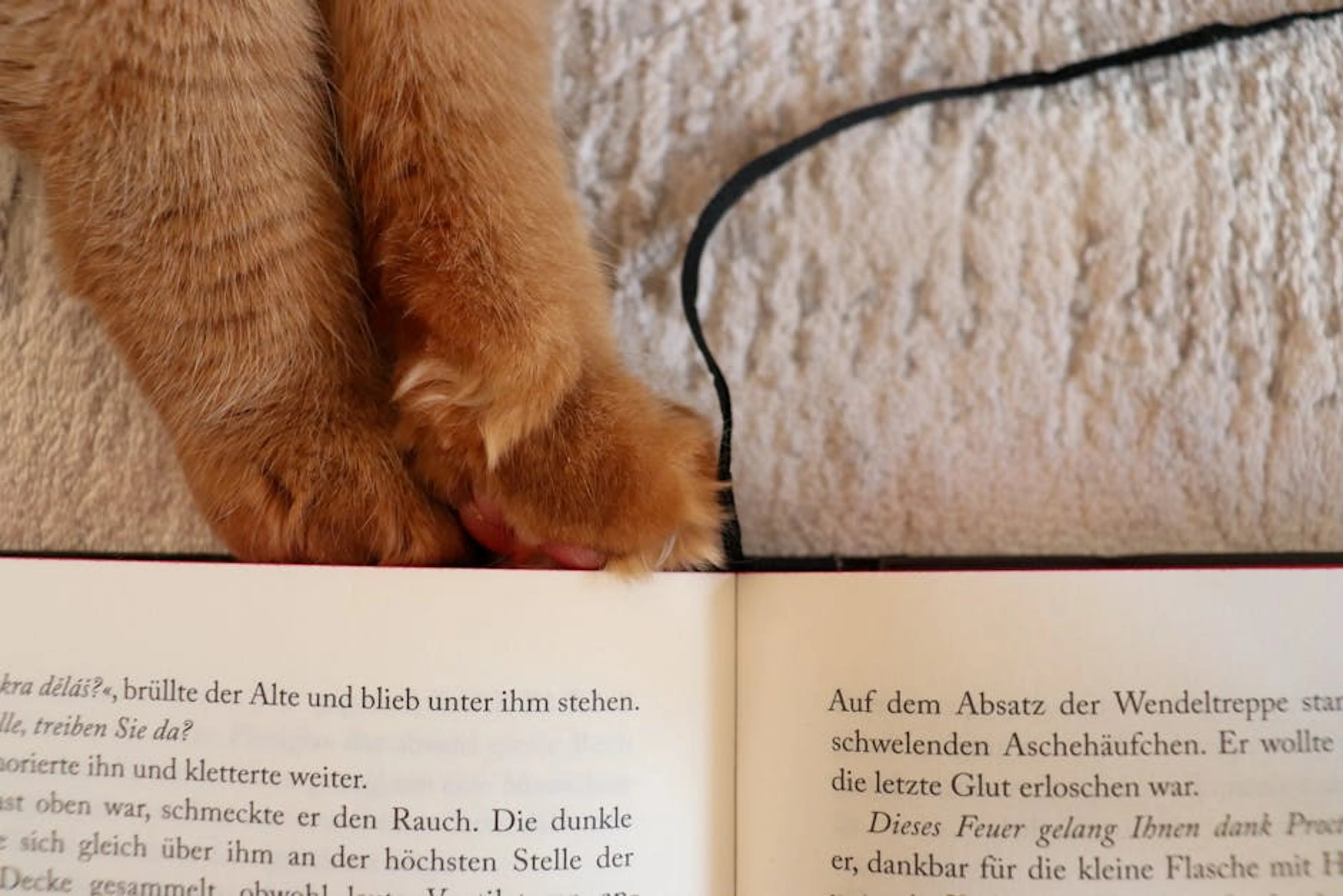
Secret 3: Why Do Cats Knead? Unraveling the Mystery of "Making Biscuits"
The rhythmic pushing of paws, often accompanied by purring, is a common and endearing cat behavior known as kneading or "making biscuits." This seemingly simple action has deep evolutionary roots and serves multiple purposes in an adult cat's life.
Evolutionary Roots of Kneading
Kneading originates from kittenhood. Newborn kittens knead their mother's mammary glands to stimulate milk flow during nursing. This behavior is strongly associated with comfort, security, and the warmth of their mother. When adult cats knead, they are essentially reverting to this comforting, primal behavior, often in moments of extreme relaxation and contentment.
When and Why Your Cat Kneads
Your cat might knead when they are feeling exceptionally happy, safe, and loved, such as while sitting on your lap, snuggling into a soft blanket, or settling down for a nap. It is a profound sign of trust and affection. Beyond comfort, kneading also serves as a way for cats to mark their territory. Scent glands in their paws release pheromones onto the surface they are kneading, subtly claiming it as their own. Some cats also knead before lying down, instinctively preparing a comfortable spot, much like their wild ancestors might have flattened tall grasses.
Actionable Advice: How to Gently Redirect Kneading If It Becomes Uncomfortable, or How to Enjoy It
If your cat's kneading becomes uncomfortable due to their claws, avoid punishing them, as this can confuse or distress them. Instead, place a thick blanket or cushion between your cat's paws and your lap. Regularly trimming your cat's claws can also help minimize discomfort. If the kneading is not painful, simply enjoy this beautiful display of affection. It is a clear sign that your cat feels safe, loved, and completely at ease in your presence, and it strengthens your bond. You can gently stroke them and speak in a soft, reassuring voice to reinforce their sense of security.
Secret 4: The Art of the Slow Blink: Your Cat's "I Love You"
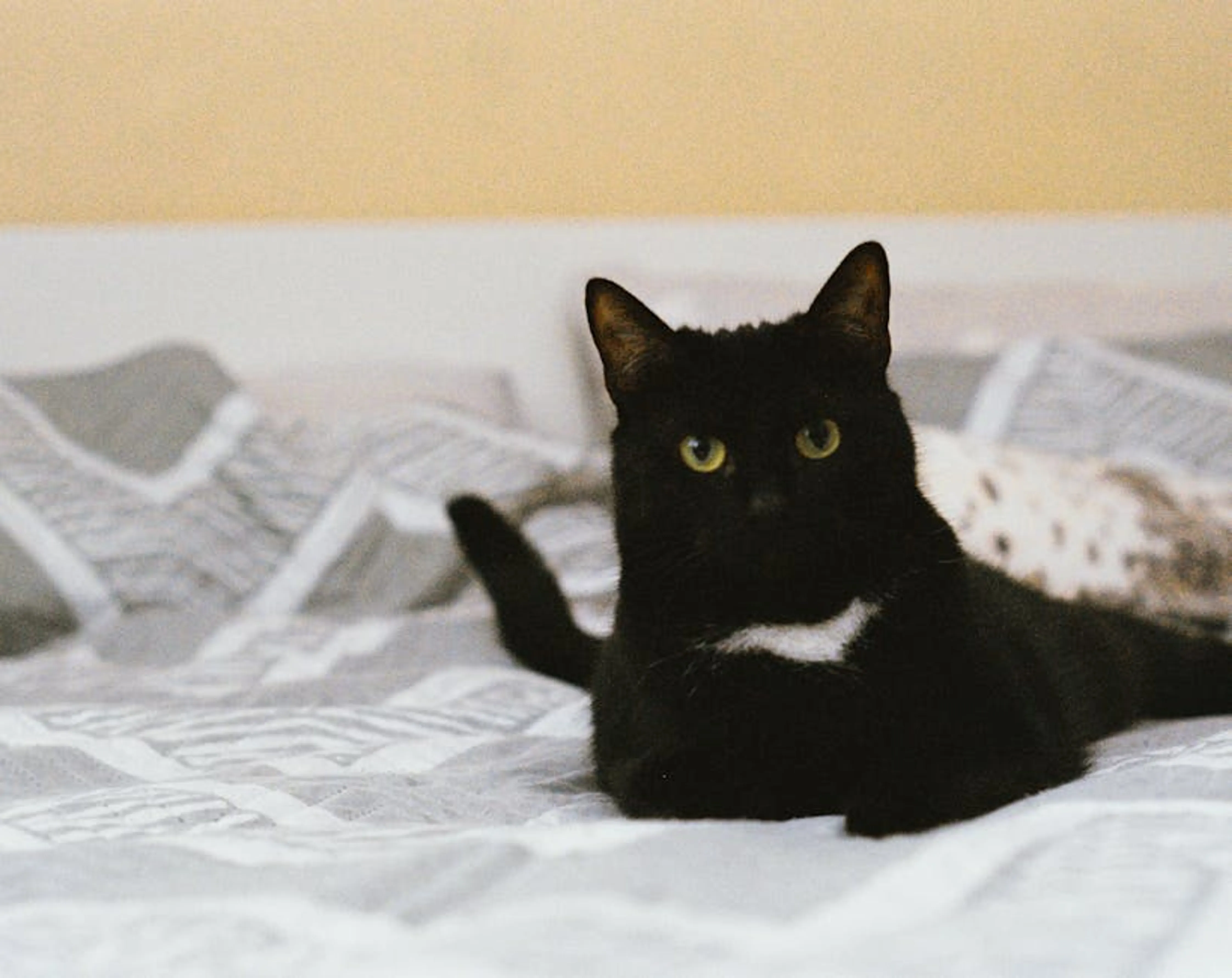
Among the many subtle ways cats communicate, the slow blink stands out as one of the most heartwarming and significant. It is often referred to as your cat's equivalent of an "I love you."
The Meaning of the Slow Blink
When a cat performs a slow blink – slowly closing and then opening their eyes – they are signaling trust, relaxation, and affection. In the feline world, direct, unbroken eye contact can be perceived as a challenge or a threat. By slowly blinking, a cat demonstrates that they feel secure enough to temporarily lower their guard, indicating that they perceive no danger from you and, in fact, feel comfortable and at peace in your presence. It is a profound gesture of goodwill and a clear sign of a strong, positive relationship.
How to Initiate a Slow Blink
You can initiate a slow blink with your cat to communicate your affection and build rapport. Find a moment when your cat is relaxed and looking at you. Slowly close your eyes for a second or two, then slowly open them. Repeat this a few times. Avoid staring intensely; the key is a relaxed, gentle gaze. Many cats will reciprocate with their own slow blink, confirming their comfort and affection for you.
Actionable Advice: How to Build a Stronger Bond with Your Cat Through Slow Blinking
Incorporate slow blinking into your daily interactions with your cat. Use it when you greet them, when they are resting near you, or during quiet moments of connection. This simple gesture can significantly strengthen your bond by reinforcing trust and mutual affection. It is a non-verbal way to tell your cat, "I trust you, and I feel safe with you," which is a cornerstone of any healthy relationship. Observing your cat's response will also help you gauge their comfort level and deepen your understanding of their emotional state.
Secret 5: Understanding Cat Body Language Beyond the Tail
While the tail is a prominent indicator, a cat's entire body works in concert to communicate. Paying attention to their ears, eyes, and vocalizations provides a holistic view of their emotional landscape.
Ear Positions: Alert, Relaxed, Annoyed – What Do They Mean?
Forward and Upright: Indicates alertness, interest, and positive attention. Your cat is engaged with what is in front of them.
Relaxed and Slightly Sideways: A calm, content cat will have ears that are slightly turned to the sides, often referred to as 'airplane ears' or 'resting ears'.
Swiveling: Ears constantly turning and twitching indicate your cat is actively listening and processing sounds from various directions, often a sign of curiosity or caution.
Flattened Back (Airplane Ears): This is a clear sign of fear, aggression, or irritation. Your cat feels threatened and is trying to protect their ears from harm. This often precedes a hiss or an attack.
Eye Dilations: Pupil Size as an Indicator of Mood
Dilated Pupils (Large and Round): Can signify fear, excitement, aggression, or a playful mood. Context is key here. If your cat is playing, it is excitement. If they are hunched and hiding, it is fear.
Constricted Pupils (Slit-like): Often indicates aggression, anger, or intense focus. Your cat may be feeling confident and ready to confront something, or they are very focused on a target.
Normal Slits: In a well-lit environment, normal pupils suggest a relaxed and calm state.
Vocalizations: Different Meows and Their Significance
Short Meow: A standard greeting or acknowledgement.
Multiple Meows: An enthusiastic greeting, often indicating happiness to see you.
Long, Drawn-Out Meow: A demand or complaint, often for food, attention, or a desire to go outside.
Chirp or Trill: A friendly greeting, often used by mother cats to call their kittens. It is an invitation to follow or interact.
Hiss or Growl: Clear warnings of fear, aggression, or defensiveness. Your cat feels threatened and wants to be left alone.
Actionable Advice: A Quick Reference Guide to Common Cat Body Language Cues
Always observe your cat's entire body, not just one part. A low tail with flattened ears and dilated pupils points to fear. A high tail with forward ears and a purr suggests happiness. Learn to read these combinations to gain a comprehensive understanding of your cat's emotional state, allowing you to respond with empathy and appropriate care. Providing a safe, predictable environment helps your cat feel secure, reducing behaviors stemming from fear or stress.
Comparison Table: Common Cat Behaviors and Their Meanings
This table summarizes key behaviors and their interpretations to help you quickly identify what your cat might be communicating.
BehaviorPossible MeaningsRecommended ResponseTail high, quivering tipHappy, excited, friendlyEngage, pet, play gentlyTail low, tuckedFear, submission, insecurityGive space, avoid sudden movementsRapid tail twitchingIrritation, focus, annoyanceObserve, give space if agitatedSlow blinkTrust, affection, relaxationReciprocate slow blink, gentle interactionPurring (relaxed body)Contentment, happinessContinue petting, enjoy the momentPurring (tense body, hiding)Stress, pain, self-soothingObserve for other symptoms, provide quiet space, consult vet if neededKneadingComfort, security, marking territoryProvide soft surface, trim claws, enjoy affectionEars forward, uprightAlert, interested, engagedInteract, play, talk to themEars flattened backFear, aggression, irritationGive space, avoid confrontationDilated pupilsFear, excitement, play, aggressionAssess context (e.g., playing vs. hiding)Hissing/GrowlingFear, aggression, warningBack off, remove threat if safe to do so
Key Takeaway: Context is paramount when interpreting cat behavior. Always consider the situation and your cat's overall body language for an accurate understanding.
Frequently Asked Questions (FAQ)
Q1: My cat is suddenly hiding more. What does this behavior mean and how can I help?
A cat suddenly hiding more frequently can indicate stress, fear, pain, or illness. Cats are masters at masking discomfort, and seeking solitude is a common coping mechanism. Evaluate recent changes in their environment, such as new pets, furniture, or routines, which could be causing stress. Check for any signs of injury or changes in appetite/litter box habits. To help, ensure your cat has multiple safe, quiet hiding spots (like high shelves or cozy beds). Maintain a consistent routine, provide plenty of fresh water and food, and avoid forcing interaction. If the hiding persists or is accompanied by other concerning symptoms, a veterinary check-up is strongly recommended to rule out medical issues.
Q2: My cat seems aggressive towards me. What are the common causes and how can I address it?
Aggression in cats is often rooted in fear, pain, territorial instincts, redirected aggression, or play aggression. It is rarely malicious. If your cat is aggressive, first ensure they are not in pain by consulting a vet. Observe when and how the aggression occurs. Is it when you try to pet them in a certain spot (pain)? Is it after they see another cat outside (redirected)? Are they attacking your feet during play (play aggression)? Address the underlying cause: provide safe spaces, enrich their environment with toys and scratching posts, use positive reinforcement, and avoid punishment. For play aggression, use wand toys to direct their predatory instincts away from your hands and feet. If the aggression is severe or persistent, seek guidance from a professional feline behaviorist.
Q3: How can I tell if my cat is in pain or feeling unwell based on its behavior?
Cats are stoic and often hide signs of pain or illness until a condition is advanced. Subtle behavioral changes are key indicators. Look for changes in appetite or thirst, altered litter box habits (e.g., urinating outside the box, straining), decreased grooming or over-grooming a specific area, lethargy, hiding more than usual, changes in vocalization (more meowing, less purring, or unusual sounds), aggression when touched, difficulty jumping, or a hunched posture. Any deviation from your cat's normal behavior warrants attention. If you notice a combination of these signs or a significant change, it is crucial to schedule an appointment with your veterinarian for a thorough examination.
Conclusion
By delving into these five cat behavior secrets – decoding the tail, understanding purrs, unraveling kneading, mastering the slow blink, and interpreting broader body language – you now possess invaluable tools to better understand your feline companion. This knowledge is not just about curiosity; it is about building a stronger, more trusting, and harmonious relationship.
Applying these insights will allow you to anticipate your cat's needs, respond with empathy, and create an environment where they feel safe, loved, and understood. You can transform potential misunderstandings into moments of connection, deepening the unique bond you share. Empower yourself to become an even more attentive and compassionate cat guardian, fostering a truly special connection with your extraordinary pet.
Content is for information only; Author/Site is not liable for decisions made; Reader is responsible for their own actions.
------end of article------